

Sunday 30 March 2025
The Industrial Internet of Things, or IIoT, is a burgeoning field that combines the reliability and efficiency of industrial control systems with the flexibility and scalability of the internet. As more and more devices are connected to the network, however, security becomes an increasingly pressing concern.
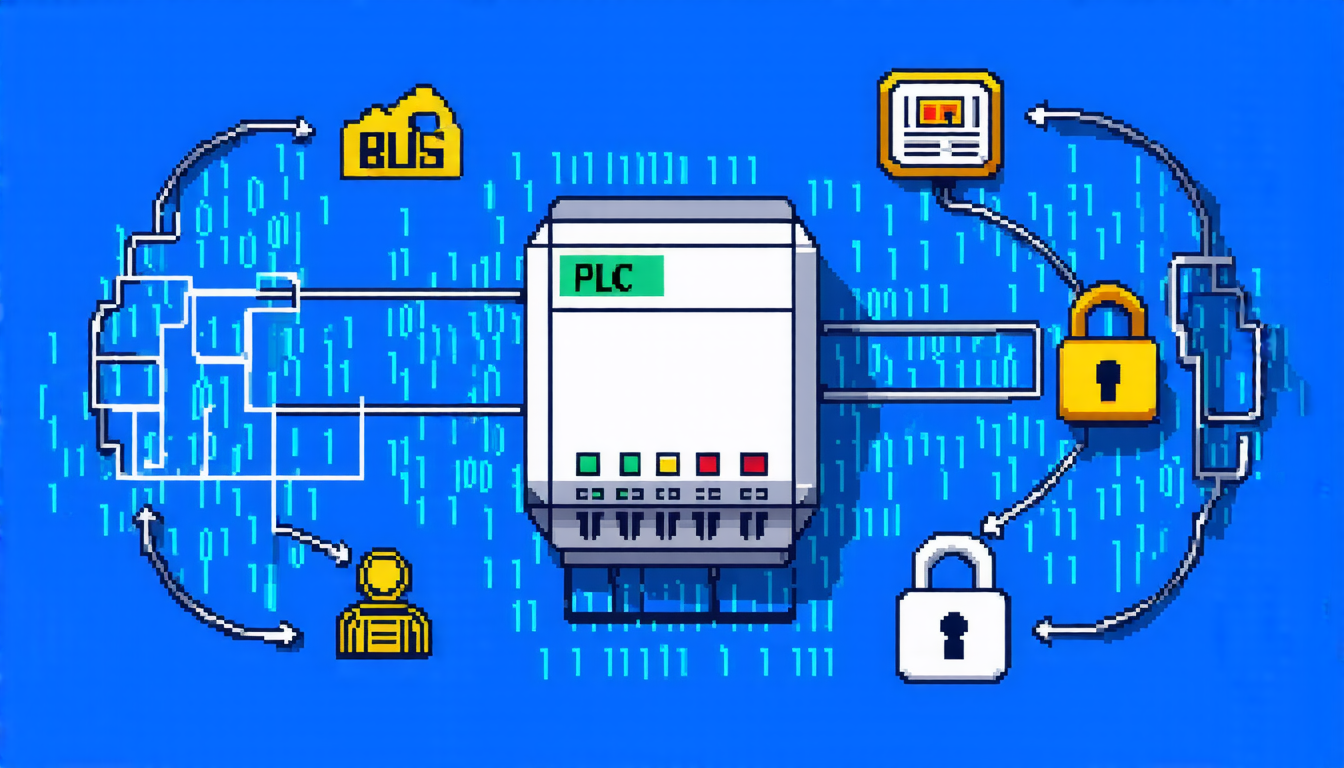
A new study published in IEEE Transactions on Industrial Informatics has shed light on a particular challenge facing IIoT security: the analysis of Programmable Logic Controllers, or PLCs. These devices are responsible for controlling and monitoring industrial processes, but they can be notoriously difficult to analyze due to their proprietary nature and complex binary code.
The researchers behind the study developed a novel approach to analyzing PLC binaries using a combination of convolutional neural networks (CNNs) and transformer models. By leveraging these advanced machine learning techniques, they were able to identify patterns in the binary code that could indicate the origin of the compiler used to create it, as well as the intended functionality of the program.
The study’s findings have significant implications for IIoT security. By analyzing PLC binaries, security researchers and analysts can gain valuable insights into the potential vulnerabilities and threats facing industrial control systems. This information can be used to identify and remediate security issues before they become major problems.
One of the most interesting aspects of this research is its potential applications in forensics. Imagine being able to analyze a compromised PLC binary and determining not only where it came from, but also what kind of attack was launched against it. This level of visibility can be a game-changer for incident responders, allowing them to quickly identify the source of an attack and take targeted action to mitigate its effects.
The study’s authors also highlight the potential for their approach to be used in real-time monitoring of industrial control systems. By continuously analyzing PLC binaries as they are transmitted over the network, security teams can detect anomalous behavior and respond quickly to potential threats before they cause damage.
Of course, there are still significant challenges facing IIoT security researchers. The proprietary nature of many PLCs means that access to their source code is limited, making it difficult to develop targeted solutions. Additionally, the complexity of industrial control systems can make it challenging to identify and isolate vulnerabilities.
Despite these challenges, the study’s findings offer a promising glimpse into the future of IIoT security. By leveraging advanced machine learning techniques and innovative approaches to binary analysis, researchers may be able to stay one step ahead of attackers and keep industrial control systems safe from harm.
Cite this article: “Analyzing Programmable Logic Controllers with Machine Learning for Improved IIoT Security”, The Science Archive, 2025.
Industrial Internet Of Things, Iiot, Programmable Logic Controllers, Plcs, Binary Analysis, Machine Learning, Convolutional Neural Networks, Transformer Models, Industrial Control Systems, Security Forensics





