

Sunday 30 March 2025
Researchers have long struggled to develop control systems that can effectively manage complex networks of interconnected components, a challenge that’s particularly pressing in fields like robotics and artificial intelligence. A new paper published this week offers a promising solution by leveraging machine learning techniques to create data-driven controllers that can stabilize even the most chaotic of systems.
The problem with traditional control systems is that they often rely on perfect knowledge of the system being controlled – a luxury that’s rarely available in real-world scenarios. In contrast, machine learning algorithms can adapt to changing conditions and learn from experience, making them ideal for applications where uncertainty is inherent.
The researchers behind this paper developed a novel approach that combines the strengths of both traditional control theory and machine learning. By using data collected from sensors and other sources, they were able to train neural networks to recognize patterns in system behavior and make predictions about future states. These predictions are then used to adjust the controller’s output, ensuring that the system remains stable even in the face of uncertainty.
The beauty of this approach is its flexibility – the same controller can be applied to a wide range of systems, from simple mechanical devices to complex biological networks. This means that researchers and engineers no longer need to develop customized control algorithms for each specific application; instead, they can rely on a single, adaptable system that can learn to control even the most unpredictable of dynamics.
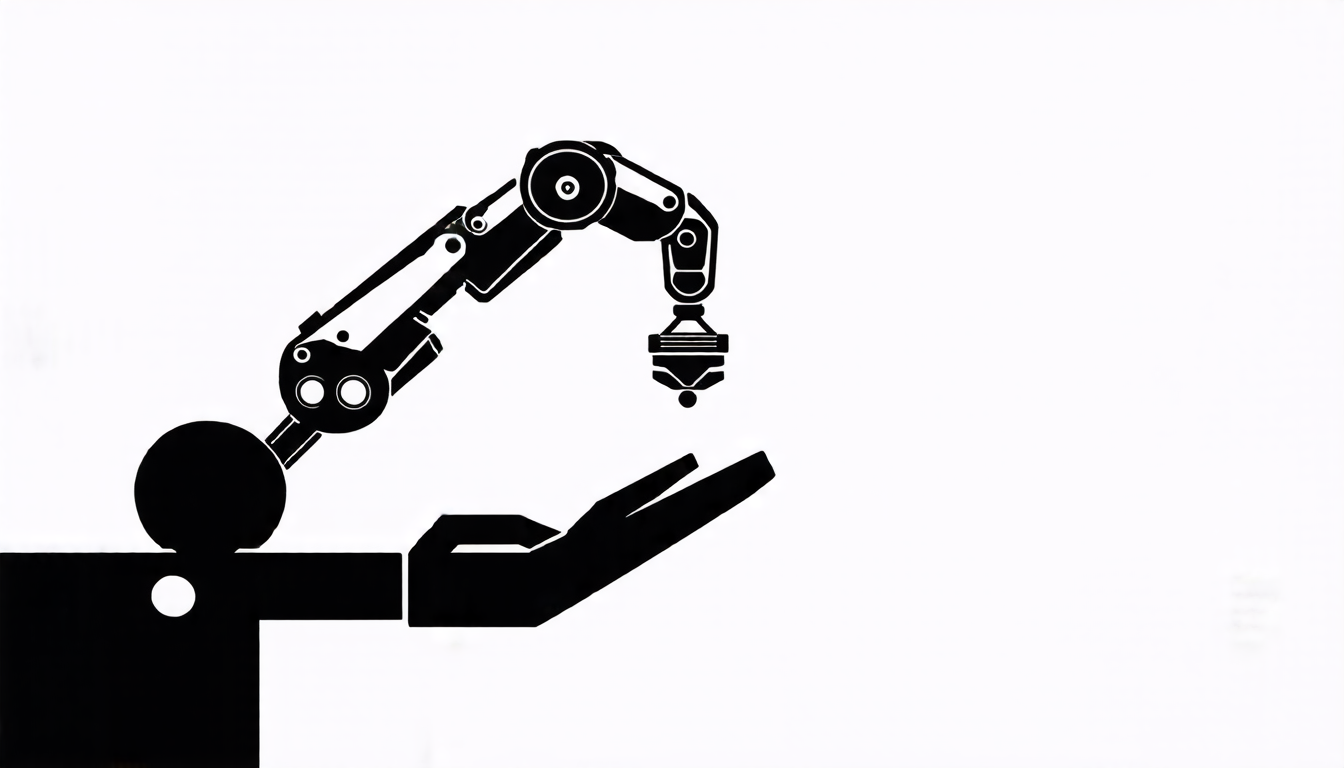
The potential applications of this technology are vast and varied. In robotics, for example, data-driven controllers could enable robots to adapt more easily to changing environments and improve their overall performance. In artificial intelligence, they could help systems like autonomous vehicles or smart homes make more informed decisions in real-time.
Of course, there are still many challenges to overcome before this technology can be widely adopted. For one thing, the quality of the data used to train the neural networks is critical – if the data is noisy or incomplete, the controller will not perform well. Additionally, the complexity of the system being controlled can also impact performance, making it more difficult for the algorithm to make accurate predictions.
Despite these challenges, the researchers behind this paper are optimistic about the potential of their technology. By combining the strengths of traditional control theory and machine learning, they believe that they have created a powerful new tool for managing complex systems – one that could have far-reaching implications for fields like robotics, artificial intelligence, and beyond.
Cite this article: “Machine Learning Controllers: A New Frontier in Complex System Management”, The Science Archive, 2025.
Control Systems, Machine Learning, Neural Networks, Data-Driven Controllers, Uncertainty, Robotics, Artificial Intelligence, Complex Systems, Stability, Predictive Modeling





