

Monday 31 March 2025
As the world of artificial intelligence and machine learning continues to evolve, researchers are working tirelessly to optimize its performance on massive computing systems. A recent study has shed light on a crucial aspect of this process: how intra-node communication affects overall system performance.
For those unfamiliar, intra-node communication refers to the exchange of data between different components within a single node – think GPUs, CPUs, and memory modules in a high-performance computer. It’s a vital aspect of processing complex tasks like neural networks and language models, which require massive amounts of data to be moved around quickly.
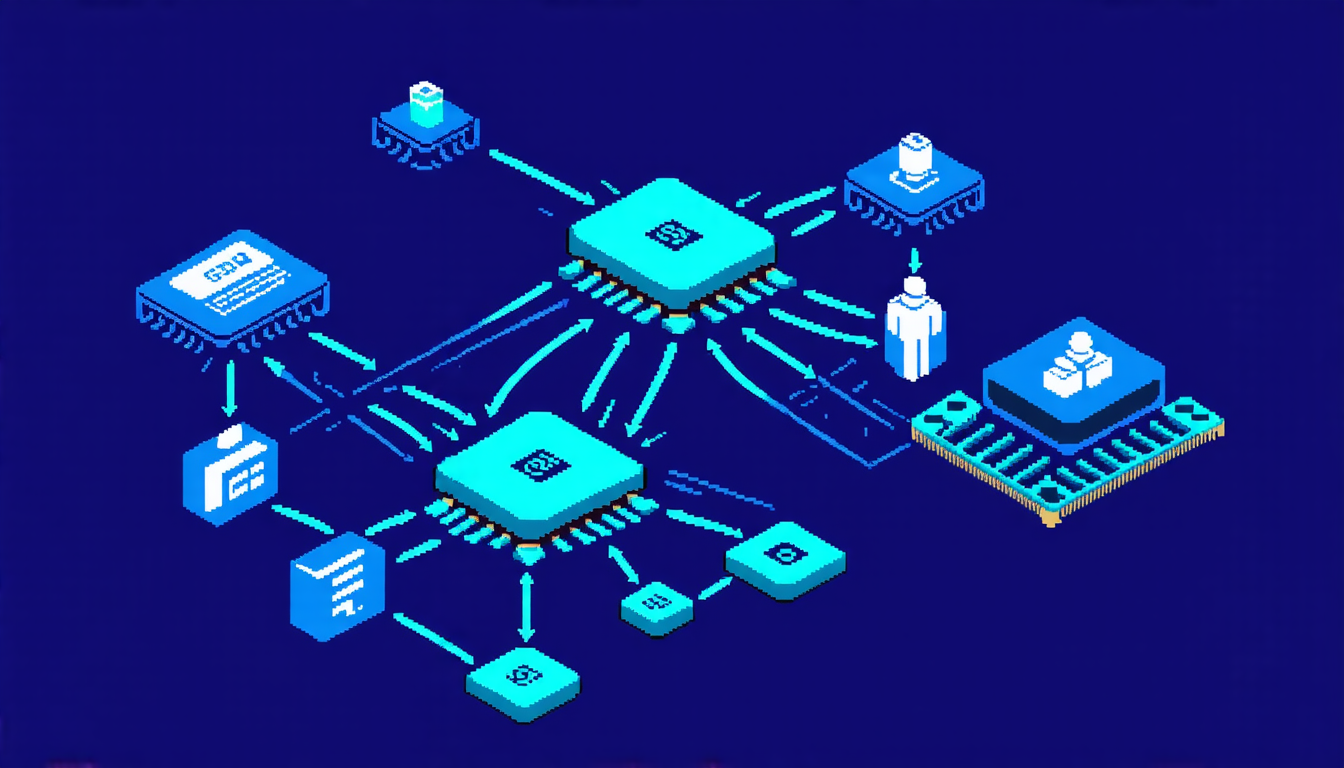
The researchers behind this study used a sophisticated simulation model to investigate how intra-node traffic impacts inter-node communication. They created a realistic replica of a large-scale computing system, complete with various network configurations and traffic patterns. By analyzing the simulations, they were able to identify a surprising bottleneck: the interface between the intra-node network and the node’s external interfaces.
It turns out that as more data is sent within a node, it can create congestion at this critical juncture. This, in turn, slows down the transfer of data between nodes – a major problem for systems that rely on fast communication to perform tasks efficiently. The researchers found that increasing intra-node bandwidth doesn’t always solve the issue, as more traffic can actually exacerbate the bottleneck.
The study’s findings have significant implications for the design of large-scale computing systems. It suggests that architects should prioritize optimizing intra-node communication, rather than solely focusing on inter-node connectivity. By doing so, they can create more efficient and scalable systems that can handle increasingly complex workloads.
One potential solution is to adopt specialized networking technologies designed specifically for high-performance computing. These networks are optimized for low latency and high bandwidth, allowing data to be transferred quickly and efficiently between nodes. However, even with these advanced networks, intra-node communication remains a critical factor in determining overall system performance.
The researchers’ work highlights the importance of considering both intra- and inter-node communication when designing large-scale computing systems. By taking a holistic approach that addresses both aspects, developers can create more efficient and scalable systems that can tackle the most complex AI and machine learning tasks.
As the demand for high-performance computing continues to grow, it’s essential to prioritize research into optimizing system design and architecture. The findings from this study offer valuable insights into how to achieve this goal, and will likely influence the development of future computing systems.
Cite this article: “Intra-Node Communication: A Critical Bottleneck in High-Performance Computing”, The Science Archive, 2025.
Artificial Intelligence, Machine Learning, Intra-Node Communication, High-Performance Computing, Large-Scale Computing Systems, Neural Networks, Language Models, Data Transfer, System Design, Architecture





