

Saturday 05 April 2025
The art of diagnosing cancer has long been a painstaking and labor-intensive process, requiring pathologists to spend hours poring over slides of tissue samples under the microscope. But what if there was a way to speed up this process while also improving accuracy? Enter machine learning, which has been increasingly used in recent years to analyze medical images and make diagnoses.
One particular application of machine learning is known as explainable AI, or XAI for short. The idea behind XAI is simple: instead of relying solely on complex algorithms to make diagnoses, these systems use visualizations and other tools to provide a clear and transparent explanation of how they arrived at their conclusions. This can be especially important in the field of cancer diagnosis, where accuracy is paramount.
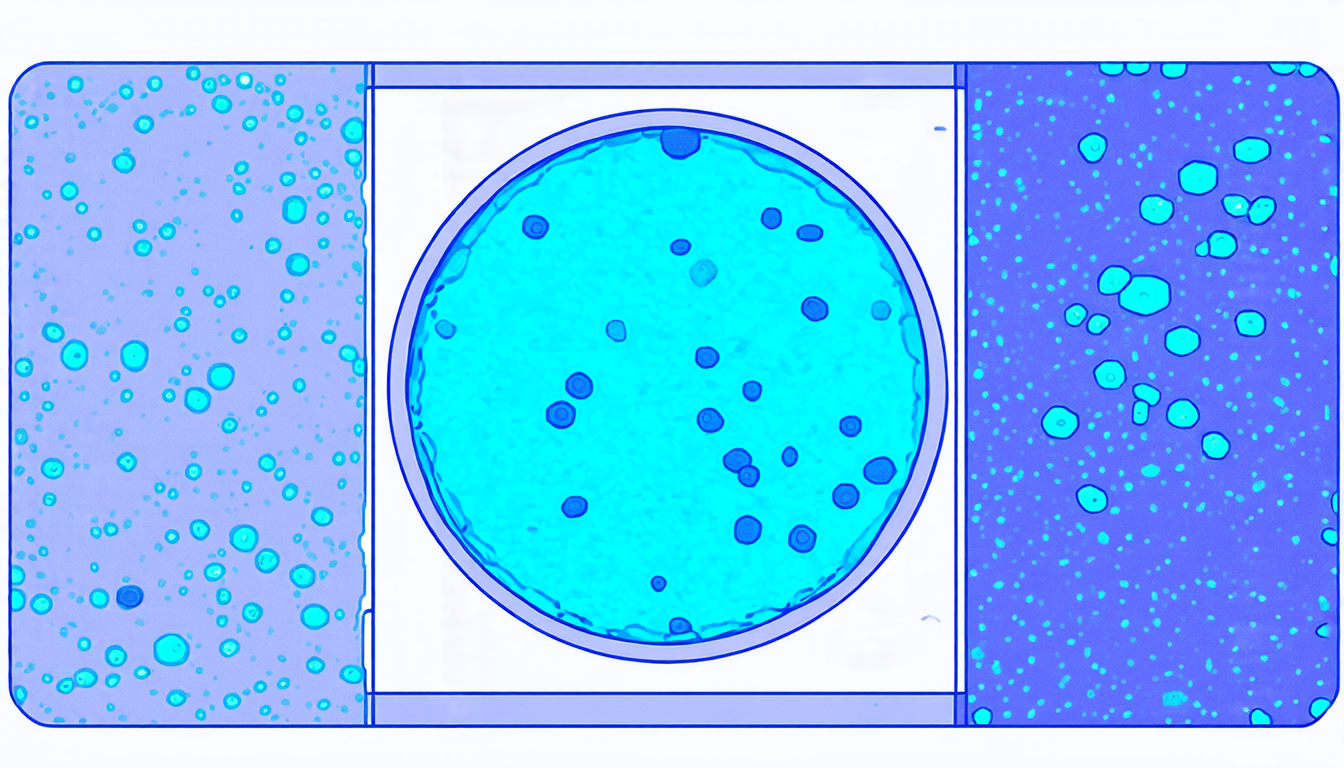
A team of researchers has now developed an explainable AI system specifically designed for diagnosing lymphoma, a type of blood cancer. The system uses a combination of computer vision and graph neural networks to analyze whole-slide images of tissue samples and identify patterns that are indicative of different subtypes of lymphoma.
One key feature of this system is its ability to provide detailed explanations of how it arrives at its diagnoses. This can be especially useful for pathologists, who may want to understand the reasoning behind a particular diagnosis or dispute a diagnosis made by the AI system.
The researchers tested their system on a dataset of over 1,200 whole-slide images of lymphoma tissue samples and found that it was able to achieve high levels of accuracy in diagnosing different subtypes of the disease. They also compared their system to several other state-of-the-art approaches and found that it outperformed them all.
The implications of this technology are significant. Not only could it potentially speed up the diagnosis process, but it could also improve accuracy and reduce the need for additional testing or biopsies. This could be especially important in situations where timely and accurate diagnoses are crucial, such as in emergency rooms or when treating patients with advanced cancer.
The researchers plan to continue refining their system and exploring its potential applications in other areas of medicine. As machine learning continues to evolve and improve, it’s likely that we’ll see even more innovative applications of AI in healthcare in the years to come.
Cite this article: “Unlocking the Secrets of Malignant Lymphoma Subtyping with Explainable Graph Neural Networks”, The Science Archive, 2025.
Machine Learning, Cancer Diagnosis, Explainable Ai, Xai, Lymphoma, Computer Vision, Graph Neural Networks, Whole-Slide Images, Pathology, Healthcare





