

Saturday 05 April 2025
Recent advancements in large language models have been met with excitement and skepticism alike. These complex systems, capable of processing vast amounts of information, have sparked debates about their potential impact on various aspects of society.
One area where large language models are being put to the test is cultural competency. The ability of these systems to understand and respond to cultural nuances has become increasingly important as they begin to interact with humans in more diverse settings. In a recent paper, researchers introduced a benchmark designed to assess the linguistic and cultural competency of large language models.
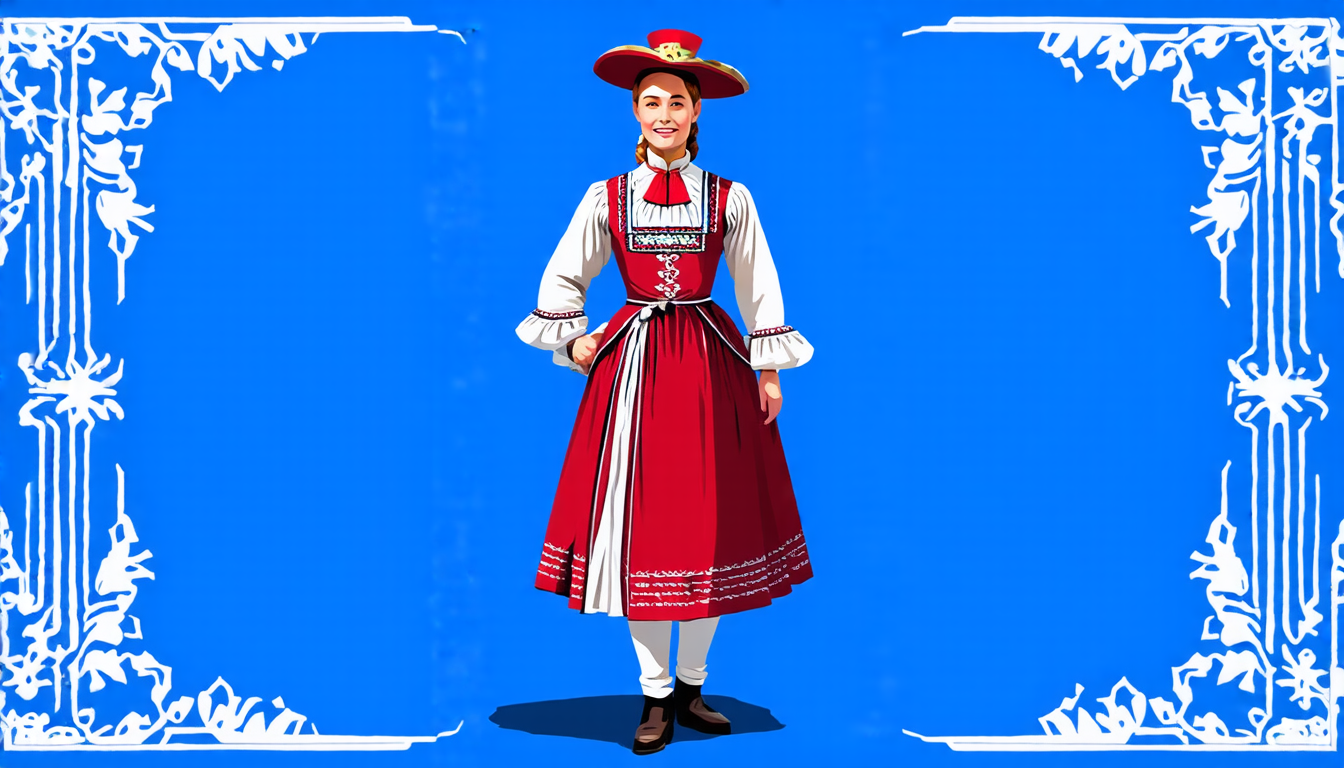
The Polish linguistic and cultural competency benchmark is a comprehensive evaluation system that tests the ability of language models to answer questions about Polish culture, history, and everyday life. The benchmark consists of six categories: history, geography, culture and tradition, art and entertainment, grammar, and vocabulary. Each category includes a set of carefully crafted questions that are designed to challenge the models’ understanding of various aspects of Polish culture.
The researchers used this benchmark to evaluate over 30 commercial and open-source language models, ranging from small models with just a few billion parameters to massive ones with hundreds of billions of parameters. The results were striking: even the smallest models struggled to answer questions correctly, while the largest models performed significantly better.
The study also explored the effect of training models on Polish data. One model, Bielik-2.3, was trained solely on Polish text and achieved impressive results, answering over 80% of the questions correctly. This highlights the importance of domain-specific training for language models, particularly when it comes to cultural competency.
Another interesting finding was that smaller models tend to perform better on earlier versions of themselves, while larger models show more consistent performance across different versions. This suggests that smaller models may be more prone to overfitting, where they become too specialized in their training data and struggle with new or unseen information.
The implications of this study are far-reaching. As language models continue to play a larger role in our daily lives, it’s essential that we develop systems that can understand and respond to cultural nuances. The Polish linguistic and cultural competency benchmark provides a valuable tool for evaluating the performance of these systems and identifying areas where they need improvement.
The research also highlights the importance of domain-specific training for language models. By focusing on specific domains or cultures, developers can create models that are better equipped to handle the complexities of human communication.
Cite this article: “Polish Linguistic and Cultural Competency in Large Language Models: A Benchmarking Study”, The Science Archive, 2025.
Language Models, Cultural Competency, Polish Culture, Linguistic Benchmark, Language Processing, Machine Learning, Natural Language Processing, Domain-Specific Training, Overfitting, Artificial Intelligence





