

Saturday 05 April 2025
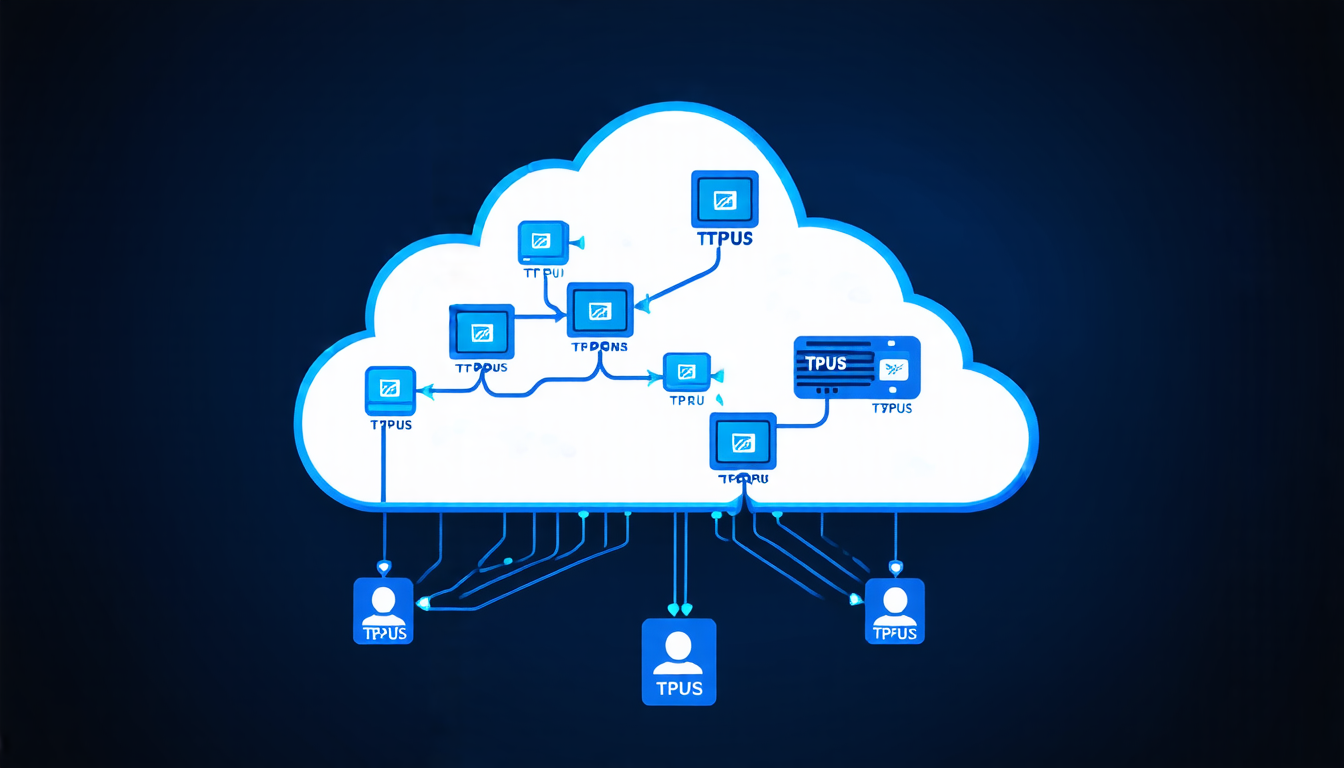
The quest for faster, more efficient deep learning inference has led researchers to explore innovative approaches to leveraging multiple processing units (TPUs) in edge computing systems. A recent paper delves into the world of Edge TPUs, examining the limitations of existing compiler-based segmentation strategies and proposing a novel profile- based balanced segmentation scheme.
As Edge AI applications continue to proliferate, the need for efficient deep learning inference on resource-constrained devices has become increasingly pressing. Current solutions often rely on compiler-based pipelining, which can lead to suboptimal performance due to limited memory resources and inter-device communication bottlenecks. The authors of this study recognized the imperative to develop more effective segmentation strategies, enabling multiple TPUs to work in harmony and maximize inference speed.
The research team employed a profile- based approach to segment large convolutional neural networks (CNNs), taking into account the unique characteristics of each model. By analyzing the computational requirements and memory usage of individual layers, they crafted a balanced partitioning scheme that minimized inter-device communication and optimized processing efficiency. This novel strategy not only reduced memory transfer latency but also improved workload balance across TPUs.
To evaluate the efficacy of their approach, the researchers conducted extensive experiments on various state-of-the-art CNN models. The results were striking: their profile-based segmentation method demonstrated significant performance gains compared to traditional compiler-based solutions. In fact, the new scheme achieved speedups of up to 2.60 times when processing complex models, far outpacing the original pipelining approach.
The findings have important implications for Edge AI applications, where rapid inference is critical for real-time decision-making and responsiveness. By leveraging multiple TPUs in a more intelligent and adaptive manner, developers can unlock the full potential of these devices and accelerate the deployment of edge-based solutions. As we continue to push the boundaries of deep learning and its applications, innovative segmentation strategies like this one will play a vital role in driving performance improvements and reducing latency.
In the pursuit of faster and more efficient Edge AI, researchers have made significant strides in recent years. This study represents an important milestone in that journey, as it provides a fresh perspective on optimizing TPU-based inference for edge computing systems. As we move forward, it will be exciting to see how this work inspires future breakthroughs in the field of Edge AI and deep learning.
Cite this article: “Accelerating Deep Learning on Edge TPUs: A Profile-Based Balanced Segmentation Approach”, The Science Archive, 2025.
Edge Tpus, Deep Learning Inference, Compiler-Based Segmentation, Profile-Based Segmentation, Edge Ai, Convolutional Neural Networks, Inter-Device Communication, Processing Efficiency, Memory Transfer Latency, Workload Balance





