

Saturday 05 April 2025
Scientists have long been fascinated by the intricate dance of atoms and molecules that make up our world. From the complex structures of proteins to the delicate balance of chemical reactions, understanding these interactions is crucial for advancing fields like medicine, materials science, and environmental conservation.
Recently, researchers have made significant strides in developing artificial intelligence models capable of simulating these interactions with unprecedented accuracy. One such model, known as Edge Transformer (ET), has been gaining attention for its potential to revolutionize the way we study molecular dynamics.
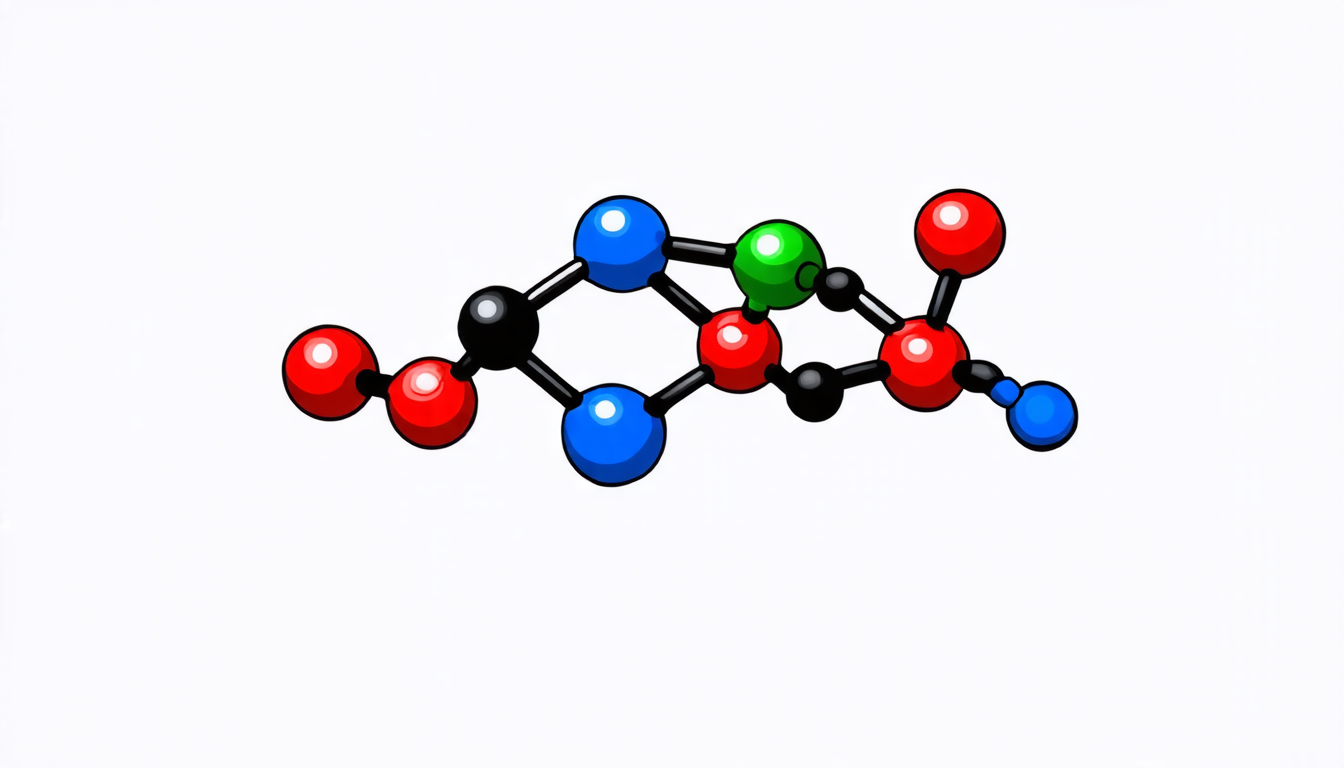
At its core, ET is a type of neural network designed specifically for processing three-dimensional data like molecules. Unlike traditional AI models, which rely on flat representations of data, ET uses a novel architecture that takes into account the complex relationships between atoms and their surroundings.
To train ET, researchers used a massive dataset of molecular structures, carefully curated from various sources to ensure its accuracy. The model was then fine-tuned through a process called transfer learning, where it learned to adapt its skills to specific tasks like predicting forces between atoms or simulating chemical reactions.
The results are nothing short of impressive. In simulations, ET demonstrated remarkable accuracy in replicating the behavior of molecules, even when subjected to complex conditions like high temperatures and pressures. This has far-reaching implications for fields like materials science, where understanding the properties of materials under different conditions is crucial for developing new technologies.
But what’s truly exciting about ET is its potential to accelerate scientific discovery. By enabling researchers to simulate molecular interactions with unprecedented accuracy, ET could revolutionize the way we approach complex problems in fields like medicine and environmental conservation.
For instance, scientists could use ET to study the behavior of proteins involved in diseases like Alzheimer’s or Parkinson’s, gaining valuable insights into how these proteins interact with each other and their environments. Similarly, researchers could use ET to simulate chemical reactions that occur in the atmosphere, helping them better understand the impact of climate change on our planet.
As AI technology continues to advance, it will be exciting to see how models like ET are applied to tackle some of humanity’s most pressing challenges. Whether it’s developing new medicines, creating sustainable materials, or understanding the intricate web of life on Earth, the potential for AI-powered simulations is vast and exciting.
Cite this article: “Breaking the Mold: A Novel Transformer-Based Approach to Molecular Dynamics Simulations”, The Science Archive, 2025.
Artificial Intelligence, Molecular Dynamics, Neural Networks, Three-Dimensional Data, Edge Transformer, Transfer Learning, Materials Science, Medicine, Environmental Conservation, Simulation Models.





