
Saturday 05 April 2025
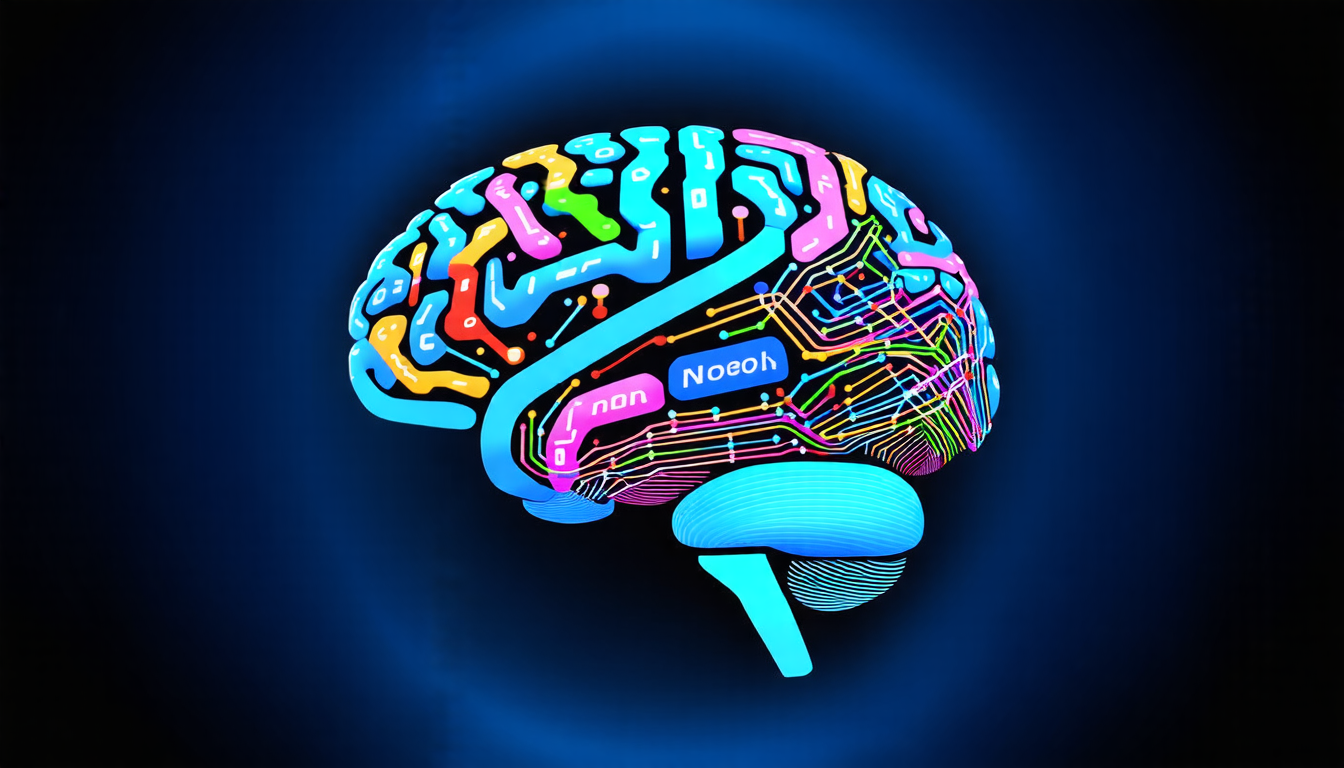
Scientists have developed a new statistical test that can help researchers better understand complex brain networks and identify subtle changes in cognitive function. The test, called Fréchet analysis of variance, is designed to analyze data collected from functional magnetic resonance imaging (fMRI) scans, which are commonly used to map brain activity.
Previous methods for analyzing fMRI data have been limited by their inability to account for the unique characteristics of these complex networks. For example, traditional statistical tests assume that data follows a normal distribution, but fMRI data often exhibits non-normal patterns. The new test addresses this limitation by using a more flexible and robust approach that can handle non-normal data.
The researchers used the Fréchet analysis of variance to analyze data from 100 participants who underwent fMRI scans while performing various cognitive tasks. They found that the test was able to accurately identify changes in brain activity between different conditions, such as when participants were asked to perform a memory task versus a attention task.
One of the key advantages of this new test is its ability to account for individual differences in brain function. Unlike traditional tests, which assume that all individuals have similar cognitive abilities, the Fréchet analysis of variance takes into account the unique patterns of brain activity exhibited by each person.
This could have important implications for research on neurological and psychiatric disorders, where individual differences in brain function can play a critical role in disease development and progression. For example, researchers studying Alzheimer’s disease may be able to use this test to identify specific patterns of brain activity that are associated with the early stages of the disease.
The Fréchet analysis of variance is also more computationally efficient than traditional tests, which makes it possible to analyze large datasets quickly and accurately. This could be particularly useful for researchers who need to analyze data from multiple subjects or sessions.
Overall, this new statistical test has the potential to revolutionize our understanding of brain function and its role in neurological and psychiatric disorders. By providing a more accurate and flexible way to analyze fMRI data, it could lead to breakthroughs in diagnosis, treatment, and prevention of these conditions.
Cite this article: “Unraveling Brain Activity Patterns: A Novel Statistical Approach to Analyze Functional Connectivity in Resting-State FMRI Data”, The Science Archive, 2025.
Here Are The 10 Keywords: Fmri, Brain Networks, Cognitive Function, Statistical Test, Fréchet Analysis Of Variance, Non-Normal Data, Individual Differences, Neurological Disorders, Psychiatric Disorders, Computational Efficiency.