
Saturday 05 April 2025
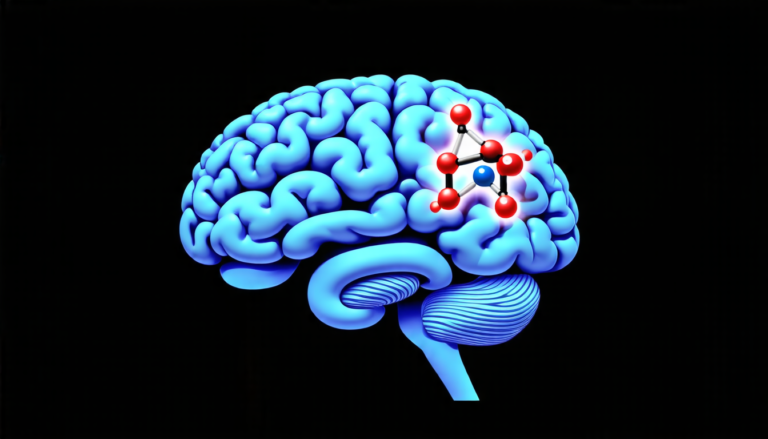
For decades, scientists have been fascinated by the claustrum, a thin layer of tissue deep within the brain that plays a crucial role in our ability to process sensory information and coordinate movement. Despite its importance, the claustrum has remained somewhat of an enigma, with many questions still surrounding its function and structure.
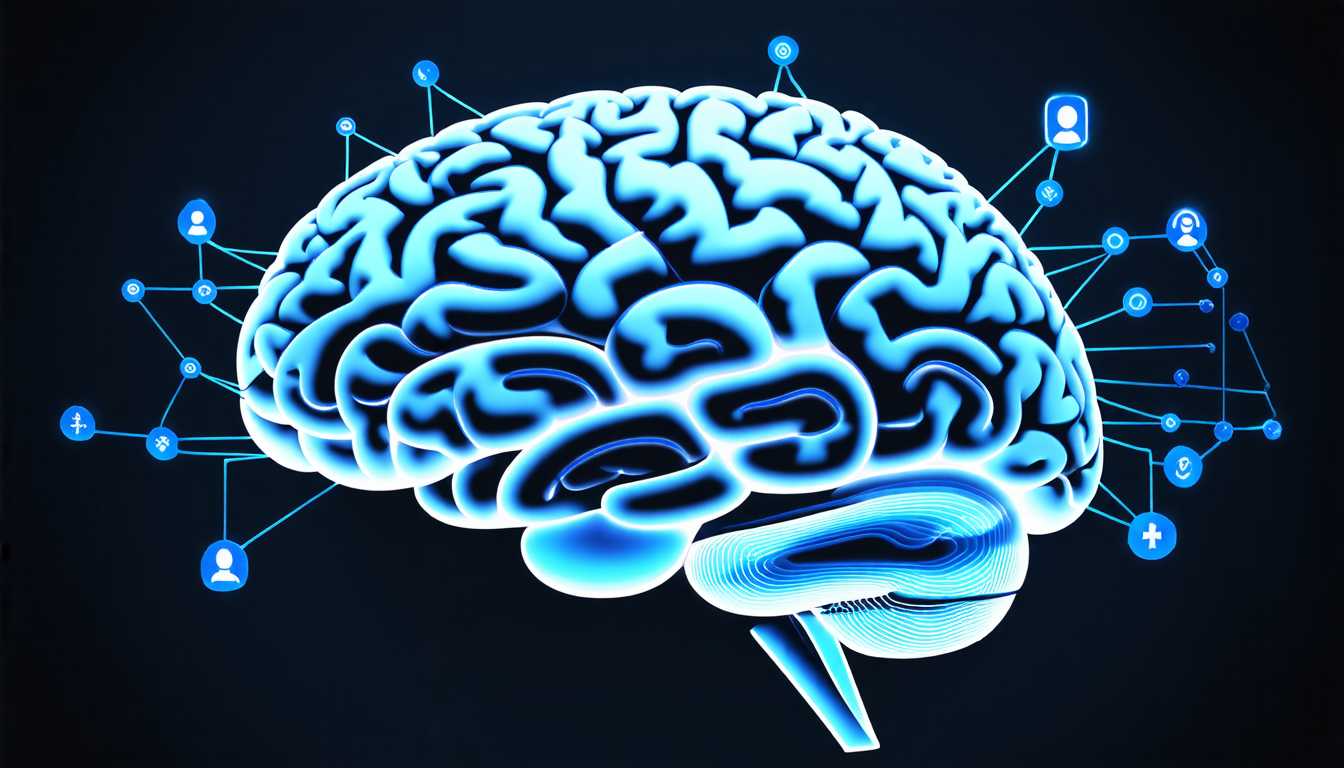
Recent studies have shed new light on this mysterious region, revealing a complex network of connections between the claustrum and other areas of the brain. Using advanced imaging techniques, researchers were able to map out the intricate pathways that crisscross the claustrum, providing a detailed picture of how it interacts with other brain regions.
One of the most significant findings was the discovery of a direct connection between the claustrum and the visual cortex. This connection suggests that the claustrum plays a key role in processing visual information, potentially helping us to better understand and interpret what we see. The researchers also found connections between the claustrum and other sensory regions, including the auditory cortex and the somatosensory cortex, which are responsible for processing sounds and sensations from our body.
The claustrum’s connections with these regions may help to explain its role in coordinating movement and behavior. For example, the claustrum has been linked to the development of Parkinson’s disease, a neurodegenerative disorder that affects movement and balance. The researchers suggest that damage to the claustrum may contribute to the symptoms of this disease, such as tremors and rigidity.
In addition to its role in sensory processing and motor control, the claustrum has also been implicated in higher-level cognitive functions, such as attention and decision-making. The researchers found that the claustrum is connected to regions involved in these processes, including the prefrontal cortex and the parietal lobe.
The findings of this study have significant implications for our understanding of brain function and behavior. By revealing the intricate connections between the claustrum and other brain regions, researchers are one step closer to unlocking the secrets of the human brain. Further studies will be needed to fully understand the role of the claustrum in brain function, but these discoveries have already shed new light on this mysterious region.
The study’s findings also highlight the importance of continued research into the brain and its many mysteries.
Cite this article: “Unlocking the Mysterious Claustrum: A Comprehensive Review of its Anatomy, Function, and Clinical Significance”, The Science Archive, 2025.
Brain, Claustrum, Sensory Processing, Motor Control, Parkinson’S Disease, Visual Cortex, Auditory Cortex, Somatosensory Cortex, Cognitive Functions, Neuroscience