
Sunday 06 April 2025
Music has long been a powerful tool for improving motor function in people with Parkinson’s disease, but researchers have discovered that incorporating low-frequency rhythms into these music-based therapies could be particularly effective.
Parkinson’s is a neurological disorder characterized by tremors, rigidity, and difficulties with movement. While medication and other treatments can help manage symptoms, many patients struggle with maintaining their balance and coordination during daily activities. Music therapy has emerged as a promising approach to improving motor function in these individuals, with studies showing that synchronizing movements to music can enhance gait and reduce symptoms.
The key to this success lies in the way our brains process rhythm. When we hear a beat or melody, our brain’s motor system kicks into gear, encouraging us to move in time with the music. This phenomenon is thought to be mediated by the mirror neuron system, a network of brain regions that fire both when we observe someone else moving and when we perform the same action ourselves.
In a recent study, researchers used functional magnetic resonance imaging (fMRI) to investigate how different types of rhythms affect motor function in people with Parkinson’s. They found that low-frequency rhythms – typically characterized by strong bass beats and slow tempos – were particularly effective at engaging the mirror neuron system and promoting motor synchronization.
The team suggests that this is because low-frequency rhythms are more closely aligned with natural biomechanical processes, such as the sensation of foot-impact and body vibrations. When we hear these types of rhythms, our brain may interpret them as internal cues to move, much like how we naturally synchronize our movements to the rhythm of a marching band or a dance.
To test this hypothesis, the researchers developed an enhanced rhythmic auditory stimulation (RAS) protocol that incorporated low-frequency rhythms into music-based therapy sessions. Participants with Parkinson’s were asked to walk in time with the music, which was tailored to their individual tempo and gait patterns.
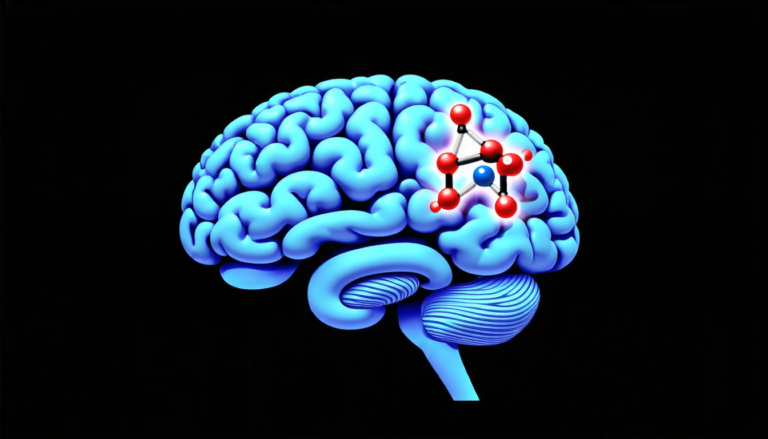
The results were impressive: participants showed significant improvements in gait synchronization and motor function after just a few weeks of treatment. Furthermore, the researchers found that brain regions involved in motor control, such as the dorsal premotor cortex and the inferior parietal lobule, were more active during low-frequency RAS sessions compared to traditional music therapy.
These findings have significant implications for the development of new treatments for Parkinson’s disease. By incorporating low-frequency rhythms into music-based therapies, clinicians may be able to enhance motor function and improve overall quality of life for patients with this debilitating condition.
Cite this article: “Beating Parkinsons: How Musics Rhythmic Power Can Improve Gait and Motor Function in Patients with PD”, The Science Archive, 2025.
Parkinson’S Disease, Music Therapy, Motor Function, Low-Frequency Rhythms, Mirror Neuron System, Functional Magnetic Resonance Imaging, Rhythmic Auditory Stimulation, Gait Synchronization, Dorsal Premotor Cortex, Inferior Parietal Lobule