

Sunday 06 April 2025
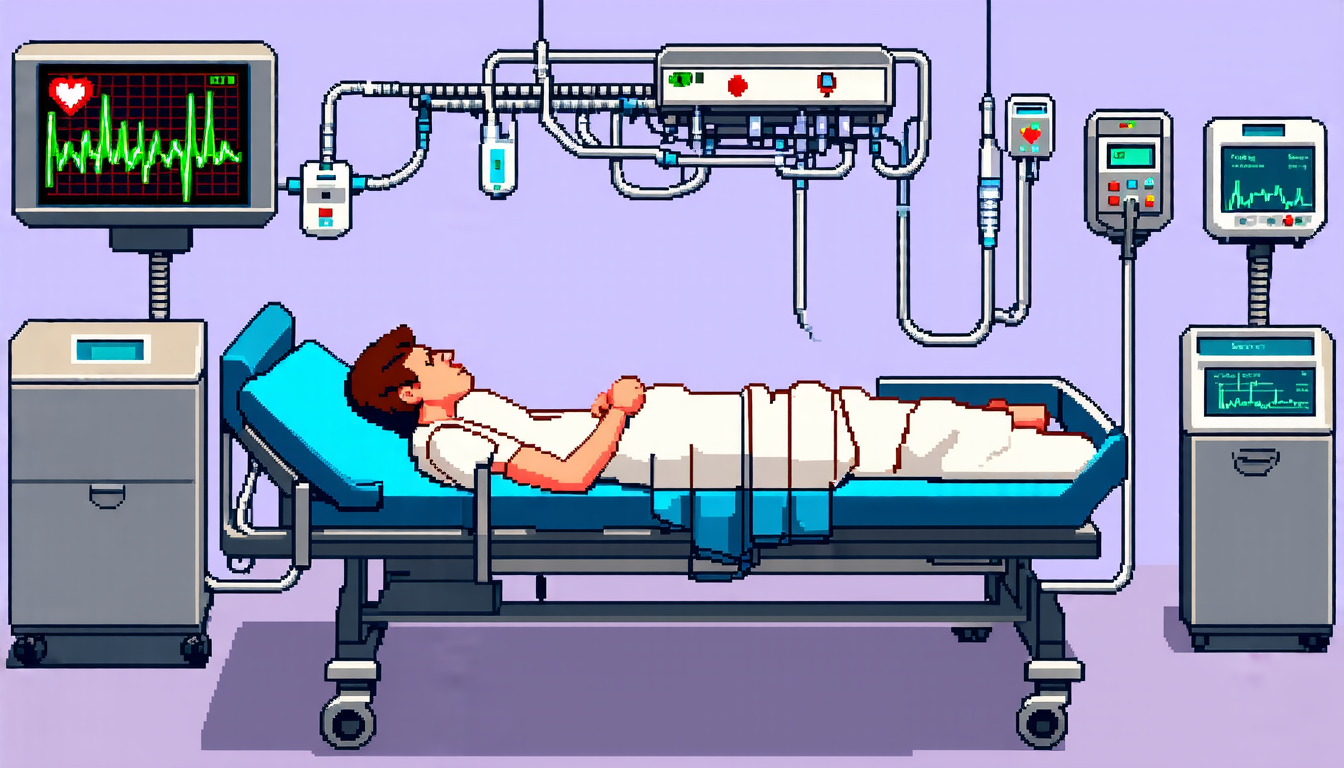
Deep learning models have been revolutionizing various fields, from medical diagnosis to natural language processing. Now, researchers have developed a new approach that combines machine learning and signal processing techniques to predict whether patients can be safely taken off life-support machines.
The new model uses convolutional neural networks (CNNs) to analyze the patterns in patients’ respiratory flow and electrocardiogram (ECG) signals during a test called spontaneous breathing trial. This test is crucial for determining whether patients are ready to breathe on their own after being on mechanical ventilation for an extended period.
Traditionally, doctors have relied on manual evaluation of these signals to determine weaning success. However, this approach can be subjective and may lead to incorrect decisions. The new model aims to provide a more objective and accurate assessment by identifying specific patterns in the signals that indicate whether a patient is ready to breathe independently.
The researchers trained their CNN model using data from over 500 patients who underwent spontaneous breathing trials. They found that the model was able to predict weaning success with an accuracy of around 98%. This level of precision could significantly improve patient outcomes, reducing the risk of complications and mortality associated with failed weaning attempts.
The model’s performance is impressive, especially considering the complexity of the task. Weaning from mechanical ventilation is a delicate process that requires careful evaluation of a patient’s respiratory and cardiovascular function. The new model takes into account multiple signals, including respiratory flow, ECG, and other physiological parameters, to provide a comprehensive assessment of a patient’s readiness for weaning.
The potential applications of this technology are vast. It could be used in intensive care units worldwide to help clinicians make more informed decisions about weaning patients from life-support machines. This could lead to better patient outcomes, reduced healthcare costs, and improved resource allocation.
While the model shows great promise, it’s essential to note that further testing is needed to validate its performance in real-world settings. The researchers plan to conduct additional studies to refine their approach and explore its use in different clinical scenarios.
As medical technology continues to evolve, we can expect to see more innovative applications of machine learning and signal processing techniques in healthcare. This new model represents an exciting step forward in the development of artificial intelligence for patient care, with the potential to improve outcomes and transform the way we practice medicine.
Cite this article: “AI-Powered Ventilator Weaning System Shows Promise in Critical Care Settings”, The Science Archive, 2025.
Machine Learning, Signal Processing, Deep Learning, Medical Diagnosis, Natural Language Processing, Convolutional Neural Networks, Respiratory Flow, Electrocardiogram, Weaning, Patient Outcomes.





