

Sunday 06 April 2025
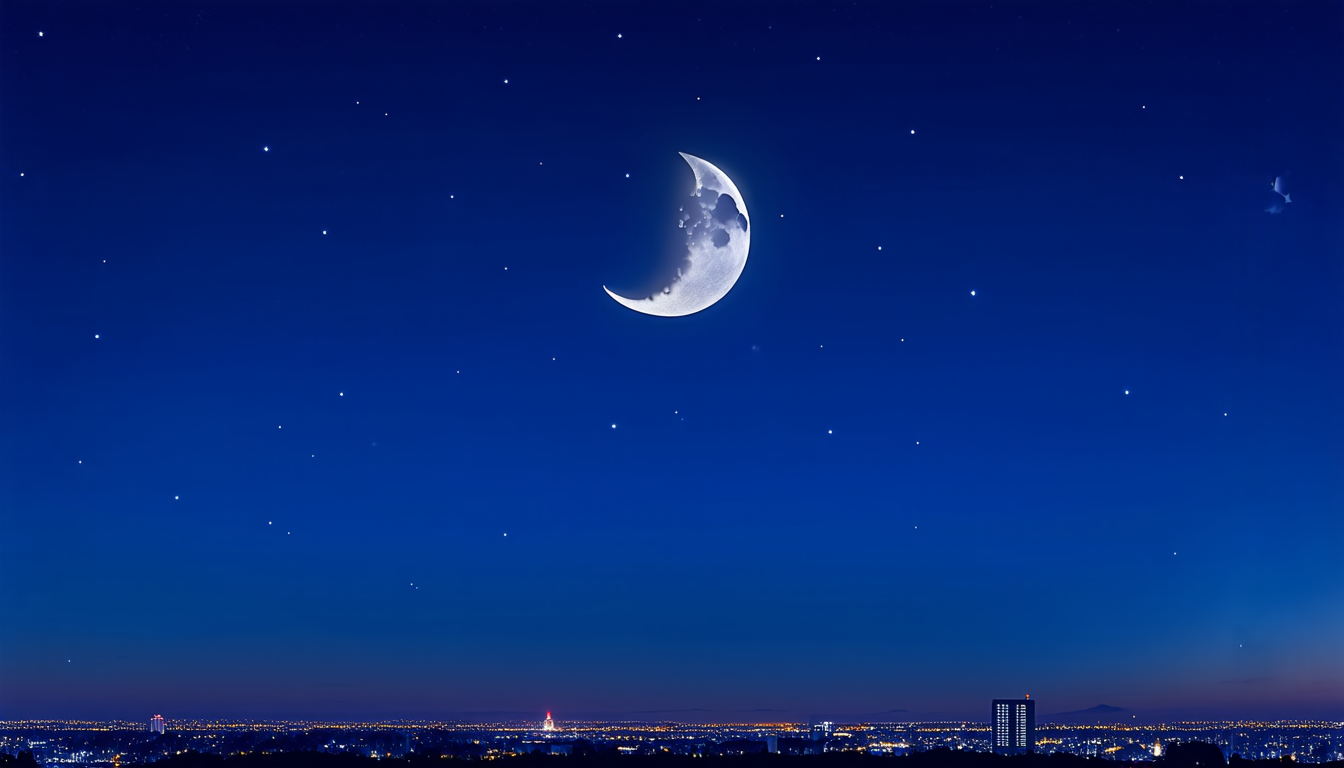
The night sky, once a canvas of twinkling stars and celestial wonders, is slowly being suffocated by the glow of human activity. Light pollution, the unwanted illumination that spills into the environment, is a growing concern for scientists and astronomers around the world.
A recent study has shed new light on this issue, providing a comprehensive analysis of the problem and its far-reaching consequences. The research reveals that not only are we polluting our skies with artificial light, but also our oceans and even our very own bodies.
The study’s authors used a combination of satellite imagery, ground-based measurements, and mathematical models to map the extent of light pollution across the globe. Their findings are stark: nearly 80% of the world’s population is exposed to some form of artificial light at night, with the majority of this light coming from urban areas.
But it’s not just the sheer scale of the problem that’s alarming – it’s also the impact on our environment and our own health. Light pollution has been linked to disruptions in natural habitats, altered migratory patterns, and even changes in the human circadian rhythm.
So how did we get here? The answer lies in our increasing reliance on artificial lighting. As cities grow and urbanization expands, so too does the need for streetlights, building lights, and other forms of illumination. But in our haste to brighten up our surroundings, we’ve forgotten about the consequences of our actions.
The good news is that there are steps we can take to mitigate the effects of light pollution. By adopting more efficient lighting technologies and implementing smart lighting systems, we can reduce waste and minimize our environmental footprint.
But it’s not just a matter of switching to LED bulbs or dimming our lights – it’s also about changing our behavior and appreciating the value of darkness. In an age where we’re constantly connected and stimulated, there’s something to be said for embracing the quiet, peacefulness of the night sky.
The study’s authors hope that their research will serve as a wake-up call for policymakers, urban planners, and individuals alike. By acknowledging the problem and working together to solve it, we can reclaim our night skies and restore the natural world to its former glory.
As we gaze up at the stars, let’s remember the importance of preserving the darkness – not just for our own benefit, but for the health of our planet and the future generations that will inherit it.
Cite this article: “The Sky is Falling: How Artificial Light Pollution is Transforming Our Relationship with the Night”, The Science Archive, 2025.
Light Pollution, Artificial Light, Urbanization, Environment, Health, Circadian Rhythm, Natural Habitats, Migratory Patterns, Led Bulbs, Smart Lighting Systems





