

Sunday 06 April 2025
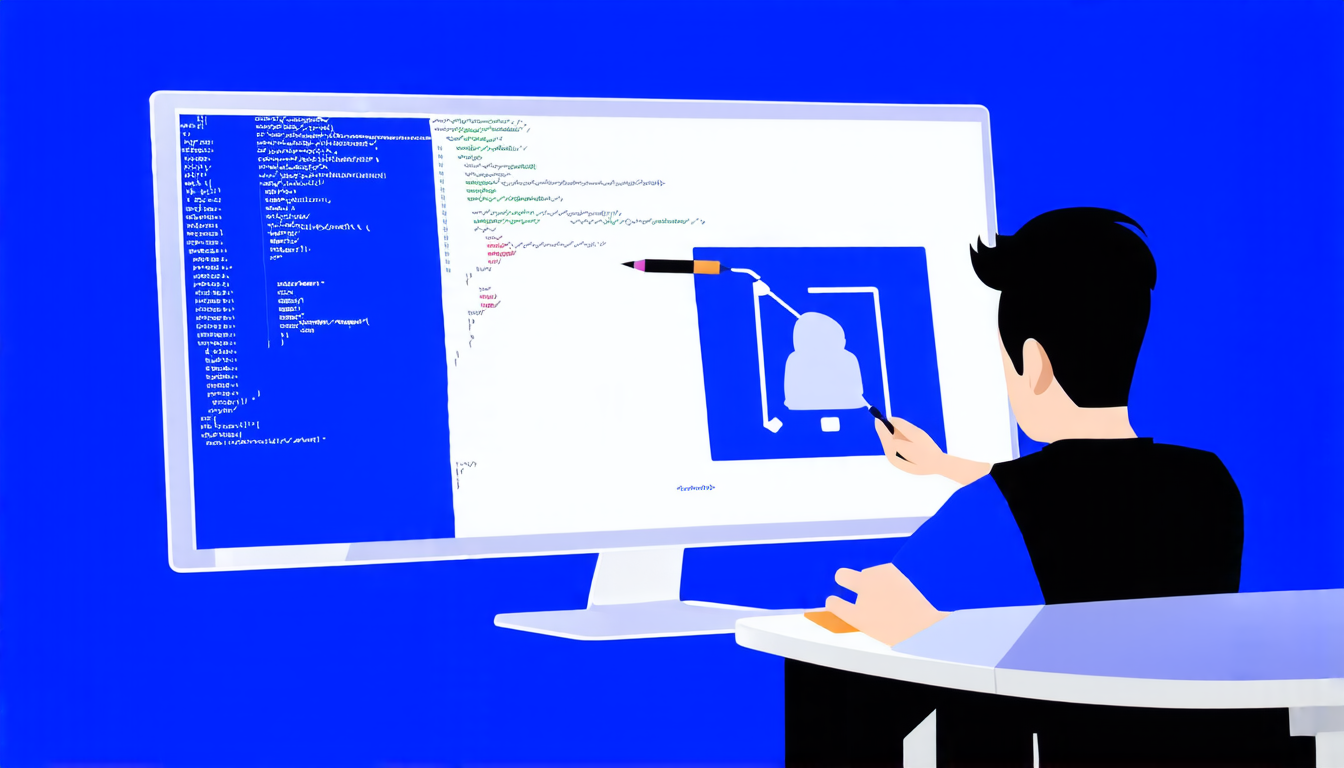
Humans have long struggled to effectively communicate their intentions and goals to artificial intelligence systems, often resulting in frustration and inefficiency. In a bid to address this issue, researchers have been exploring ways to augment traditional text-based instructions with interactive elements.
A recent study has shed light on the various purposes behind these interaction-augmented instructions, which can be broadly categorized into four main types: restricting, expanding, organizing, and refining. By understanding these different purposes, developers can design more effective tools that facilitate seamless collaboration between humans and AI systems.
Restricting interactions involve limiting the range of options or possibilities presented to the human user, typically through direct manipulation techniques such as visual brushes or text inputs. This approach is often used when a specific outcome or result is desired, and the AI system needs guidance on what to focus on.
Expanding interactions, on the other hand, are designed to increase the scope of possibilities by providing additional information or context. This can be achieved through various means, including viewpoint navigation, software manipulation, or inline highlighting. By expanding the range of options, humans can better guide the AI system towards a specific goal or objective.
Organizing interactions involve structuring and categorizing information in a way that makes it easier for both humans and AI systems to understand. This can be accomplished through tree manipulations, flowchart designs, or spreadsheet editing. Effective organization enables humans to convey complex ideas and relationships more effectively to the AI system.
Refining interactions are focused on fine-tuning and adjusting the output of an AI system based on human feedback. This may involve visual brush selection, widget manipulation, or text input refinement. By refining the output, humans can ensure that the AI system is producing results that align with their original intentions.
The study highlights various tools and systems that incorporate these different types of interactions, including data visualization platforms, natural language processing algorithms, and human-AI collaboration frameworks. By examining these examples, developers can gain a deeper understanding of how to design more effective interaction-augmented instructions that facilitate successful human-AI collaboration.
Ultimately, the goal of these efforts is to create AI systems that are not only capable but also intuitive and easy to use. By augmenting traditional text-based instructions with interactive elements, humans can more effectively communicate their intentions and goals to AI systems, leading to improved outcomes and enhanced collaboration.
Cite this article: “Unlocking Human-AI Collaboration: A Comprehensive Survey of Interaction-Augmented Instructions in Generative AI Systems”, The Science Archive, 2025.
Ai, Human-Computer Interaction, Interactive Instructions, Natural Language Processing, Data Visualization, Text-Based Instructions, Machine Learning, Collaboration Frameworks, Human-Ai Collaboration, Artificial Intelligence Systems





