

Sunday 06 April 2025
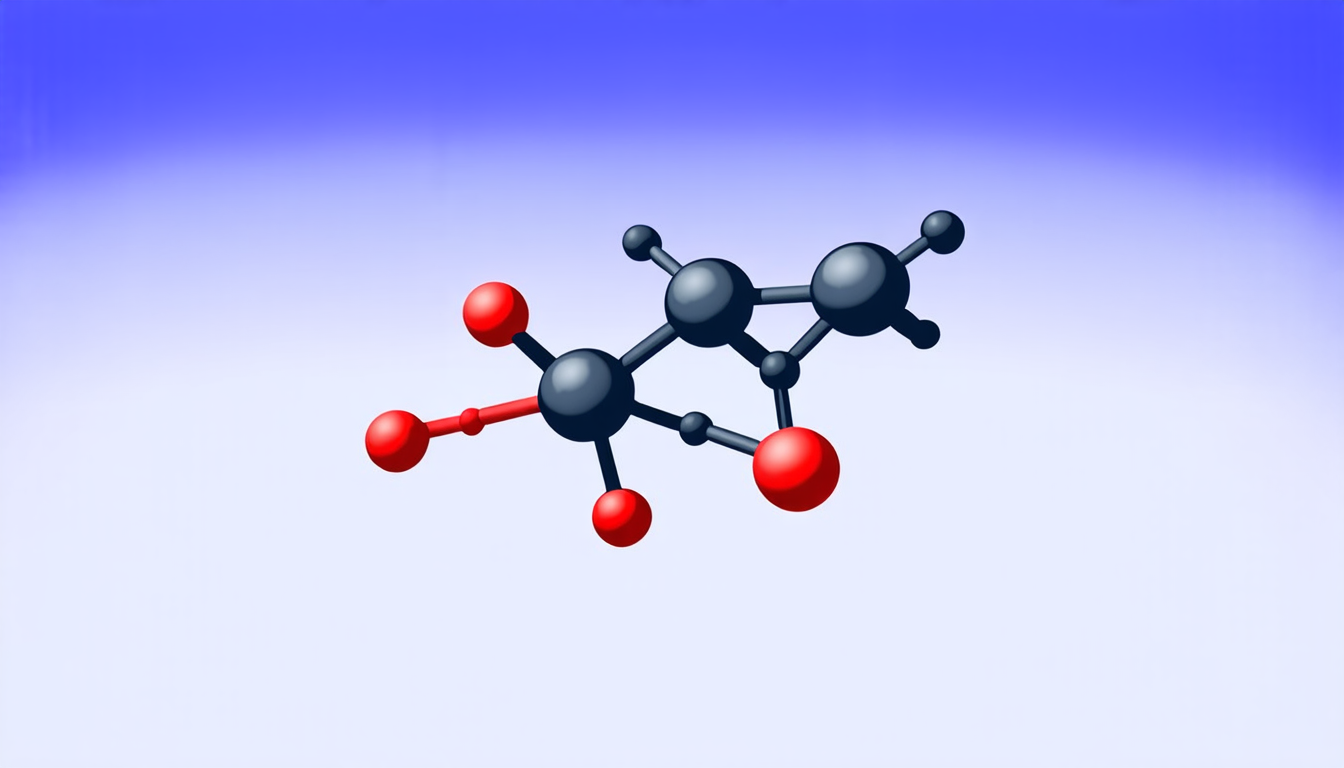
Scientists have made a significant breakthrough in the field of molecular generation, a crucial area of research that has far-reaching implications for various industries, including pharmaceuticals and materials science. A new model called Straight-Line Diffusion Model (SLDM) has been developed to efficiently generate three-dimensional molecular structures.
Molecular generation is the process of creating new molecules with specific properties, such as stability and reactivity. This is a complex task that requires a deep understanding of chemistry and computer science. Existing methods for molecular generation have limitations, including slow sampling rates and low-quality molecules. SLDM addresses these issues by introducing a novel diffusion process that minimizes the second-order derivative of the trajectory.
The SLDM model is based on a combination of two key components: a neural network and a stochastic process. The neural network is used to learn the noise distribution, which is then applied to the stochastic process to generate molecules. This approach allows for more efficient sampling and higher-quality molecules than previous methods.
One of the most significant advantages of SLDM is its ability to generate molecules with high stability. Stability is a critical property in molecular generation, as it determines whether a molecule can be synthesized or used in a specific application. The SLDM model achieves high stability by using a novel diffusion process that minimizes the second-order derivative of the trajectory.
Another important feature of SLDM is its ability to generate molecules with diverse properties. This is achieved through the use of a temperature annealing rate, which controls the amount of noise added to the stochastic process. By adjusting this rate, scientists can generate molecules with a range of properties, from high-energy compounds to stable molecules.
The SLDM model has been tested on several benchmark datasets and has shown significant improvements over existing methods. In one test, the model generated molecules with an average stability of 99%, compared to around 82% for existing methods. This level of stability is critical for many applications, including pharmaceuticals and materials science.
The development of SLDM is a major milestone in the field of molecular generation. It has the potential to revolutionize various industries by providing high-quality molecules with specific properties. The model’s ability to generate diverse compounds also opens up new possibilities for drug discovery and material design.
In addition to its practical applications, SLDM also sheds light on fundamental questions about the nature of matter and the behavior of molecules. By studying the diffusion process used in SLDM, scientists can gain a deeper understanding of the underlying principles that govern molecular behavior.
Cite this article: “Efficient Generation of High-Quality 3D Molecules via Straight-Line Diffusion”, The Science Archive, 2025.
Molecular Generation, Sldm, Neural Network, Stochastic Process, Noise Distribution, Stability, Temperature Annealing Rate, Benchmark Datasets, Pharmaceuticals, Materials Science





