

Sunday 06 April 2025
The Internet of Things (IoT) has been touted as a revolutionary technology that can transform our lives, and in healthcare, it’s no exception. The idea is simple: by connecting medical devices and systems to the internet, we can collect vast amounts of data on patients and use it to improve their care.
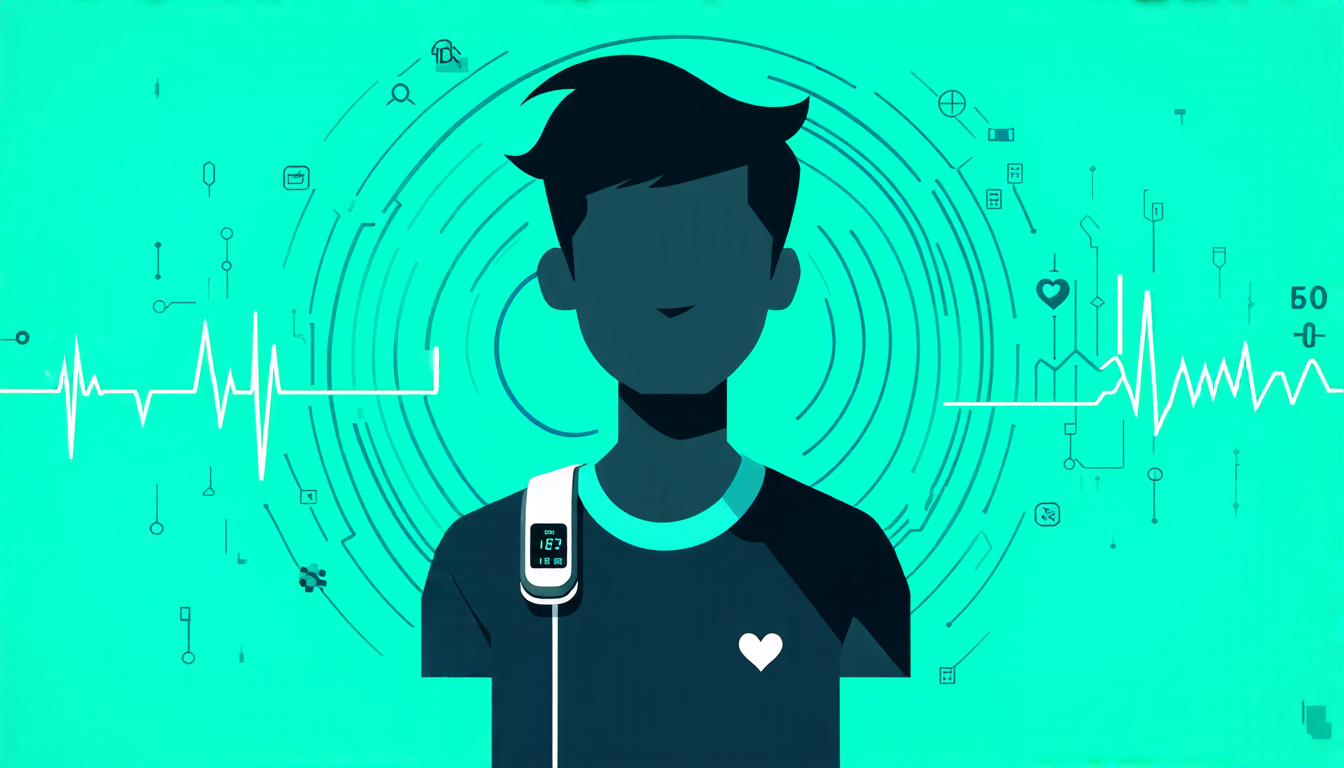
One of the most promising applications of IoT in healthcare is remote patient monitoring. Traditionally, patients have had to visit hospitals or clinics for regular check-ups, which can be inconvenient and expensive. With IoT-enabled devices, doctors can monitor patients’ vital signs remotely, detecting potential problems before they become serious. For example, a wearable device can track a patient’s heart rate and alert their doctor if it starts to fluctuate erratically.
Another area where IoT is making a significant impact is in the management of chronic conditions. Patients with conditions such as diabetes or asthma often require frequent monitoring and adjustments to their treatment plans. IoT devices can automate this process, sending data back to doctors and nurses who can then make informed decisions about how to best manage each patient’s care.
But it’s not just patients who are benefiting from IoT in healthcare – doctors and hospitals are too. By analyzing vast amounts of data on patient outcomes and treatment patterns, medical professionals can identify areas for improvement and optimize their services. This can lead to better health outcomes, reduced costs, and improved patient satisfaction.
Of course, there are also potential risks associated with IoT in healthcare. As more devices are connected to the internet, there’s a greater risk of data breaches and cyber attacks. Additionally, there may be concerns about patient privacy and consent – should patients be allowed to opt out of remote monitoring, for example?
To mitigate these risks, healthcare providers must prioritize data security and patient confidentiality. This can involve implementing robust cybersecurity measures, such as encryption and secure authentication protocols. Patients must also be educated on the benefits and risks of IoT-enabled care, and given the opportunity to make informed decisions about their own treatment.
Despite these challenges, the potential benefits of IoT in healthcare are undeniable. As the technology continues to evolve, we can expect to see even more innovative applications emerge. From personalized medicine to predictive analytics, the possibilities are endless. And as healthcare providers continue to harness the power of IoT, patients will reap the rewards – improved health outcomes, increased convenience, and better care overall.
Cite this article: “Unlocking the Potential of Healthcare IoT Integration: A Comprehensive Review and Future Directions”, The Science Archive, 2025.
Iot, Healthcare, Remote Patient Monitoring, Chronic Conditions, Data Security, Cybersecurity, Patient Confidentiality, Personalized Medicine, Predictive Analytics, Medical Devices
Reference: Ellie Zontou, Antonia Kyprioti, “IoT Integration Protocol for Enhanced Hospital Care” (2025).





