

Sunday 06 April 2025
The quest for precision in image segmentation has long been a thorn in the side of machine learning researchers. When it comes to identifying objects within an image, accuracy is crucial, but achieving it can be a daunting task. A new approach aims to revolutionize this process by introducing a dataset specifically designed to evaluate the effectiveness of topology-focused loss functions.
Topology loss functions are a type of algorithm that prioritizes preserving topological features in images, such as connected components and holes. This is particularly important when dealing with thin structures like axons, vessels, and fibers, where misclassifications can have significant consequences. However, these algorithms often struggle to generalize well across different datasets and scenarios.
Enter TopoMortar, a novel dataset designed to assess the performance of topology loss functions under various conditions. By creating a standardized set of images with accurate labels, researchers can now evaluate the effectiveness of these algorithms in a more rigorous manner.
One of the key features of TopoMortar is its ability to simulate real-world challenges like limited training data and noisy labels. This allows researchers to test the robustness of their algorithms under conditions that mirror those encountered in practical applications.
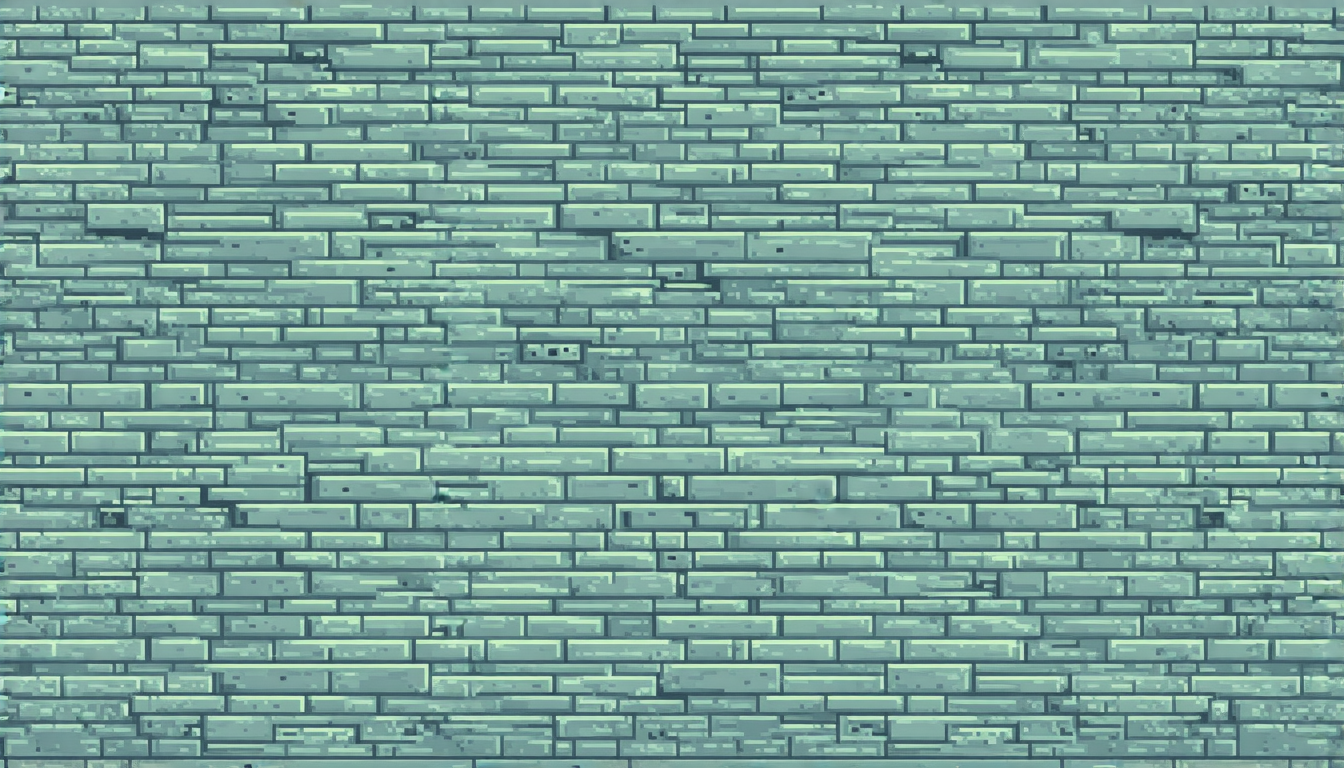
The dataset consists of brick wall images with varying degrees of complexity, including different textures, colors, and patterns. Each image is annotated with accurate labels, ensuring that the true topology of the structures is well-defined. The dataset also includes out-of-distribution test sets to assess the algorithms’ ability to generalize beyond what they’ve been trained on.
The implications of TopoMortar are far-reaching. By providing a standardized benchmark for evaluating topology loss functions, researchers can now develop more accurate and reliable image segmentation algorithms. This has significant potential applications in medical imaging, where precise identification of structures is critical for diagnosis and treatment.
In addition to its use as a benchmark, TopoMortar also offers opportunities for data augmentation and self-distillation techniques. These methods involve manipulating the training data or using additional models to improve the performance of the primary algorithm. By incorporating these techniques into their workflow, researchers can further refine their algorithms and achieve even more accurate results.
The potential benefits of TopoMortar are evident in its ability to streamline the development process for image segmentation algorithms. By providing a standardized dataset that simulates real-world challenges, researchers can now focus on improving the performance of their algorithms rather than reinventing the wheel.
Cite this article: “Unlocking Topological Robustness in Image Segmentation via Data Augmentation and Self-Distillation”, The Science Archive, 2025.
Machine Learning, Image Segmentation, Topology Loss Functions, Topomortar Dataset, Brick Wall Images, Accuracy, Precision, Medical Imaging, Diagnosis, Treatment.





