

Sunday 06 April 2025
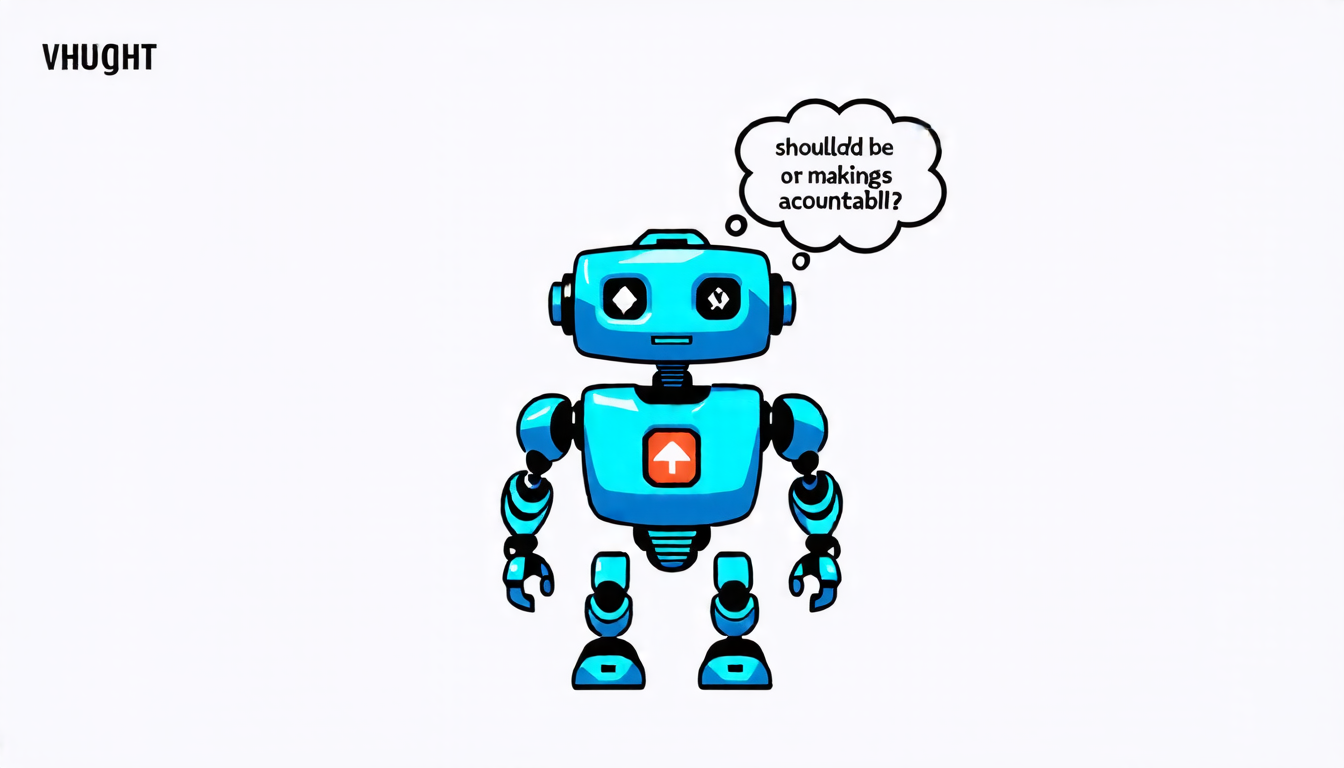
As we continue to rely on artificial intelligence (AI) in our daily lives, a pressing question has arisen: how do we hold AI accountable for its actions? Just like humans, AI systems can cause harm and make mistakes, but they lack consciousness and free will. This raises the issue of whether we should punish AI for its misdeeds.
Researchers have been grappling with this problem, seeking to understand why people want to punish AI in the first place. It turns out that our desire to punish AI is closely tied to our perception of it as a conscious being. When we attribute human-like qualities to an AI system, such as intentionality and moral agency, we’re more likely to hold it accountable for its actions.
One study found that people tend to blame AI systems when they fail to perform tasks or make mistakes, even if those failures are due to programming errors rather than intentional wrongdoing. This is because our brains are wired to assume that intelligent beings have a sense of responsibility and can be held accountable for their actions.
But what about cases where an AI system makes a decision that’s clearly wrong or harmful? Should we punish it for its mistakes, even if those mistakes were made due to programming flaws or biases?
The answer is complex. Punishing AI for its mistakes could have unintended consequences, such as perpetuating biases and reinforcing harmful stereotypes. On the other hand, failing to hold AI accountable could lead to a lack of transparency and accountability in decision-making processes.
To address these concerns, researchers are exploring ways to design AI systems that are more transparent and explainable, making it easier for humans to understand their decisions and actions. This could involve developing techniques for AI systems to provide feedback on their decision-making processes or to justify their actions in a way that’s understandable to humans.
Ultimately, the question of whether we should punish AI for its mistakes is not just about holding an artificial system accountable but also about understanding our own relationship with technology. As we continue to rely on AI in more and more aspects of our lives, it’s essential that we develop a nuanced understanding of what it means to hold an intelligent being responsible for its actions.
By exploring the complex issues surrounding AI accountability, researchers are helping us navigate the challenges and opportunities presented by this rapidly evolving field. As we move forward, it’s crucial that we prioritize transparency, explainability, and fairness in our interactions with AI systems, ensuring that they serve humanity rather than perpetuating harm or bias.
Cite this article: “Unlocking the Punishment Paradox: The Moral Dilemmas of AI Accountability”, The Science Archive, 2025.
Artificial Intelligence, Accountability, Punishment, Consciousness, Free Will, Responsibility, Transparency, Explainability, Fairness, Bias





