

Sunday 06 April 2025
Scientists have made a significant breakthrough in understanding the history of star formation and supermassive black holes in the universe. By analyzing data from the James Webb Space Telescope, researchers have created a comprehensive picture of how stars and galaxies evolved over billions of years.
The study focused on a specific period in cosmic history, between 5.5 billion and 13.5 billion years ago. During this time, the first galaxies were forming and evolving, and supermassive black holes at their centers began to grow. The researchers used a combination of observations from the James Webb Space Telescope and computer simulations to create a detailed picture of what was happening during this period.
One of the key findings is that star formation rates in galaxies increased dramatically around 10 billion years ago. This surge in star birth may have been triggered by the growth of supermassive black holes, which heated up the surrounding gas and created conditions favorable for star formation. The researchers also found that the most massive galaxies had the highest star formation rates, suggesting that these galaxies played a crucial role in shaping the universe as we know it today.
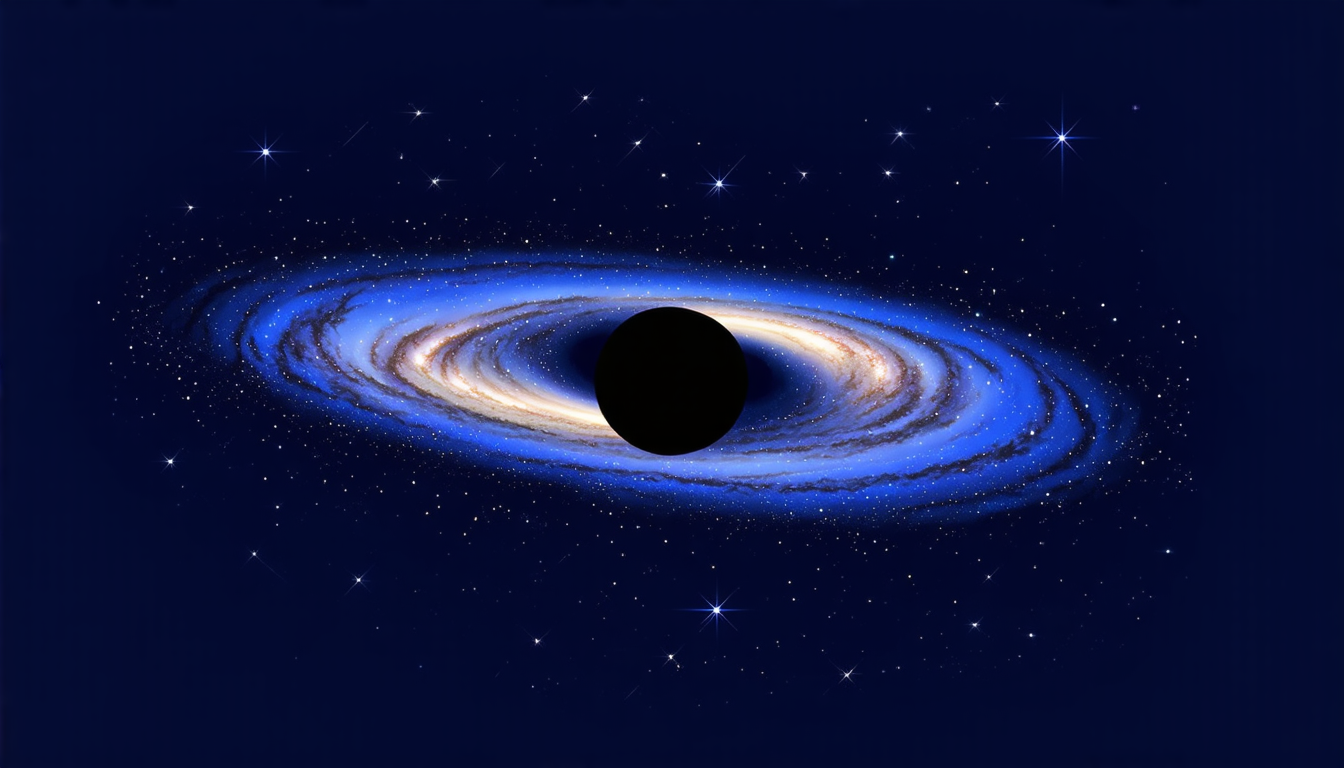
The study also shed light on the evolution of supermassive black holes. These behemoths are thought to have formed around 13 billion years ago, during the early days of galaxy formation. The researchers found that they grew rapidly, feeding off the surrounding gas and dust. As galaxies collided and merged, their black holes combined, leading to the creation of even more massive objects.
The James Webb Space Telescope is a powerful tool for studying the universe in infrared light, which allows it to penetrate through thick clouds of gas and dust. By using this telescope, researchers can observe distant galaxies and stars that would otherwise be invisible to us. The data collected by the telescope provides a unique window into the past, allowing scientists to piece together the history of the universe.
The findings of this study have important implications for our understanding of galaxy evolution and the role of supermassive black holes in shaping the cosmos. They also highlight the importance of continued investment in space-based astronomy, which allows us to explore the universe in ways that would be impossible from Earth.
In the future, researchers plan to use the James Webb Space Telescope to study even more distant galaxies and stars. By continuing to push the boundaries of what we know about the universe, scientists can gain a deeper understanding of how it came to be the way it is today.
Cite this article: “Unlocking the Secrets of Galaxy Evolution: A New Era in Cosmology”, The Science Archive, 2025.
James Webb Space Telescope, Star Formation, Supermassive Black Holes, Galaxy Evolution, Cosmic History, Universe, Infrared Light, Space-Based Astronomy, Galaxy Formation, Stellar Evolution





