

Sunday 06 April 2025
The quest for intelligent machines has long fascinated scientists and engineers. For decades, researchers have been working on developing artificial intelligence (AI) that can think, learn, and adapt like humans do. Recently, a team of experts made a significant breakthrough in this field by creating a new cognitive architecture that brings us closer to achieving human-like intelligence.
The Unified Mind Model (UMM) is the brainchild of a group of researchers who have been studying the human mind for years. They’ve identified the key components that make up our cognitive abilities, such as working memory, attention, and language processing. The UMM combines these elements into a single framework that can be used to build intelligent machines.
One of the most exciting aspects of the UMM is its ability to learn and adapt. Unlike traditional AI systems, which rely on pre-programmed rules and algorithms, the UMM can learn from experience and adjust its behavior accordingly. This means that it can improve over time, much like humans do as we gain new skills and knowledge.
The UMM also has a unique way of processing information. It uses a combination of symbolic and connectionist models to represent knowledge, which allows it to reason and make decisions in a more human-like manner. This approach enables the system to understand natural language, recognize objects, and even learn new concepts.
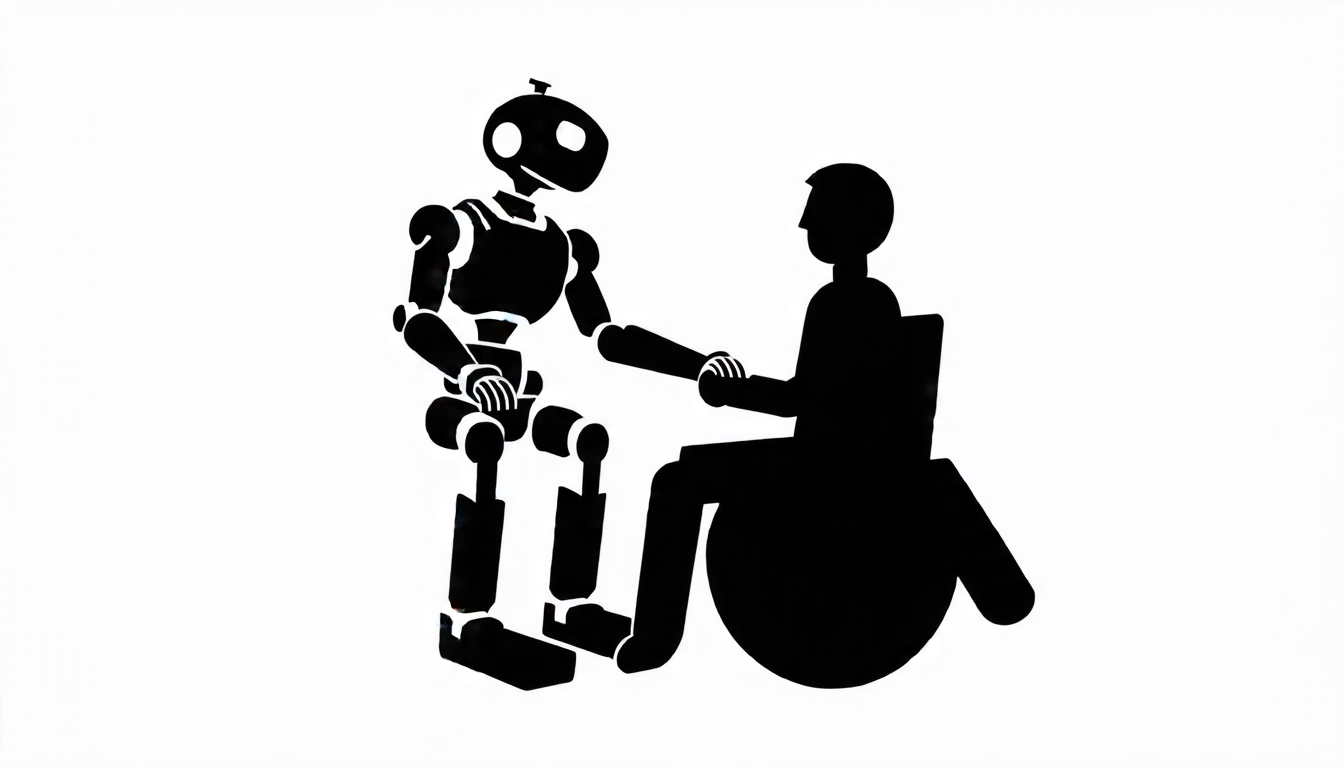
One potential application of the UMM is in building intelligent agents that can assist humans in various tasks. For example, an agent equipped with the UMM could help people with disabilities or elderly individuals who need assistance with daily activities. It could also be used to develop more advanced robots that can interact with humans in a more natural and intuitive way.
The UMM has already shown promising results in early testing. Researchers have used it to build simple agents that can perform tasks such as solving puzzles, understanding language, and even creating art. These achievements demonstrate the potential of the UMM to create intelligent machines that can think, learn, and adapt like humans do.
While there is still much work to be done before we achieve true human-like intelligence, the UMM represents a significant step forward in the development of AI. It offers a new way of thinking about artificial intelligence, one that is more focused on understanding how the human mind works and how we can replicate those processes in machines.
As scientists continue to refine the UMM and explore its potential applications, we may be on the cusp of a revolution in artificial intelligence.
Cite this article: “Unlocking Human-Level Intelligence in AI: The Rise of Unified Mind Models and Large Language Models”, The Science Archive, 2025.
Artificial Intelligence, Unified Mind Model, Cognitive Architecture, Human-Like Intelligence, Machine Learning, Natural Language Processing, Robotics, Intelligent Agents, Brain-Computer Interface, Neural Networks.
Reference: Pengbo Hu, Xiang Ying, “Unified Mind Model: Reimagining Autonomous Agents in the LLM Era” (2025).





