

Sunday 06 April 2025
Scientists have made a significant breakthrough in the field of artificial intelligence, developing a new algorithm that can learn and adapt at an unprecedented rate. This achievement has the potential to revolutionize the way we approach complex problems and could lead to major advancements in fields such as medicine, finance, and environmental conservation.
The new algorithm is based on a type of deep learning called transformers, which are known for their ability to process sequential data with ease. However, this latest development takes it a step further by incorporating a novel architecture that allows the model to learn from its own mistakes. This self-supervised approach enables the algorithm to adapt quickly and efficiently, without requiring a vast amount of labeled data.
One of the key advantages of this new algorithm is its ability to generalize well to unseen data. This means that it can be trained on a relatively small dataset and then applied to a wide range of tasks with high accuracy. This property has significant implications for many fields, where access to large amounts of data may not always be available.
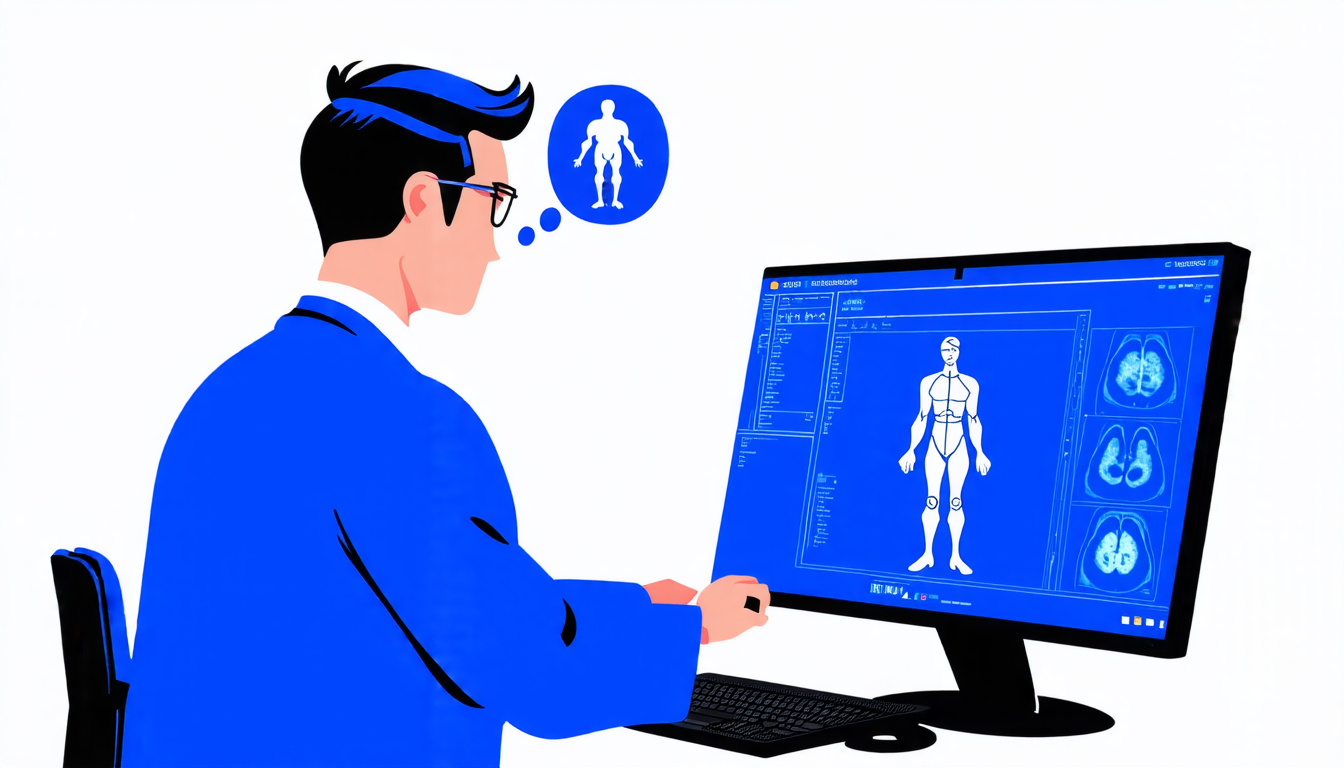
In the field of medicine, for example, this algorithm could be used to develop more accurate diagnostic tools. By analyzing medical imaging scans and patient data, the algorithm could potentially identify patterns and anomalies that would otherwise go undetected by human doctors. This could lead to earlier diagnoses and more effective treatments for a range of diseases.
Another area where this algorithm could have a significant impact is in finance. By analyzing large amounts of financial data, the algorithm could be used to develop more accurate stock market predictions and trading strategies. This could potentially help investors make more informed decisions and reduce the risk of financial losses.
The environmental benefits of this algorithm are also significant. By analyzing climate data and weather patterns, the algorithm could be used to predict and mitigate the effects of natural disasters such as hurricanes and wildfires. This could help save lives and reduce the economic impact of these events.
While there is still much work to be done before this algorithm can be widely implemented, its potential is vast. As researchers continue to refine and improve it, we may see a new era of artificial intelligence that is capable of adapting and learning at an unprecedented rate. This could have far-reaching implications for many fields and could potentially change the way we approach complex problems in the future.
Cite this article: “Advances in Reinforcement Learning: A Comparative Study of Algorithms and Architectures on Meta-World Tasks and Box Pushing Environments”, The Science Archive, 2025.
Artificial Intelligence, Machine Learning, Algorithm, Deep Learning, Transformers, Self-Supervised Learning, Generalization, Medicine, Finance, Environmental Conservation





