

Monday 07 April 2025
The study of how visual guidance affects user performance in augmented reality (AR) applications is a crucial one, particularly as AR continues to gain traction in industries such as manufacturing and education. A recent paper published in the Journal of Human-Computer Interaction provides valuable insights into this topic, shedding light on the complex relationship between visual guidance, task completion time, and error rates.
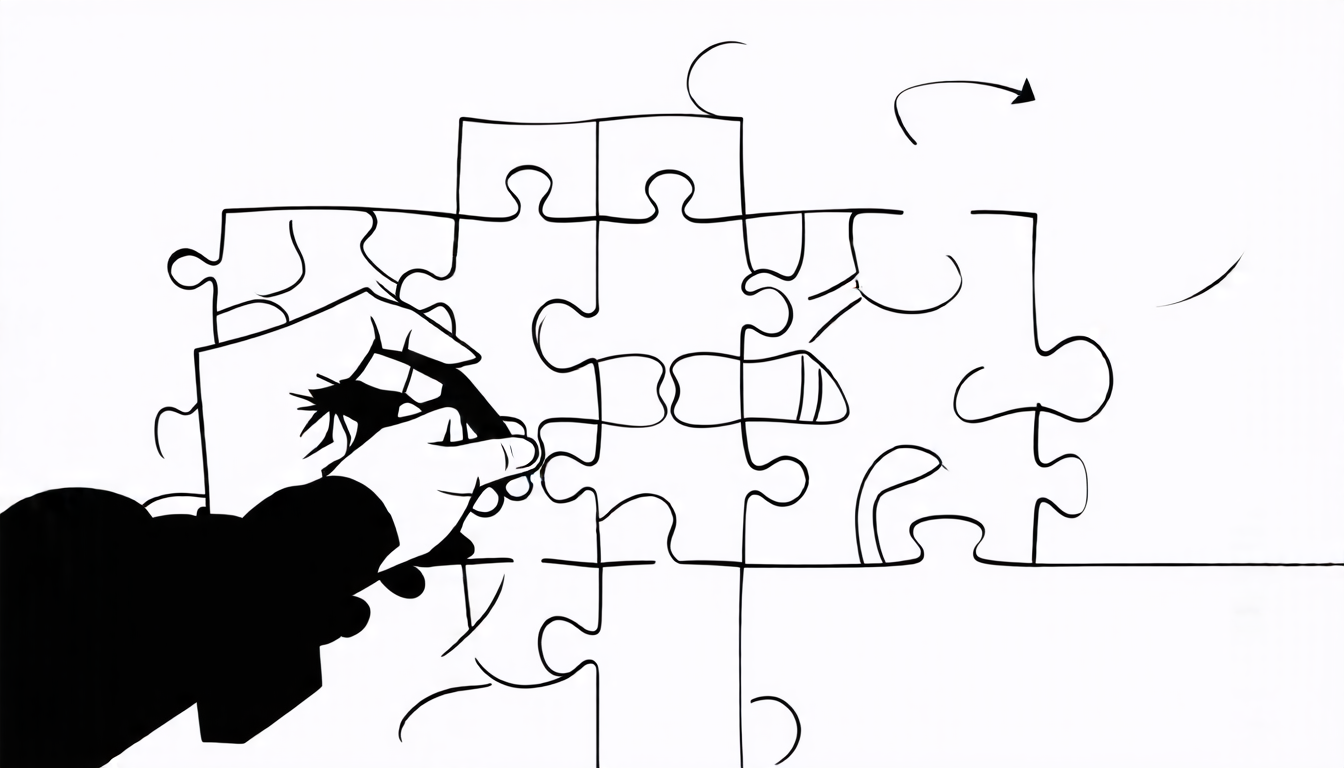
The researchers designed an experiment involving three groups of participants who were tasked with completing a series of assembly tasks using AR-enabled workstations. The key variable in this study was the type of visual guidance provided to each group: one group received no guidance at all, while another group received traditional side-by-side instructions, and the third group received augmented reality-based instructions that overlaid visual cues onto their real-world workspace.
The results were striking. Participants who received AR-based instructions completed tasks significantly faster than those in the other two groups, with a 31 percent reduction in task completion time compared to the no-guidance group. However, this speedup came at a cost: participants in the AR group also experienced a significant increase in errors, which was not seen in the other two groups.
These findings are interesting because they challenge our assumptions about how visual guidance affects user performance. In many cases, we might expect that providing more guidance would lead to faster and more accurate task completion. However, in this study, the AR-based instructions may have disrupted participants’ ability to focus on their work, leading to increased errors.
The researchers also explored the effects of occlusion – when virtual objects or cues overlap with real-world objects in the user’s workspace – on participant performance. Not surprisingly, occlusion was found to be a major factor in error rates: when participants had difficulty seeing important visual cues due to occlusion, they were more likely to make mistakes.
This study has important implications for the design of AR applications in industries where speed and accuracy are critical. By understanding how different types of visual guidance affect user performance, developers can create more effective and efficient training tools that minimize errors and maximize productivity.
One potential takeaway from this study is the importance of balancing visual guidance with real-world feedback. In many cases, providing too much guidance may actually hinder users’ ability to develop their own problem-solving skills and adapt to new situations. By striking a balance between virtual cues and real-world feedback, AR applications can provide users with the support they need without overwhelming them.
Cite this article: “Unlocking Human Performance: The Impact of Visual Guidance in Augmented Reality Assembly Tasks”, The Science Archive, 2025.
Augmented Reality, Visual Guidance, User Performance, Task Completion Time, Error Rates, Ar Applications, Manufacturing, Education, Occlusion, Real-World Feedback





