

Tuesday 08 April 2025
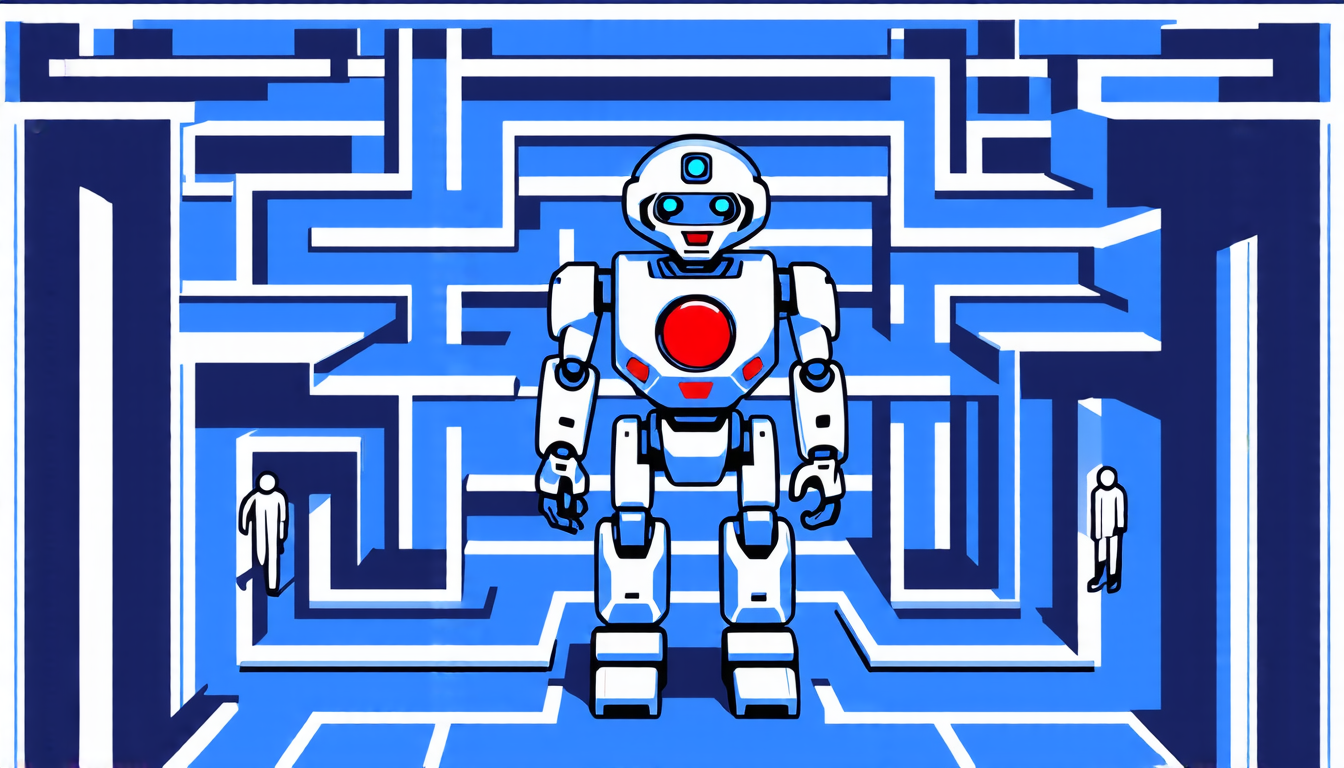
Scientists have been working on a new technology that could revolutionize the way we search for missing people in buildings and factories. This innovative system uses robots to quickly and efficiently explore complex indoor environments, making it easier to locate individuals who are lost or trapped.
The technology is called REACT, which stands for Multi-Robot Energy-Aware Orchestrator for Indoor Search and Rescue Critical Tasks. It’s a mouthful, but essentially what it does is allow multiple robots to work together to search for missing people in a building.
One of the biggest challenges when searching for someone in a large indoor space is finding the most efficient way to cover every area. REACT solves this problem by using advanced algorithms and sensors to map out the environment and identify the best route for the robots to take. This means that the robots can quickly move through the building, covering more ground in less time.
But what makes REACT really special is its ability to adapt to changing situations. For example, if a robot encounters an obstacle or finds someone who needs help, it can adjust its path on the fly to ensure that everyone is accounted for. This level of flexibility is crucial when every second counts in search and rescue operations.
Another key feature of REACT is its focus on energy efficiency. The robots are designed to conserve power as much as possible, which means they can operate for longer periods of time without needing to be recharged. This is especially important in situations where electricity may not be available or reliable.
The technology has been tested in a simulated environment and the results are promising. In one test, REACT was able to cover 97% of an indoor space in just over half the time it would have taken using traditional methods. The system also saved energy by avoiding areas that were already searched and not wasting time on unnecessary routes.
The potential applications for REACT are vast. It could be used in search and rescue operations, but it could also be applied to other industries such as warehousing or construction. Imagine being able to quickly locate a missing worker in a large factory or finding a lost child in a crowded shopping mall.
One of the most exciting aspects of REACT is its potential to make a real difference in people’s lives. Whether it’s helping emergency responders find someone who needs assistance or improving workplace safety, this technology has the power to save lives and improve outcomes.
Cite this article: “Unlocking Efficient Search and Rescue Operations with Energy-Aware Multi-Robot Orchestration”, The Science Archive, 2025.
Robots, Search, Rescue, Missing, People, Buildings, Factories, Technology, Algorithm, Sensors





