

Tuesday 08 April 2025
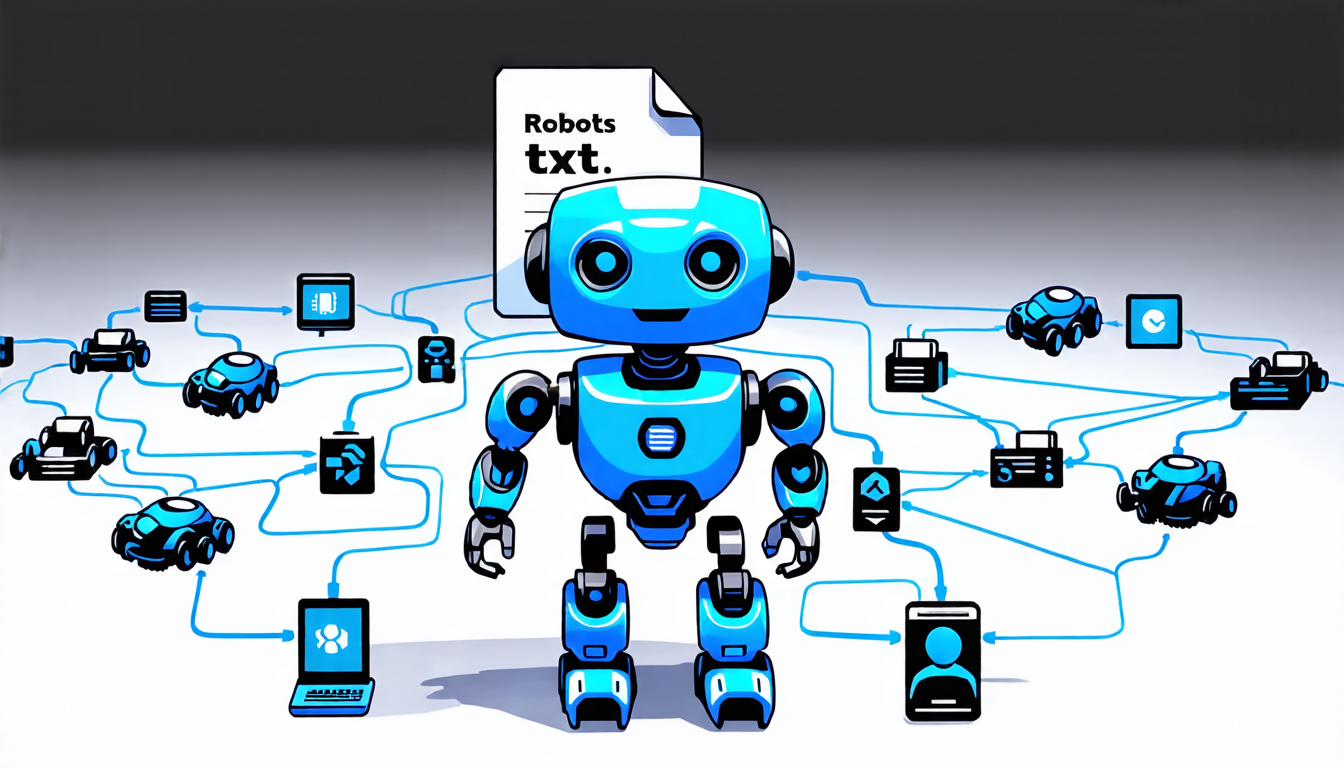
As we navigate the vast expanse of the internet, it’s easy to overlook the intricate web of rules and regulations that govern our online interactions. One such protocol is robots.txt, a file used by website administrators to communicate access permissions to automated bots like search engines and data scrapers.
But what happens when these bots disregard the directives outlined in robots.txt? A new paper delves into the legal implications of this scenario, shedding light on the complex interplay between technology, law, and society.
The researchers argue that violating robots.txt can lead to legal liabilities, particularly in cases where webmasters have explicitly disallowed certain types of access or data collection. This raises important questions about accountability and responsibility in the digital age.
One key finding is that traditional tort laws, such as trespass to chattels and negligence, can be applied to cases involving unauthorized data scraping. This means that courts could potentially hold companies accountable for violating robots.txt directives, even if no direct harm was caused to physical property.
The paper also explores the differences between the US and EU approaches to robots.txt and copyright law. The US tends to favor innovation and leniency, while the EU prioritizes stricter protections and digital sovereignty. This dichotomy highlights the broader geopolitical and economic dynamics at play in shaping global digital governance.
As we move forward in an era dominated by large language models (LLMs) and data-intensive technologies, it’s essential that we strike a balance between innovation and digital equity. The legal frameworks proposed in this paper serve as a starting point for mitigating the negative impacts of unregulated scraping.
The authors also touch on the need for international legal standards and policies, particularly in regards to AI ethics and governance. As LLMs continue to evolve, it’s crucial that we establish clearer guidelines and promote ethical practices to ensure equitable access to digital resources.
In essence, the paper highlights the importance of adapting our legal structures to the demands of an increasingly data-driven world. By doing so, we can preserve the foundational principles of the internet – openness, collaboration, and mutual benefit – while navigating the complexities of technological progress.
Cite this article: “Unraveling the Legal Web: Liability for Robots.txt Violations in the Age of Artificial Intelligence”, The Science Archive, 2025.
Robots.Txt, Data Scraping, Legal Liabilities, Accountability, Responsibility, Tort Laws, Negligence, Copyright Law, Llms, Ai Ethics
Reference: Chien-yi Chang, Xin He, “The Liabilities of Robots.txt” (2025).





