

Tuesday 08 April 2025
The quest for a better AI has long been fueled by the pursuit of more accurate and efficient methods for training neural networks. Recently, researchers have made significant strides in this area by developing a new technique that allows them to pretrain their models on vast amounts of data before fine-tuning them for specific tasks.
This approach, known as Unified Self-Supervised Pretraining (USP), involves masking parts of an image and then training the network to predict what’s missing. This process not only improves the model’s ability to recognize objects but also enhances its capacity for generating new images that are realistic and coherent.
The key innovation here is the use of a single, unified framework that can be applied to a wide range of tasks, from image recognition to generation. By pretraining the network on large datasets using USP, researchers can create models that are more robust and adaptable than those trained using traditional methods.
One of the most significant advantages of USP is its ability to reduce the training time required for neural networks. This is achieved by leveraging the vast amounts of data available in image repositories like ImageNet, which contains over 14 million images. By pretraining on this dataset, researchers can fine-tune their models for specific tasks much more quickly and accurately.
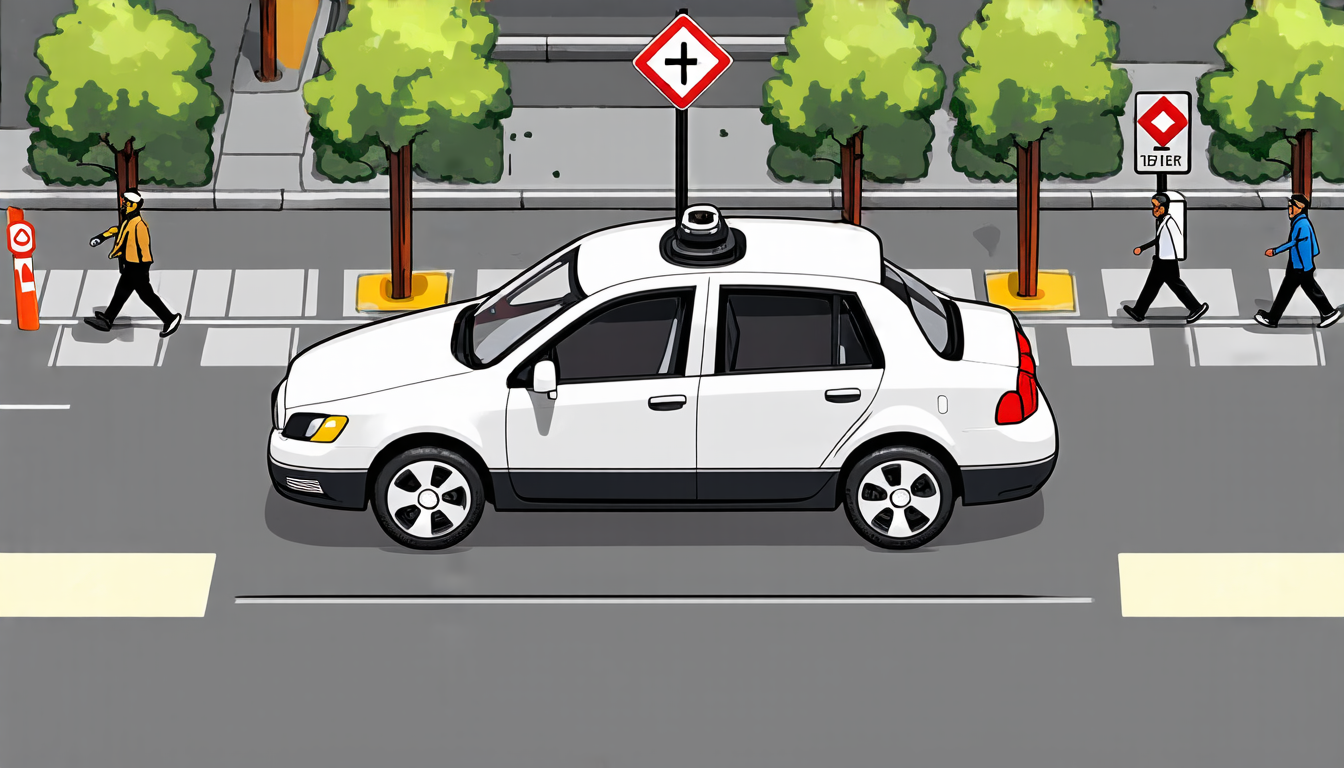
The USP technique also has implications for the field of computer vision, where it could be used to improve the accuracy of object recognition systems. For example, a self-driving car equipped with a USP-trained network would be better able to recognize pedestrians, road signs, and other objects in its environment.
In addition to its technical merits, USP also has potential applications in fields like art and design. By generating new images that are both realistic and coherent, USP could be used to create unique and innovative works of art or even assist designers in generating ideas for new products.
The development of USP is a significant step forward in the quest for more powerful and efficient AI models. As researchers continue to refine this technique, we can expect to see it applied to an increasingly wide range of tasks and applications.
Cite this article: “Unified Self-Supervised Pretraining for Vision and Language Understanding”, The Science Archive, 2025.
Artificial Intelligence, Neural Networks, Image Recognition, Computer Vision, Self-Supervised Pretraining, Unified Framework, Image Generation, Object Recognition, Deep Learning, Usp





