

Tuesday 08 April 2025
A team of researchers has made a significant breakthrough in developing a method that can accurately evaluate and align large language models (LLMs) with human preferences. The innovation, known as CAREVL, uses a combination of expert models and machine learning algorithms to fine-tune the LLMs and improve their performance.
Large language models have become increasingly popular in recent years due to their ability to generate text that is often indistinguishable from human writing. However, these models are only as good as the data they’re trained on, and this data is often biased or incomplete. As a result, the models can produce responses that are inaccurate, irrelevant, or even offensive.
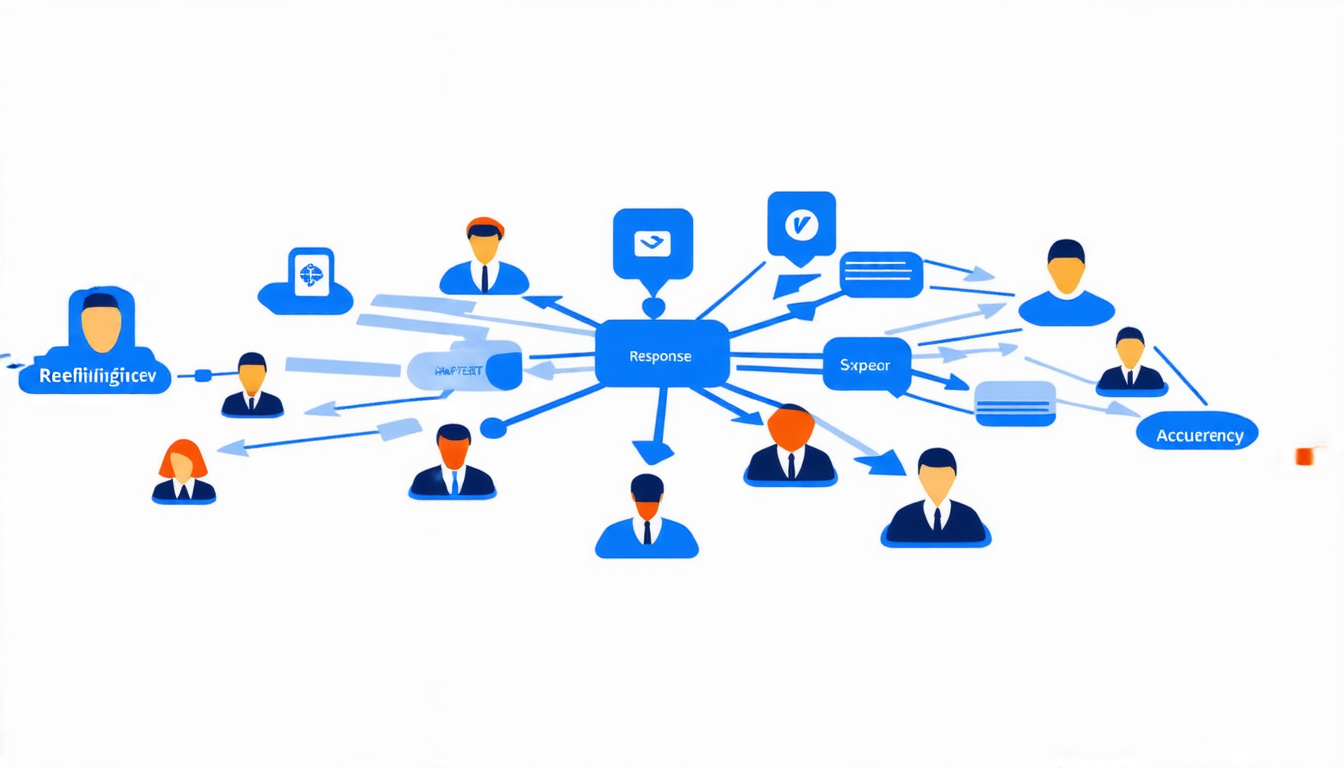
To address this issue, the researchers developed CAREVL, which stands for Cluster of Auxiliary Expert Models Leveraging Language and Vision. The system uses a cluster of expert models to evaluate the performance of LLMs on various tasks, such as answering questions or generating text. These expert models are trained on large datasets and are designed to mimic human judgment.
The CAREVL system works by first selecting a set of candidate responses from the LLMs for a given task. The expert models then evaluate these responses based on their relevance, accuracy, and coherence. The system uses this evaluation to fine-tune the LLMs, adjusting their parameters to produce better-performing responses.
One of the key advantages of CAREVL is its ability to handle complex tasks that require nuanced understanding of language and context. For example, the system can evaluate the performance of LLMs on tasks such as generating text that is both coherent and relevant to a given topic.
The researchers tested the CAREVL system on a variety of datasets, including those containing text from the internet, books, and social media platforms. The results showed significant improvements in the accuracy and relevance of the responses generated by the LLMs.
The development of CAREVL has important implications for the future of artificial intelligence. As LLMs become increasingly sophisticated, they will be used to perform a wide range of tasks, from customer service to content creation. By ensuring that these models are aligned with human preferences, we can reduce the risk of biased or inaccurate responses and improve the overall quality of their output.
The CAREVL system is also an important step towards developing more transparent and explainable AI systems. By providing insights into how LLMs arrive at their conclusions, we can increase trust in these systems and ensure that they are used responsibly.
Cite this article: “Unlocking Multimodal Understanding: A Large-Scale Benchmark for Reward Modeling in Vision-Language Models”, The Science Archive, 2025.
Large Language Models, Carevl, Machine Learning, Expert Models, Human Preferences, Artificial Intelligence, Language Understanding, Task Performance, Accuracy, Transparency





