

Tuesday 08 April 2025
Scientists have made a significant breakthrough in the development of ultra-thin silicon foils, which could revolutionize the field of flexible optoelectronics. The research team, led by Clara Sanchez-Perez, has created a novel method to produce these foils using porous multilayered structures prepared through modulated electrolyte composition.
The traditional method of creating thin silicon foils involves electrochemical etching, which is time-consuming and expensive. This new approach uses a combination of variable current density and electrolyte composition to create a four-layer stack architecture, resulting in ultra-flexible and detachable foils.
One of the key advantages of this method is that it allows for seamless detachment from the parent substrate without damaging either the foil or the substrate. This means that the foil can be easily removed and reused, reducing waste and increasing efficiency.
The team used a combination of electrochemical etching and thermal treatment to create the porous silicon multilayers. The electrolyte composition was carefully modulated to control the porosity and microstructure of the layers, resulting in a high-quality seed layer for epitaxial growth.
The ultra-thin foils produced using this method have several potential applications in flexible optoelectronics, including photovoltaics and displays. They are highly flexible and can be easily bent or folded without compromising their electrical properties.
The researchers also found that the foils were highly resistant to oxidation, which is a major issue in traditional silicon-based solar cells. This makes them ideal for use in harsh environments where exposure to air and moisture is high.
One of the most exciting aspects of this research is its potential to enable the development of new types of solar cells and displays. The ultra-thin foils could be used to create flexible photovoltaic panels that can be integrated into clothing or buildings, providing a new source of renewable energy.
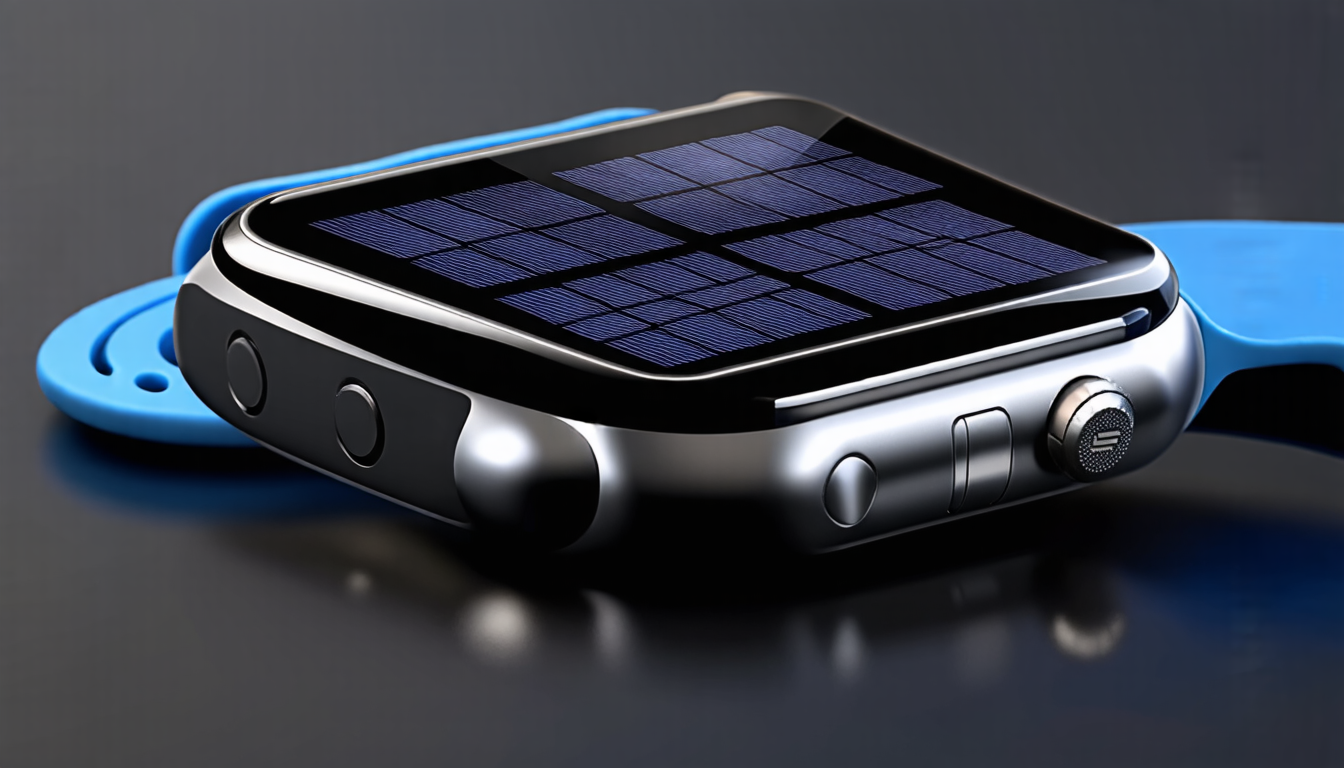
In addition, the detachable nature of the foils makes them ideal for use in wearable electronics, such as smartwatches or fitness trackers. They could also be used to create flexible displays for devices like smartphones or tablets.
Overall, this research has opened up new possibilities for the development of ultra-thin silicon foils and their applications in flexible optoelectronics. The team’s innovative approach to creating these foils using porous multilayered structures is a major step forward in the field, and could have significant implications for the way we generate and use energy in the future.
Cite this article: “Unlocking the Secrets of Ultra-Flexible Silicon Foils: A Breakthrough in Detachable Solar Cells”, The Science Archive, 2025.
Silicon Foils, Flexible Optoelectronics, Porous Multilayered Structures, Electrochemical Etching, Thermal Treatment, Photovoltaics, Displays, Wearable Electronics, Smartwatches, Fitness Trackers.





