

Tuesday 08 April 2025
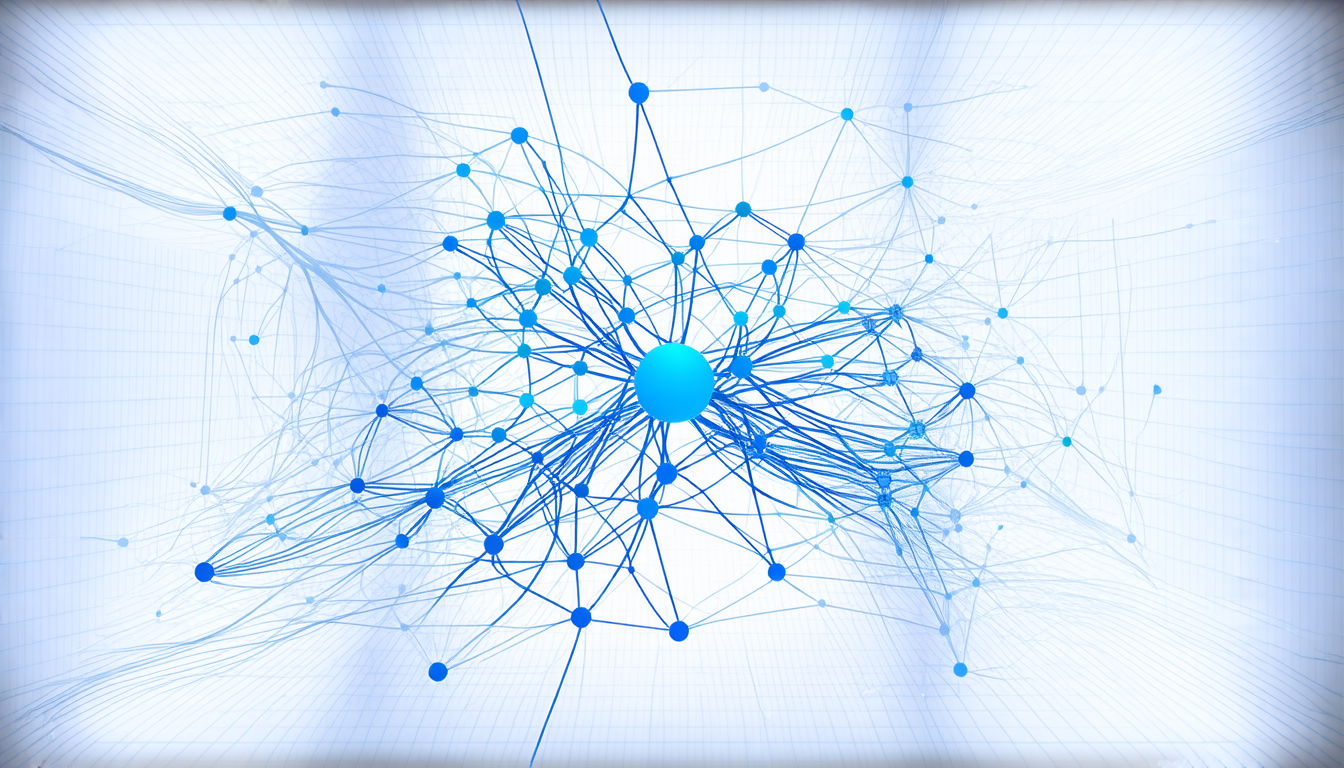
The quest for transparency in artificial intelligence has taken a significant step forward with the development of a new model that can generate explanation graphs for complex neural networks. These graphs are like flowcharts, but instead of showing how data moves through a system, they reveal the internal workings of AI models, making it easier to understand why they make certain decisions.
The problem is this: as AI systems become increasingly sophisticated, their black box nature makes it difficult for humans to comprehend how they arrive at certain conclusions. This lack of transparency can lead to mistrust and skepticism about AI’s capabilities. To address this issue, researchers have been working on developing methods that can generate explanations for AI models.
The new model, called GIN-Graph, uses a combination of generative adversarial networks (GANs) and graph neural networks (GNNs) to create these explanation graphs. In essence, GANs are trained to mimic the structure of real-world data, while GNNs are used to analyze the relationships between different nodes in the graph.
By combining these two approaches, GIN-Graph can generate high-quality explanation graphs that accurately reflect the internal workings of AI models. These graphs are not just abstract representations; they can be used to identify biases and errors in the model’s decision-making process, making it easier for developers to improve its performance.
The implications of this breakthrough are significant. For one, it could lead to greater trust in AI systems, as users can better understand how they arrive at certain conclusions. This could also enable more effective debugging and optimization of AI models, leading to improved overall performance.
GIN-Graph is not a panacea for all the challenges surrounding AI transparency, but it’s an important step in the right direction. As researchers continue to develop new methods for generating explanation graphs, we can expect to see significant advancements in our ability to understand and trust complex AI systems.
In practical terms, GIN-Graph has already been tested on several real-world datasets, including a popular benchmark for graph neural networks. The results are promising: the model was able to generate accurate and informative explanation graphs that revealed insights into the internal workings of the AI models being analyzed.
While there is still much work to be done in developing more sophisticated methods for generating explanation graphs, GIN-Graph represents an important milestone in the quest for transparency in artificial intelligence. As we continue to push the boundaries of what’s possible with AI, it’s essential that we prioritize understanding and trustworthiness alongside performance and efficiency.
Cite this article: “Unlocking Graph Neural Networks: A Novel Approach to Model-Level Explanation”, The Science Archive, 2025.
Artificial Intelligence, Transparency, Explanation Graphs, Neural Networks, Generative Adversarial Networks, Graph Neural Networks, Black Box, Trustworthiness, Debugging, Optimization





