
Tuesday 08 April 2025
The quest for a more accurate understanding of gene expression has long been a holy grail in biology. Researchers have spent years developing techniques to tease out the intricate relationships between genes, but it’s only recently that they’ve made significant progress. A new approach, dubbed JRDNN- KM, is revolutionizing our understanding of gene networks by accounting for the complexities of single-cell RNA sequencing data.
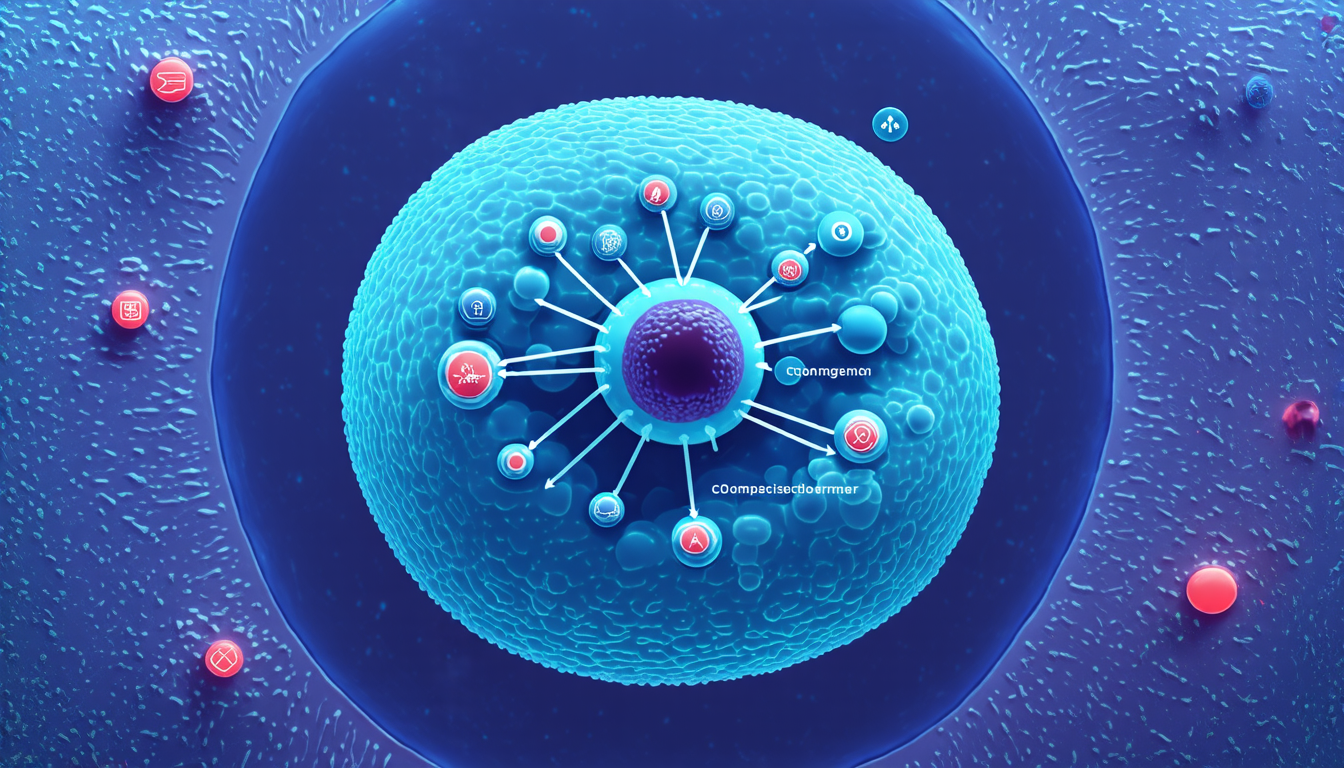
The problem with traditional approaches is that they often oversimplify the relationship between genes, ignoring the nuances of cellular heterogeneity and non-linear relationships. JRDNN-KM tackles this issue head-on by incorporating a deep neural network into its architecture. This allows it to learn complex patterns in gene expression data, taking into account both the mean and covariance of each cell type.
The result is a more accurate picture of gene networks, with JRDNN-KM capable of identifying not only which genes are correlated but also how they interact with each other. This newfound understanding has far-reaching implications for our understanding of cellular biology, allowing researchers to pinpoint key genes involved in disease progression and identify potential therapeutic targets.
One of the most significant advantages of JRDNN-KM is its ability to handle zero-inflated data, a common problem in single-cell RNA sequencing. By accounting for these irregularities, JRDNN-KM can provide more reliable results than traditional methods, which often struggle with these types of data.
The authors of this study have demonstrated the power of JRDNN-KM by applying it to several real-world datasets. In each case, their method outperformed existing approaches, providing a clearer understanding of gene networks and their role in cellular biology.
This breakthrough has significant implications for our understanding of disease and could potentially lead to the development of new treatments. By identifying key genes involved in disease progression, researchers can target these genes with precision, leading to more effective therapies.
In addition to its applications in medicine, JRDNN-KM also holds promise for basic research. By providing a clearer understanding of gene networks, this approach could shed light on fundamental biological processes and reveal new insights into cellular biology.
As researchers continue to refine JRDNN-KM and explore its potential, it’s clear that this approach has the potential to revolutionize our understanding of gene expression. With its ability to account for complex relationships between genes and handle zero-inflated data, JRDNN-KM is poised to become a standard tool in the field of single-cell RNA sequencing.
Cite this article: “Unraveling the Complexity of Single-Cell Transcriptomics: A Novel Deep Learning Approach Reveals Hidden Patterns in Gene Regulatory Networks”, The Science Archive, 2025.
Gene Expression, Gene Networks, Single-Cell Rna Sequencing, Jrdnn-Km, Deep Neural Network, Cellular Heterogeneity, Non-Linear Relationships, Zero-Inflated Data, Disease Progression, Therapeutic Targets.