

Tuesday 08 April 2025
Scientists have made a significant breakthrough in the field of computer-generated images, allowing them to create incredibly realistic three-dimensional models of objects and scenes. This technology has been around for some time, but it’s only recently that researchers have found a way to make it much faster and more efficient.
The key to this new approach is something called spectral-domain diffusion modeling. It works by breaking down the object or scene into its basic components, such as shapes and textures, and then reassembling them in a way that looks incredibly realistic. This process is done using a technique called wavelet decomposition, which allows researchers to capture the intricate details of an object’s surface.
One of the biggest challenges facing computer-generated image creators is the sheer amount of data required to create a realistic scene or object. With traditional methods, this can involve creating millions of points of data, which can be time-consuming and computationally expensive. The new approach, however, uses a much smaller number of points, making it much faster and more efficient.
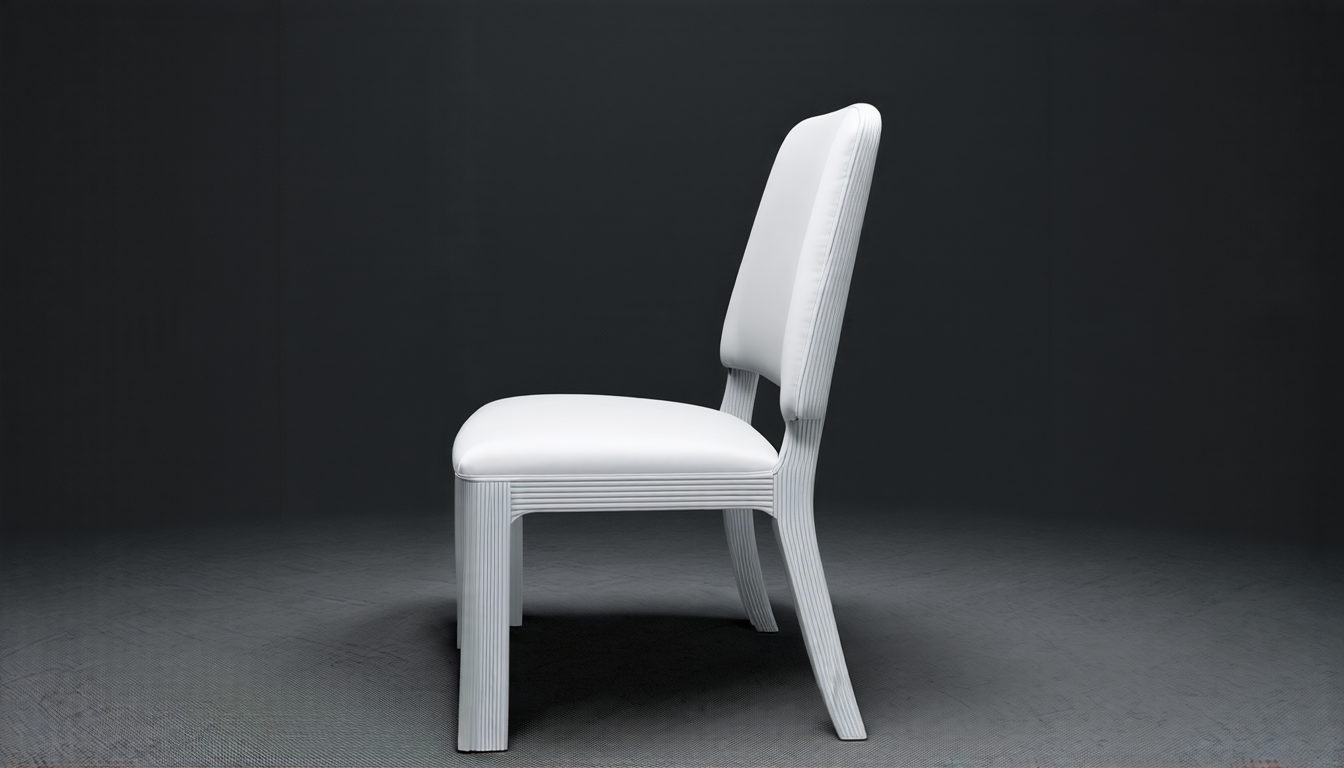
The researchers behind this breakthrough have tested their method on a range of objects, from simple shapes to complex scenes like airplanes and chairs. The results are stunning – the generated models look incredibly realistic, with intricate details that would be impossible to achieve using traditional methods.
But what does this mean for the average person? Well, it could revolutionize the way we interact with computer-generated images. For example, architects could use this technology to create detailed models of buildings and cities, allowing them to test different designs and make changes before breaking ground. Filmmakers could use it to create realistic special effects, without having to spend hours in post-production editing.
The possibilities are endless, but for now, the researchers behind this breakthrough are excited to see where their technology will take us. With its potential to revolutionize the way we create and interact with computer-generated images, this new approach is sure to have a lasting impact on our world.
One of the most impressive aspects of this technology is its ability to capture the intricate details of an object’s surface. This is achieved through the use of wavelet decomposition, which allows researchers to break down the object into its basic components and then reassemble them in a way that looks incredibly realistic.
The results are stunning – the generated models look incredibly realistic, with intricate details that would be impossible to achieve using traditional methods. The researchers have tested their method on a range of objects, from simple shapes to complex scenes like airplanes and chairs.
Cite this article: “Unlocking the Secrets of Shape Generation: A Novel Approach to Efficient 3D Modeling”, The Science Archive, 2025.
Computer-Generated Images, Spectral-Domain Diffusion Modeling, Wavelet Decomposition, Realistic Models, 3D Objects, Scenes, Data Efficiency, Computational Cost, Graphics Rendering, Image Synthesis, Artificial Intelligence.





