

Tuesday 08 April 2025
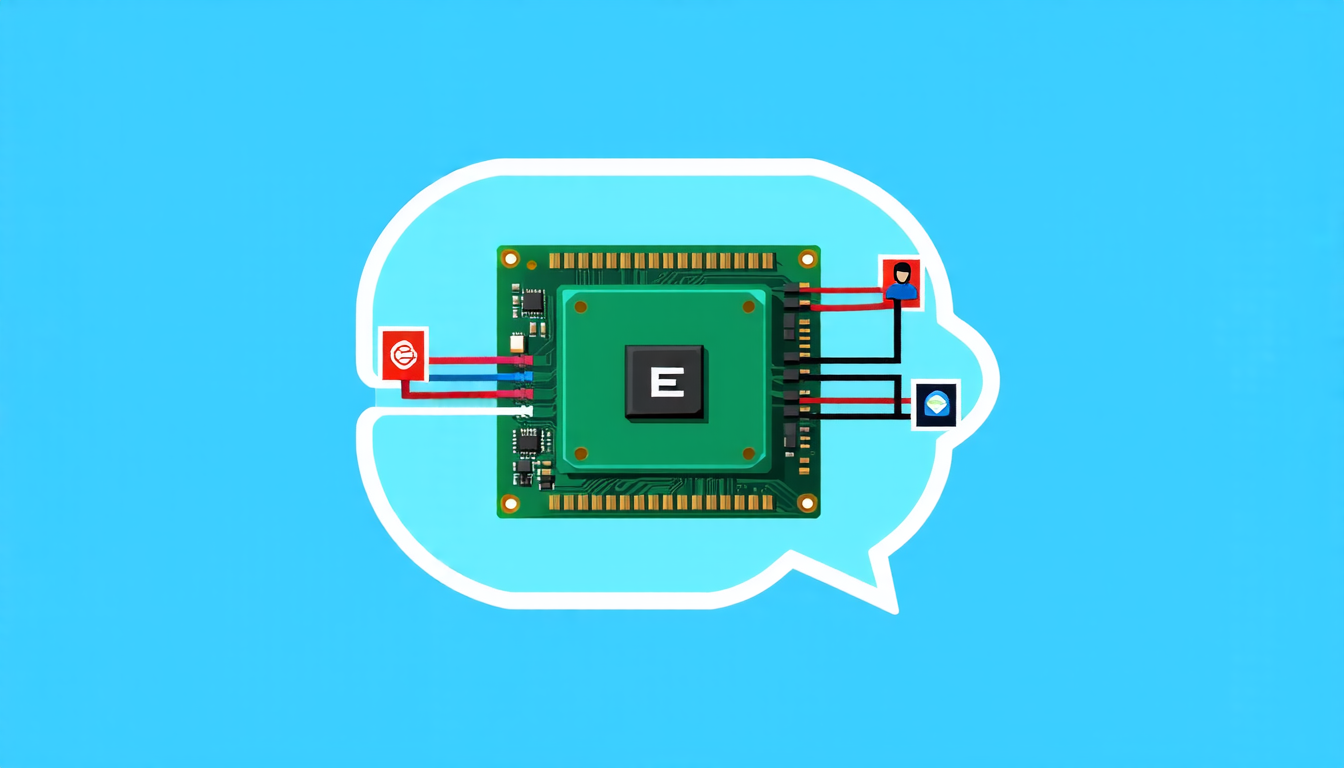
The Mixture of Frozen Experts (MoFE) architecture, a novel approach to training large language models, has been gaining attention in recent months. By combining parameter-efficient fine-tuning (PEFT) and the Mixture of Experts (MoE) architecture, MoFE aims to enhance both training efficiency and model scalability.
The authors behind MoFE propose that this hybrid strategy can significantly reduce the number of trainable parameters, improving training efficiency while still allowing for effective knowledge transfer from expert models. This approach is particularly useful in resource-constrained environments where computational resources are limited.
In their research, the team used a medium-sized model with four expert models to examine how performance shifts with varying numbers of frozen FFN blocks. They found that the fully updated model demonstrated the best performance, but performance did not consistently correlate with the number of frozen FFN blocks as expected.
One potential issue with MoFE is its potential for catastrophic forgetting, where a model forgets previously learned information during fine-tuning. To mitigate this, the authors suggest using post-pretraining methods to improve knowledge transfer between expert models and the MoFE framework.
Another challenge MoFE faces is its limited scalability. While it can reduce the number of trainable parameters, the architecture’s complexity may still limit its applicability in extremely large-scale language models.
Despite these limitations, MoFE shows promise as a viable solution for resource-constrained environments where computational resources are limited. Its ability to reduce the size of trainable parameters while maintaining model performance makes it an attractive option for those looking to improve training efficiency without sacrificing accuracy.
The authors’ use of multiple expert models and instruction-tuning also highlights the potential benefits of multi-domain knowledge transfer in large language models. By leveraging existing domain expertise, MoFE can facilitate the creation of multi-domain proficient models with minimal further training.
As researchers continue to explore novel approaches to language model training, MoFE remains an intriguing option for those seeking to improve efficiency and scalability without sacrificing performance. While it may not be a silver bullet solution, its potential benefits make it an architecture worth examining in more detail.
Cite this article: “Unlocking Efficient Language Models: A Study on Mixture-of-Experts Architecture”, The Science Archive, 2025.
Language Models, Mofe, Peft, Moe, Parameter-Efficient Fine-Tuning, Mixture Of Experts, Frozen Experts, Knowledge Transfer, Catastrophic Forgetting, Scalability.
Reference: Jean Seo, Jaeyoon Kim, Hyopil Shin, “MoFE: Mixture of Frozen Experts Architecture” (2025).





