

Tuesday 08 April 2025
Artificial intelligence has long been touted as a tool for making decisions, but what about when those decisions are fraught with bias? Researchers have been working on ways to inject fairness into machine learning models, and a new paper proposes an innovative approach.
Traditional methods of addressing bias in AI typically involve tweaking the algorithm or adding constraints during training. However, these approaches often come with trade-offs: accuracy might suffer if fairness is prioritized too heavily, or vice versa. This latest research tackles this problem by introducing a new type of model that can dynamically adjust its level of fairness on the fly.
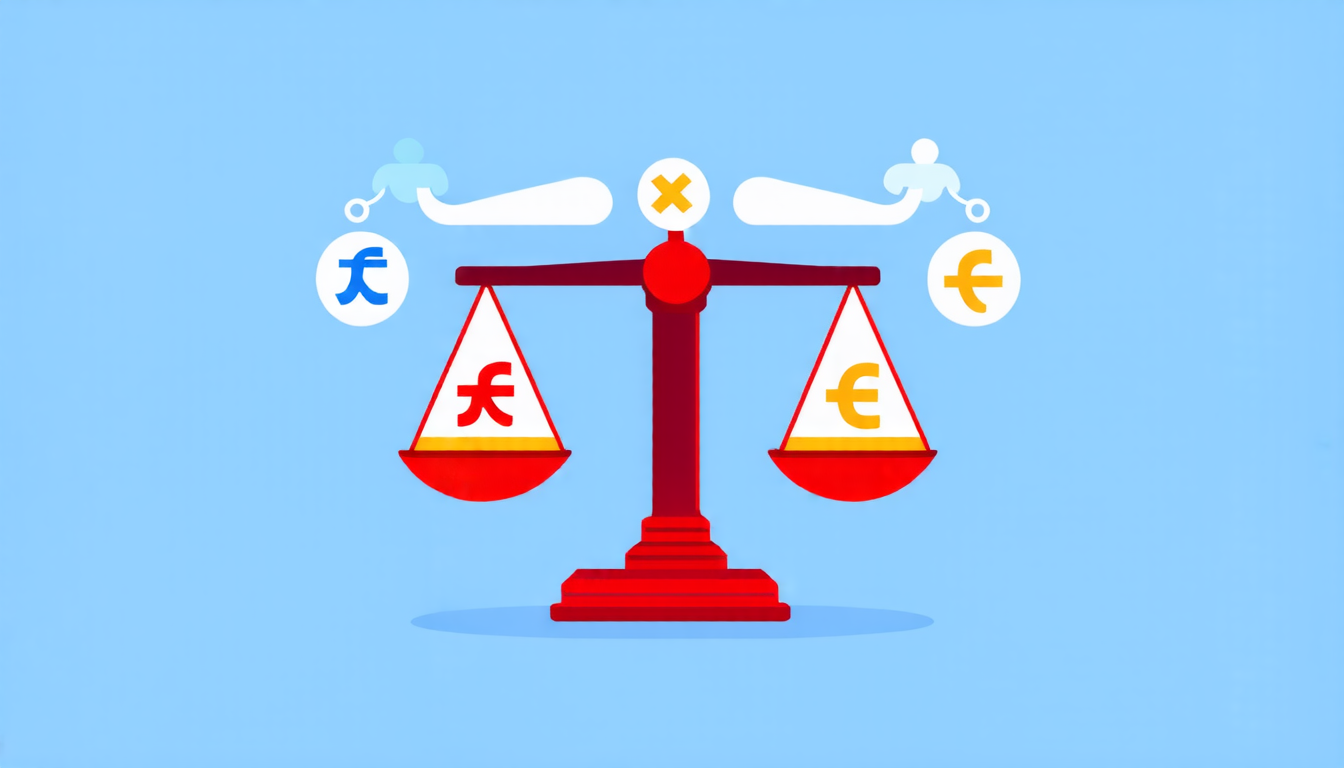
The idea is to create a single model that can balance two competing goals: maximizing accuracy and minimizing bias. To achieve this, the researchers developed a novel architecture that combines two separate models in a clever way. One model is optimized for accuracy, while the other is designed to promote fairness. The twist lies in how these models interact during inference.
The model is trained with a special type of sampling that allows it to generate predictions at different levels of fairness. This means that when deployed, the AI can adjust its level of fairness depending on the specific situation or individual. For instance, if a user wants more accurate results but is willing to tolerate some bias, the model can adapt to provide those results.
The researchers tested their approach on several datasets and found it to be surprisingly effective. Not only did the model achieve impressive accuracy, but it also demonstrated a high degree of fairness across different demographic groups. Moreover, the model was able to dynamically adjust its level of fairness in response to changing inputs or user preferences.
One of the most intriguing aspects of this research is its potential applications. Imagine being able to deploy AI models that can adapt to specific use cases or environments, all while maintaining a high level of fairness and accuracy. This could have far-reaching implications for fields like healthcare, finance, and education, where biased decision-making can have devastating consequences.
Of course, there are still challenges to be addressed before this technology becomes widely adopted. For one, the model requires access to sensitive attributes during training, which raises concerns about data privacy and security. Additionally, the researchers acknowledge that their approach may not work for all types of biases or datasets.
Despite these limitations, this research represents a significant step forward in addressing bias in AI. By providing a flexible framework for balancing accuracy and fairness, the model offers a powerful tool for developers and policymakers seeking to create more equitable decision-making systems.
Cite this article: “Fairness in Deep Learning: A Novel Approach to Achieving Adaptive Accuracy-Fairness Trade-Offs”, The Science Archive, 2025.
Artificial Intelligence, Bias, Machine Learning, Fairness, Accuracy, Algorithm, Constraints, Training, Sampling, Inference.





