

Tuesday 08 April 2025
Scientists have made a significant breakthrough in robotic manipulation, enabling robots to learn new skills without forgetting previously acquired ones. This achievement has far-reaching implications for the development of advanced robotic systems that can assist humans in various tasks.
The research team created an innovative framework called iManip, which stands for skill-incremental learning for robotic manipulation. The goal was to design a system that could adapt to new situations and learn from experience without compromising its existing knowledge. To achieve this, they developed a unique approach that combines machine learning and robotics.
The first step in the process is to create a comprehensive database of robotic skills. These skills are categorized into different levels of complexity, ranging from simple actions like grasping objects to more complex tasks such as manipulating tools. The team then used machine learning algorithms to analyze the skills and identify patterns and relationships between them.
Once the skills have been analyzed, the system can begin to learn new ones. This is done by providing the robot with a series of demonstrations of the desired skill, along with instructions on how to perform it. The robot then uses this information to generate its own set of actions, which are evaluated based on their accuracy and effectiveness.
The key innovation in iManip is its ability to balance the learning process between new skills and previously acquired ones. This is achieved through a sophisticated algorithm that adjusts the weight given to each skill based on its relevance to the current task. This ensures that the robot can adapt to new situations without forgetting what it has learned before.
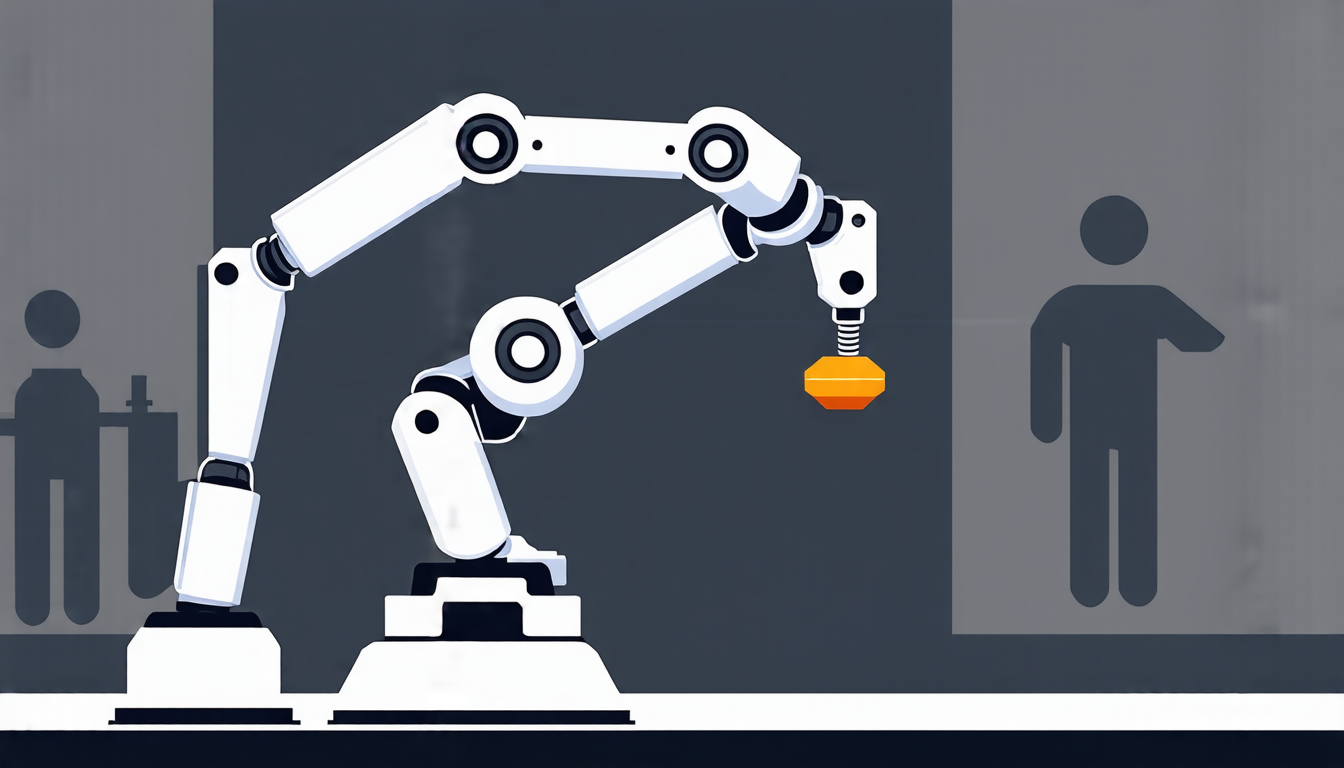
To test the effectiveness of iManip, the team conducted experiments using a robotic arm equipped with a gripper and a camera. The robot was trained to perform a series of tasks, including picking up objects, moving them around, and placing them in specific locations. The results were impressive, with the robot able to learn new skills quickly and accurately without compromising its existing knowledge.
The implications of this research are significant. With iManip, robots could be used to assist humans in a wide range of applications, from manufacturing and healthcare to search and rescue operations. They could also be designed to work together seamlessly, sharing their skills and knowledge to accomplish complex tasks.
In the future, scientists plan to build upon this breakthrough by developing more advanced robotic systems that can learn and adapt even faster. With iManip, the possibilities for robotics are endless, and we can expect to see significant advancements in the field in the coming years.
Cite this article: “Reinforcing Robotic Manipulation: A Skill-Incremental Approach to Learning Complex Tasks”, The Science Archive, 2025.
Robotics, Manipulation, Robotic Arm, Machine Learning, Algorithms, Skill Acquisition, Incremental Learning, Robotics Development, Artificial Intelligence, Automation





