

Tuesday 08 April 2025
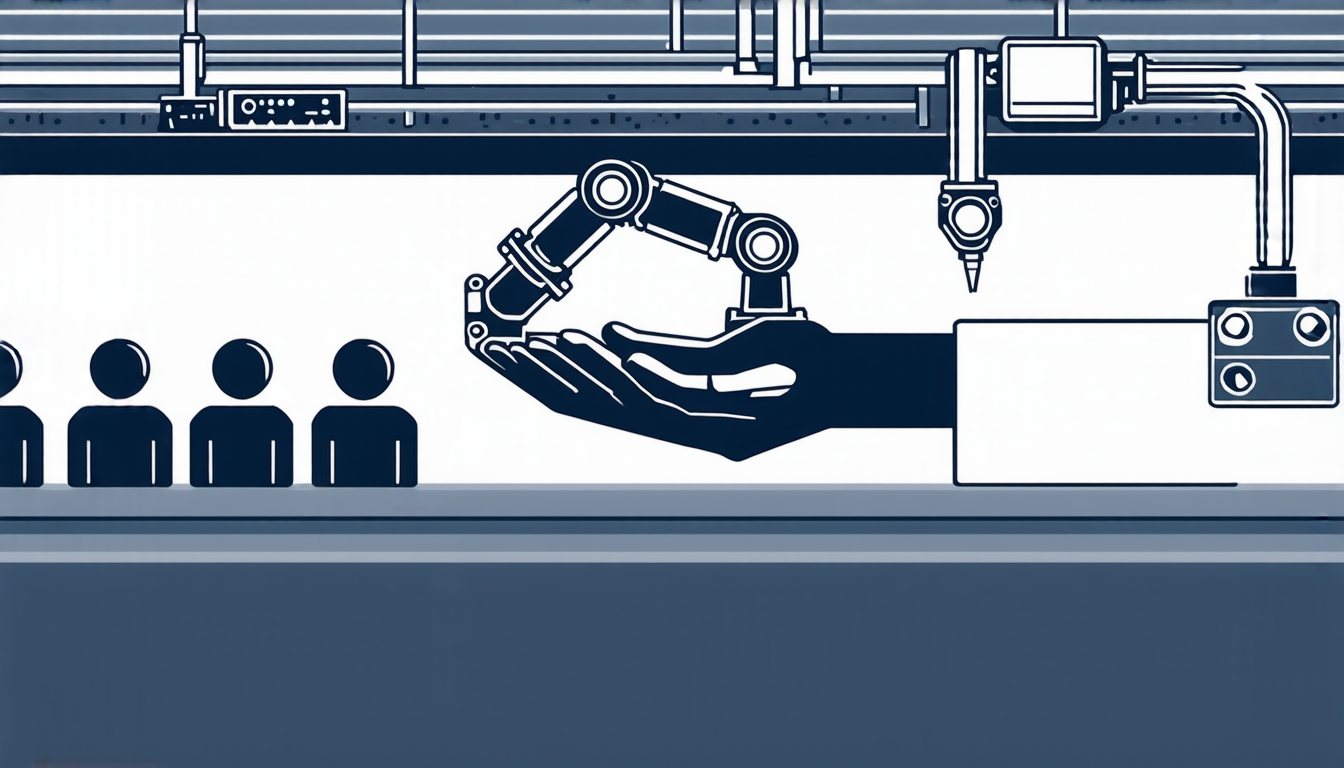
As we move into a future where humans and robots work together more closely, it’s crucial that we develop systems that can efficiently coordinate their efforts. A team of researchers has made significant progress in this area by creating an innovative planning system that optimizes task allocation and scheduling for human-robot collaboration.
The new approach is designed to take into account the strengths and weaknesses of both humans and robots, as well as the specific tasks they need to complete. By analyzing data on the capabilities of each agent, the system can predict which tasks are best suited to each one’s skills and abilities. This ensures that the most efficient use is made of resources and minimizes potential bottlenecks.
One key aspect of the system is its ability to learn from experience. As it observes how humans and robots interact and complete tasks, it adapts its planning strategy to optimize performance over time. This means that the system becomes increasingly effective at allocating tasks and scheduling workflows as it gains more data.
The researchers tested their system in a simulated assembly line environment, where human operators and robotic agents worked together to assemble electronic components. The results were impressive, with the optimized planning system leading to significant reductions in production times and increased productivity.
But what does this mean for us? In industries that rely heavily on collaboration between humans and robots, such as manufacturing or healthcare, more efficient task allocation can have a major impact on productivity and efficiency. It could also enable the development of new applications where human-robot cooperation is essential.
The researchers’ approach has far-reaching implications beyond just improving production processes. As we move towards a future where automation plays a larger role in our daily lives, it’s crucial that we develop systems that can effectively integrate humans and machines. This research takes us one step closer to achieving that goal.
In the past, human-robot collaboration was often limited by the need for complex programming and manual intervention. But as technology advances, we’re seeing more and more examples of seamless integration between humans and robots. The researchers’ system is just one example of how this can be achieved, and it’s an exciting development that could have major implications for a wide range of industries.
Cite this article: “Synergistic Task Planning for Human-Robot Collaboration: A Novel Approach to Enhance Efficiency and Safety in Industrial Environments”, The Science Archive, 2025.
Human-Robot Collaboration, Task Allocation, Scheduling, Optimization, Planning System, Machine Learning, Production Efficiency, Productivity, Automation, Workflow Management





