
Tuesday 08 April 2025
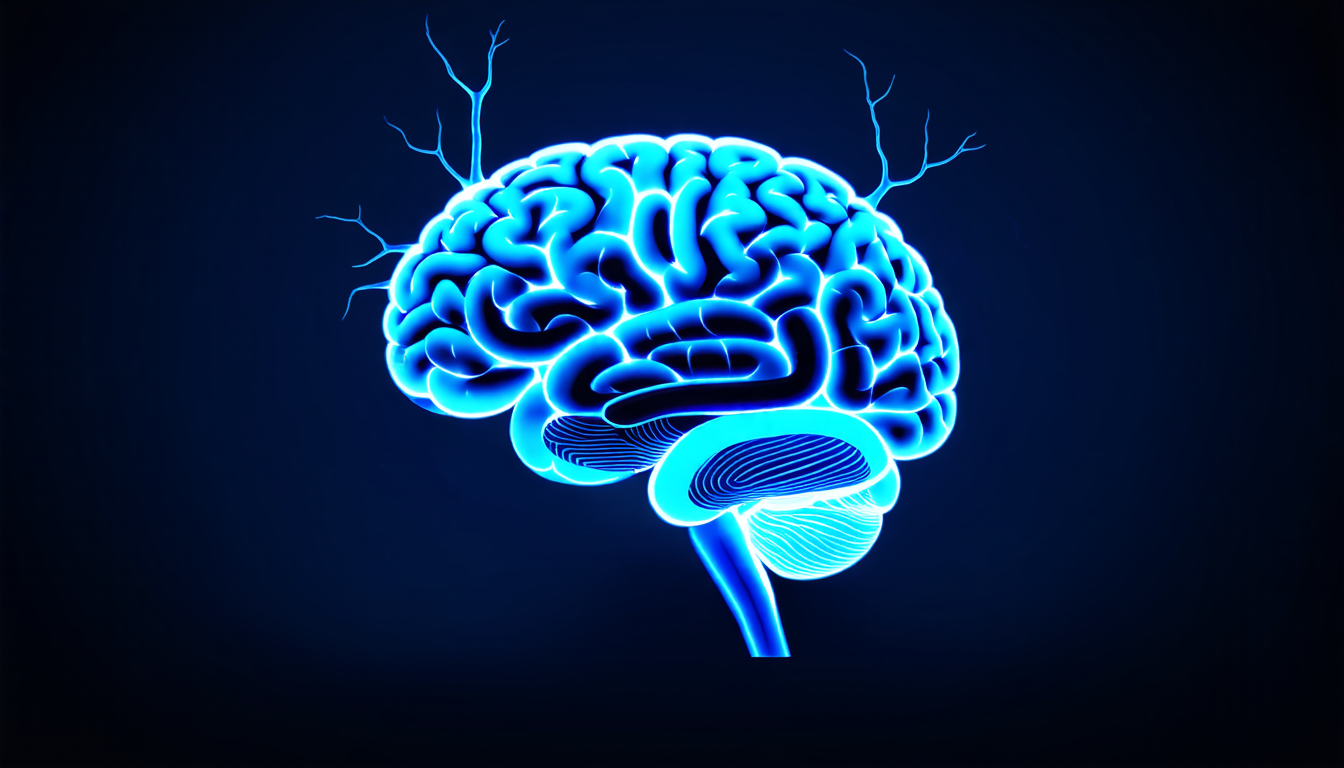
For years, scientists have been trying to crack the code of the human brain’s most complex structures – the brain nuclei. These tiny clusters of neurons are responsible for controlling our emotions, movements, and even our thoughts. But until now, they’ve been notoriously difficult to map out.
That’s because each brain is unique, like a fingerprint, making it hard to create an atlas that can be applied universally. Traditionally, researchers have relied on manual segmentation methods, which are time-consuming and prone to human error.
But a team of scientists has developed a new approach that uses artificial intelligence (AI) to automatically identify and parcellate the brain nuclei. Their method, called DeepNuParc, uses a combination of machine learning algorithms and diffusion magnetic resonance imaging (dMRI) data to create a high-resolution map of the brain’s internal structure.
The process starts with dMRI scans, which capture the movement of water molecules in the brain. From these scans, the AI algorithm extracts features that describe the connectivity patterns between different brain regions. The algorithm then uses these features to identify and group similar patterns together, effectively creating a hierarchical structure of the brain nuclei.
One of the key innovations behind DeepNuParc is its ability to handle the complexity of individual brain variability. By using a deep learning approach, the algorithm can learn to recognize subtle patterns in the data that might be missed by traditional methods.
The results are impressive. The team was able to create a highly detailed atlas of the amygdala and thalamus – two brain regions known for their complex internal structures. Their map shows remarkable consistency across different subjects, suggesting that it could be used as a reference point for future research.
This new approach has far-reaching implications for neuroscience and psychiatry. By providing a standardized way to identify and study individual brain nuclei, researchers can gain a better understanding of how the brain works in both health and disease. This knowledge could ultimately lead to more effective treatments for conditions such as depression, anxiety disorders, and Parkinson’s disease.
In addition to its scientific potential, DeepNuParc also highlights the power of collaboration between computer scientists and neuroscientists. By combining their expertise, researchers can develop innovative solutions that might not have been possible within a single discipline.
As we continue to unravel the mysteries of the human brain, methods like DeepNuParc will play an increasingly important role in advancing our understanding of this complex organ.
Cite this article: “Automated Parcellation of Brain Nuclei Using Deep Learning and Diffusion MRI Tractography”, The Science Archive, 2025.
Artificial Intelligence, Brain Nuclei, Neuroscience, Psychiatry, Machine Learning, Diffusion Magnetic Resonance Imaging, Dmri, Deep Learning, Brain Atlas, Neural Connectivity