
Tuesday 08 April 2025
The quest for hidden patterns in data has led researchers to develop a new method that can uncover subtle changes within functional data – think of it as analyzing the ups and downs of stock prices or brain activity over time. The approach, known as change-plane analysis, allows scientists to identify subgroups within a population and test whether these groups exhibit different behaviors.
Functional data refers to information that varies over time or space, such as the fluctuations in a person’s heart rate or the patterns of brain activity while performing a task. Analyzing this type of data can provide valuable insights into complex systems and processes. However, traditional methods often struggle to identify subtle changes within these datasets, leading researchers to develop new techniques.
Change-plane analysis uses a combination of mathematical techniques, including reproducing kernel Hilbert spaces and alternating direction methods of multipliers, to uncover hidden patterns in functional data. The method can be applied to a wide range of fields, from finance to medicine, where understanding subtle changes within data is crucial.
One key advantage of change-plane analysis is its ability to identify subgroups within a population that exhibit different behaviors. This could be particularly useful in medical research, where identifying subgroups with distinct disease progression patterns could lead to more targeted and effective treatments. In finance, the method could help investors identify groups of stocks that are likely to perform differently under certain market conditions.
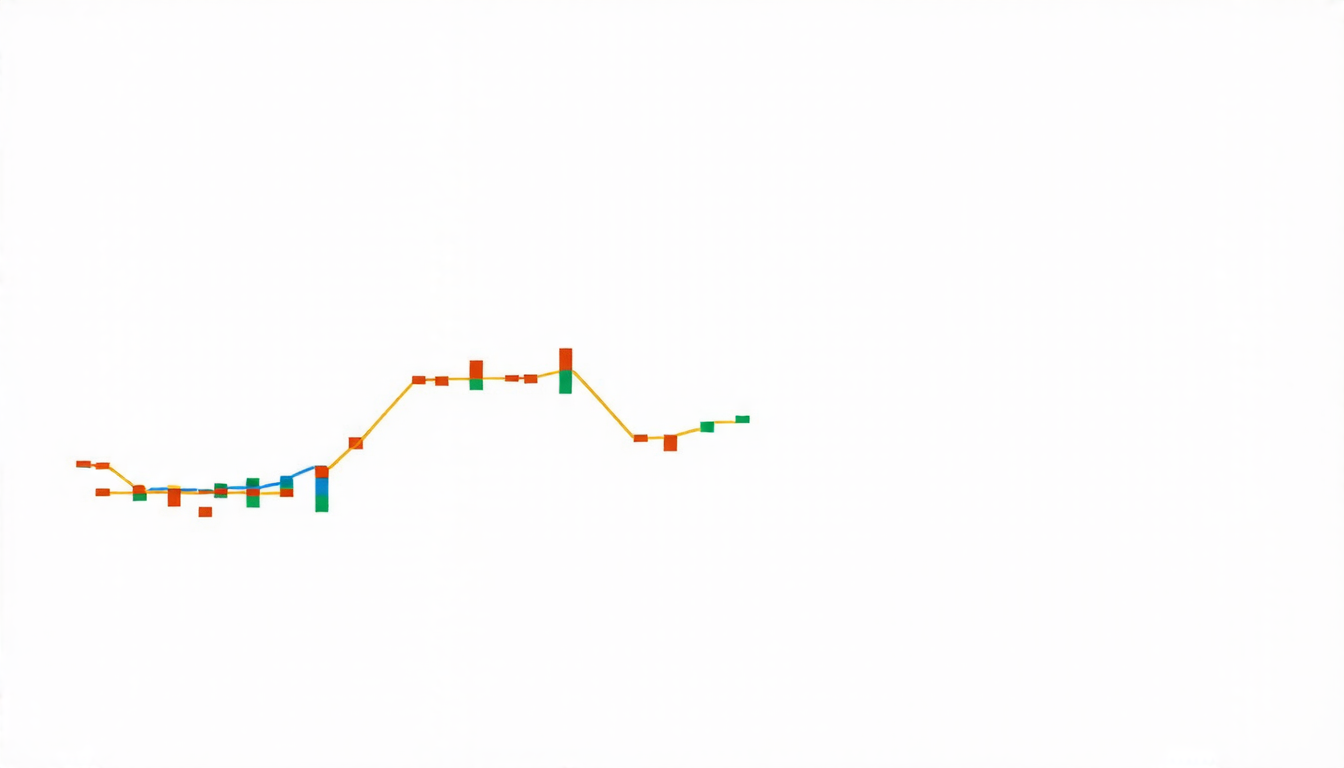
The researchers used simulated data to test the efficacy of their new approach, as well as real-world datasets from the Shanghai stock exchange and a study on COVID-19. The results showed that change-plane analysis was able to accurately identify subgroups within these datasets, even when the changes were subtle.
This new method has significant implications for a range of fields, from medicine to finance. By uncovering hidden patterns in functional data, researchers can gain a deeper understanding of complex systems and processes, leading to more accurate predictions and targeted interventions. As our ability to collect and analyze large amounts of data continues to grow, methods like change-plane analysis will become increasingly important tools for scientists and policymakers alike.
The development of this new approach is just one example of the innovative ways that researchers are pushing the boundaries of data analysis. By combining mathematical techniques and computational power, scientists can uncover hidden patterns and insights within even the most complex datasets. As our understanding of these methods continues to grow, we can expect to see significant breakthroughs in a wide range of fields.
Cite this article: “Unveiling Hidden Patterns in Functional Data: A Novel Change-Plane Analysis Approach”, The Science Archive, 2025.
Data Analysis, Functional Data, Change-Plane Analysis, Mathematical Techniques, Reproducing Kernel Hilbert Spaces, Alternating Direction Methods Of Multipliers, Subgroup Identification, Disease Progression Patterns, Financial Market Predictions, Covid-19 Research.