
Wednesday 09 April 2025
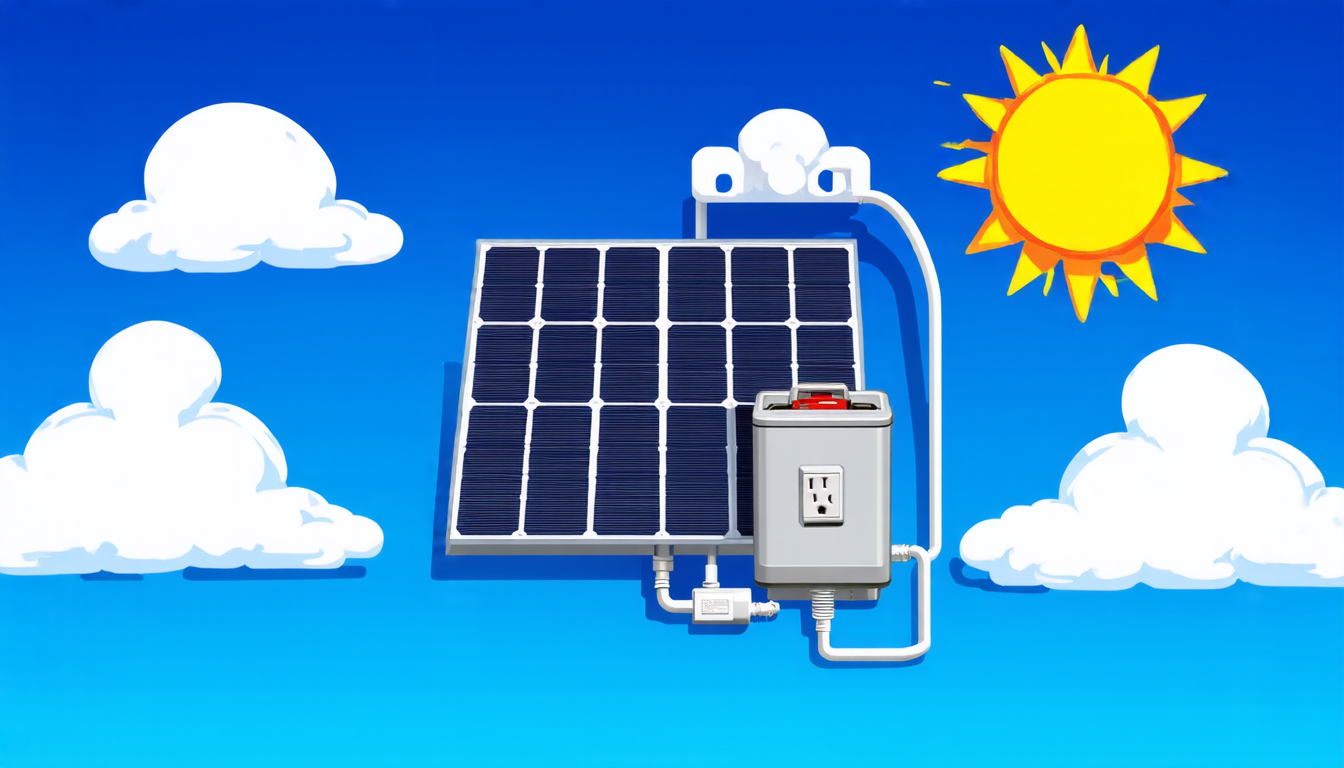
The article discusses a new approach to managing energy storage in photovoltaic systems, which is designed to minimize energy consumption costs for self-consumption groups. The researchers used a stochastic optimal control problem to model the behavior of the photovoltaic system and the battery, taking into account the variability of solar radiation and electricity prices.
The authors found that the optimal management strategy involves charging or discharging the battery based on the marginal profit or cost of energy storage. When the marginal profit is positive, it is optimal to discharge the battery at its maximum rate, while when the marginal cost is negative, it is optimal to charge the battery up to a certain level.
The model was tested using real-world data from Italy and simulations showed that the proposed strategy can reduce energy consumption costs by up to 53%. The results suggest that this approach could be particularly beneficial for self-consumption groups with high levels of photovoltaic production, such as condominiums or apartment buildings.
One of the key challenges in implementing this strategy is the need for accurate forecasts of solar radiation and electricity prices. The authors suggest using machine learning algorithms to improve forecasting accuracy, which would allow for more precise optimization of energy storage management.
The article highlights the potential benefits of this approach for reducing energy consumption costs and promoting the adoption of renewable energy sources. By optimizing energy storage management, self-consumption groups can reduce their reliance on fossil fuels and contribute to a more sustainable energy future.
In addition to its practical applications, the research has broader implications for our understanding of complex systems and optimization problems. The authors demonstrate that by using stochastic optimal control techniques, it is possible to develop highly effective solutions for managing complex systems with multiple variables and uncertainties.
The article’s findings have significant potential for real-world impact, particularly in regions where renewable energy sources are becoming increasingly important. As the world continues to transition towards a more sustainable energy future, this research provides valuable insights into how we can optimize energy storage management and reduce our reliance on fossil fuels.
Cite this article: “Unlocking the Secrets of Optimal Energy Storage Management in Renewable Energy Communities”, The Science Archive, 2025.
Photovoltaic Systems, Energy Storage, Optimal Control Problem, Stochastic Modeling, Solar Radiation, Electricity Prices, Machine Learning, Renewable Energy, Self-Consumption Groups, Optimization Algorithms