
Wednesday 09 April 2025
Scientists have long been fascinated by the intricate dance of hormones and proteins that govern plant growth. A new study sheds light on this complex process, revealing how plants adapt to changing environments and optimize their development.
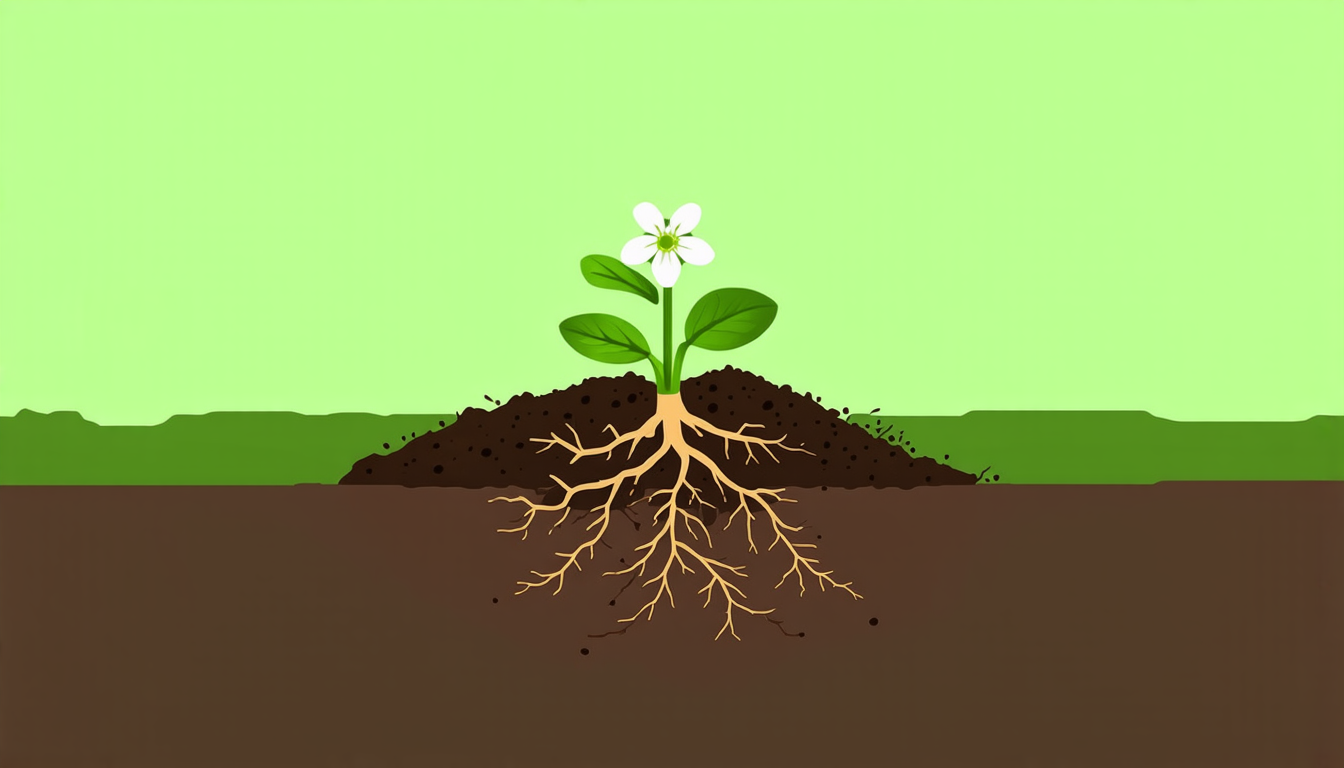
Researchers focused on Arabidopsis thaliana, a small flowering plant that thrives in soil with limited phosphate availability. Phosphate is essential for plant growth, but when levels are low, plants must adjust to survive. One way they do this is by growing longer root hairs, which increase the surface area for absorbing nutrients.
The team created a computer model of the plant’s regulatory network using Petri nets, a mathematical framework that simulates complex biological processes. By analyzing how different hormones and proteins interacted, they were able to pinpoint the key players in phosphate-starvation responses.
One protein, RSL4, emerged as a crucial regulator of root hair growth. When phosphate levels are low, RSL4 is produced in pulses, triggering a cascade of events that ultimately lead to longer root hairs. The researchers found that this process involves a delicate balance between hormone signaling and protein interactions.
Another important player is the ethylene pathway, which helps regulate plant responses to stressors like phosphate deficiency. Ethylene promotes root hair growth by stimulating the production of RSL4 and other proteins involved in the process.
The study’s findings have significant implications for our understanding of plant development and adaptation. By identifying key regulatory nodes and pathways, researchers can develop targeted strategies to improve crop yields and resilience in challenging environments.
For example, breeding crops that produce more RSL4 in response to phosphate starvation could enhance their ability to thrive in low-phosphate soils. Similarly, manipulating the ethylene pathway could help plants adapt to a range of environmental stressors.
The research also highlights the importance of understanding plant biology at the molecular level. By deciphering the complex interactions between hormones and proteins, scientists can develop more effective solutions for improving crop productivity and sustainability.
As we continue to face challenges in feeding a growing global population, this study demonstrates the power of interdisciplinary approaches in advancing our knowledge of plant biology. By combining cutting-edge computational tools with rigorous experimental research, scientists are unlocking the secrets of plant development and paving the way for innovative agricultural solutions.
Cite this article: “Unlocking the Secrets of Root Hair Growth: A Petri Net Model of Phosphate-Starvation Response in Arabidopsis”, The Science Archive, 2025.
Plant Growth, Hormones, Proteins, Arabidopsis Thaliana, Phosphate Availability, Root Hair Growth, Ethylene Pathway, Crop Yields, Environmental Stressors, Plant Development