

Wednesday 09 April 2025
A new approach to medical diagnosis is emerging, one that relies on artificial intelligence and multimodal language models. These models are capable of processing both images and text, allowing them to learn complex patterns and relationships between different types of data.
The latest development in this field comes from a team of researchers who have designed a system called LLaVA- RadZ. This system is specifically tailored for zero-shot medical disease recognition, meaning it can identify diseases without having seen any examples of those specific conditions before.
To achieve this, the researchers used a combination of techniques, including an end-to-end training strategy and a domain knowledge anchoring module. The former allows the model to learn from both images and text simultaneously, while the latter enables it to incorporate medical knowledge into its decision-making process.
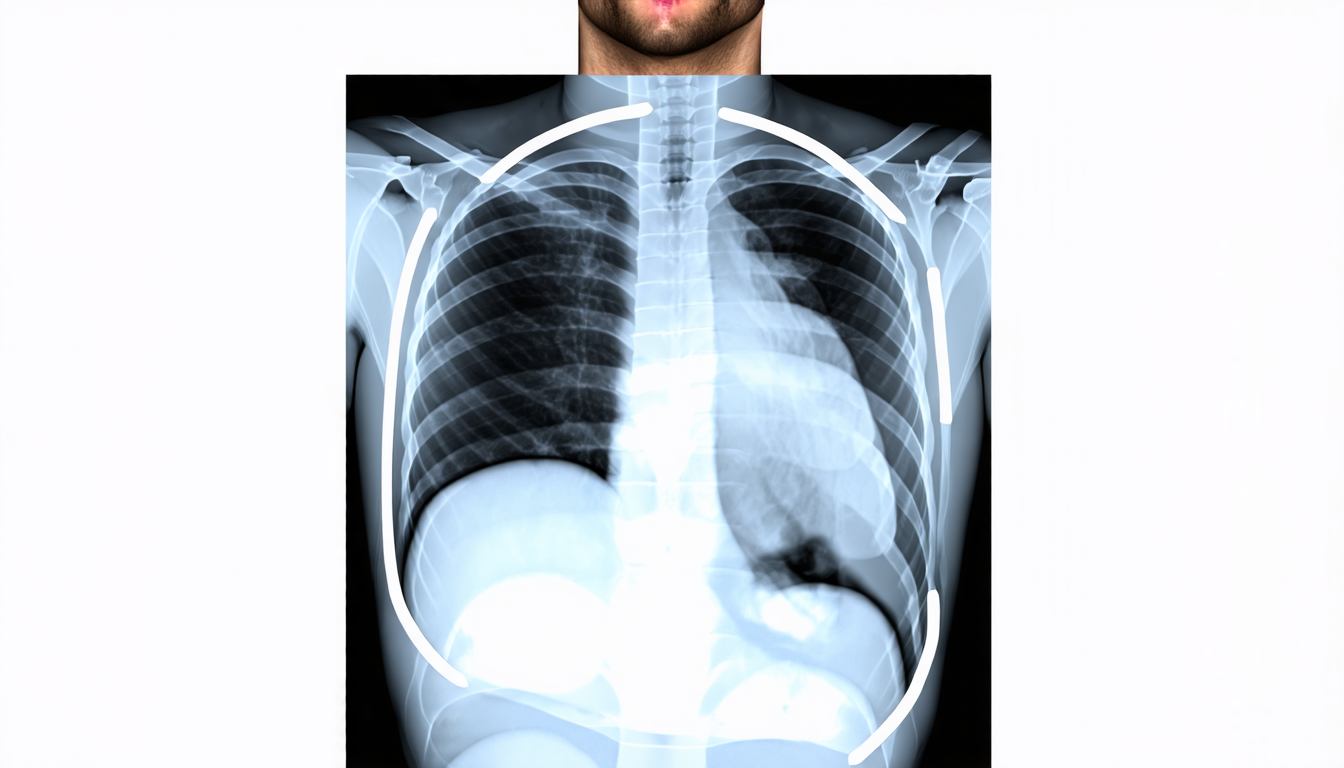
The team tested their system on several benchmark datasets, including ChestXray-14, which contains over 112,000 chest X-ray images with corresponding text reports. The results were impressive, with LLaVA-RadZ outperforming traditional multimodal language models and achieving state-of-the-art performance in zero-shot disease recognition.
But what does this mean for medical diagnosis? In the past, doctors have relied heavily on their own expertise and experience to diagnose patients. However, even the most skilled clinicians can make mistakes. With LLaVA-RadZ, doctors could potentially use this system as a tool to aid them in their diagnoses, freeing up more time for high-level decision making.
Moreover, this technology has the potential to revolutionize healthcare in developing countries where access to medical expertise is limited. By providing accurate and reliable diagnoses, LLaVA-RadZ could help bridge the gap between urban and rural areas, ensuring that patients receive the care they need regardless of their location.
The implications of this research are far-reaching, with the potential to transform the way we approach medical diagnosis. As our understanding of AI and its capabilities continues to evolve, it will be exciting to see how this technology is developed and implemented in the years to come.
This system may not replace human doctors just yet, but it could certainly help them make more accurate diagnoses. And with the potential to improve healthcare outcomes around the world, LLaVA-RadZ is a development that warrants attention from both researchers and medical professionals alike.
Cite this article: “Unlocking the Power of Multimodal Large Language Models in Radiology: A New Era for Zero-Shot Disease Recognition?”, The Science Archive, 2025.
Artificial Intelligence, Medical Diagnosis, Multimodal Language Models, Llava-Radz, Zero-Shot Disease Recognition, Chest X-Ray Images, Text Reports, Machine Learning, Healthcare, Medical Expertise





