

Wednesday 09 April 2025
A new era in nuclear medicine is dawning, one that promises to revolutionize our approach to diagnosing and treating diseases. Researchers have been working on developing artificial intelligence (AI) agents specifically designed for nuclear medicine, and the results are nothing short of astonishing.
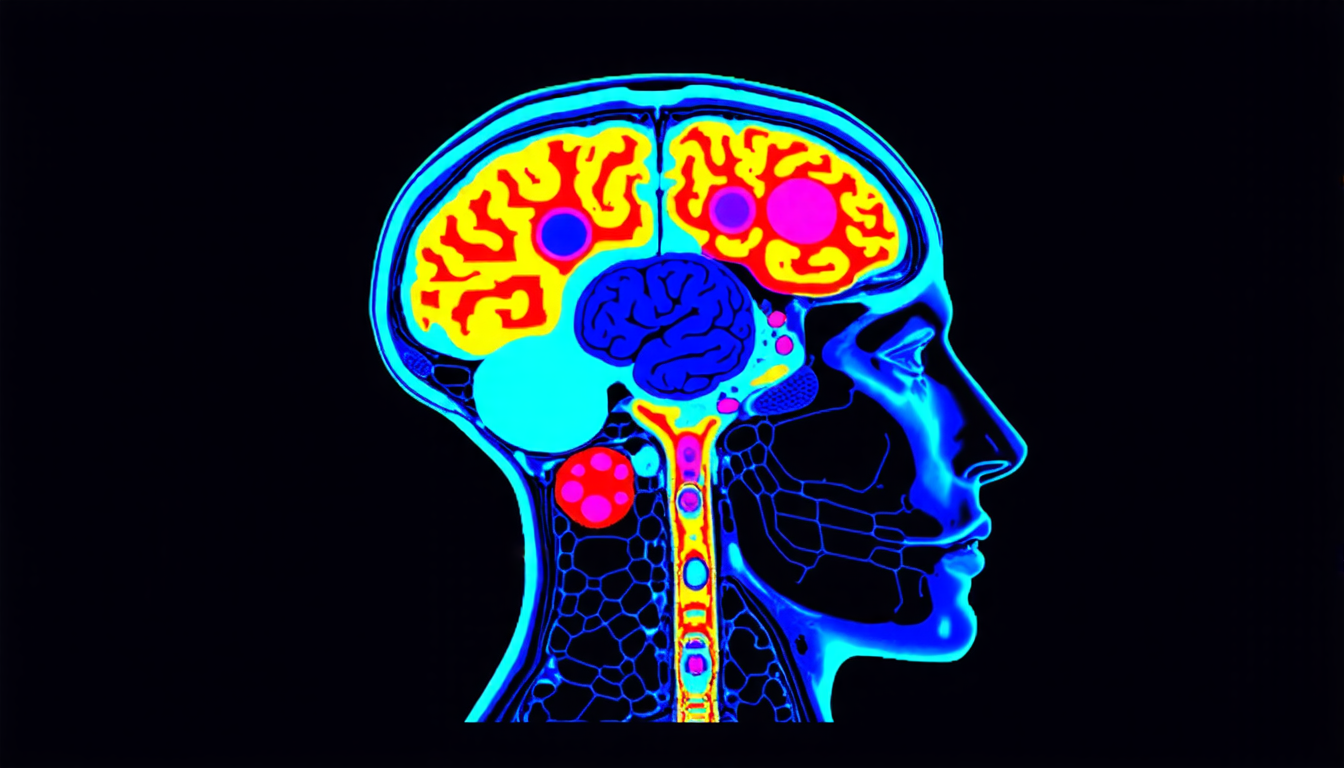
The AI agents are being trained on vast amounts of data from various sources, including clinical trials, research publications, and genomic databases. This data is then used to develop perception modules that can analyze medical images, such as PET-CT scans, and identify patterns and trends that would be impossible for human experts to detect.
One of the key challenges in developing AI agents for nuclear medicine is dealing with demographic diversity. Patients from different regions have distinct genetic, cultural, and environmental factors that affect disease manifestation and treatment response. The AI agents are being designed to account for these differences by incorporating demographic data into their training sets.
Another crucial aspect of the AI agents is their ability to interact with human experts. This interaction is essential for educating radiation safety and technology officers about AI applications in nuclear medicine, as well as providing feedback on the agent’s performance. The AI agents are being designed to learn from experience, adapting to new situations and refining their decision-making processes over time.
The potential benefits of these AI agents are vast. They could optimize data-driven research and clinical decision-making, leading to more accurate diagnoses and personalized treatments. They could also streamline clinical workflows, reducing the administrative burden on clinicians and freeing up resources for more complex tasks.
But perhaps the most significant impact of these AI agents will be their ability to democratize access to advanced nuclear medicine technologies. Currently, these technologies are often limited to large metropolitan areas, leaving many rural communities without access to the latest diagnostic tools. The AI agents could change this by providing a scalable and cost-effective solution for diagnosing and treating diseases.
The development of these AI agents is still in its early stages, but the potential benefits are undeniable. As researchers continue to refine their design and training, we can expect to see significant advances in nuclear medicine over the coming years.
Cite this article: “Unlocking the Potential of AI in Nuclear Medicine: A Game-Changer for Indias Cancer Care”, The Science Archive, 2025.
Artificial Intelligence, Nuclear Medicine, Medical Imaging, Pet-Ct Scans, Disease Diagnosis, Personalized Treatment, Clinical Decision-Making, Radiation Safety, Technology, Genomics.





