
Wednesday 09 April 2025
The hum of a gas turbine engine, the whir of its blades, and the hiss of air escaping – it’s a familiar soundtrack for many industries, from power generation to aviation. But behind the scenes, engineers are working tirelessly to keep these machines running smoothly, predicting when they’ll fail before disaster strikes.
Enter multivariate functional data analysis (MFDA), a new approach that combines machine learning with mathematical models to forecast the remaining useful life of complex systems like gas turbines. By analyzing how sensors detect subtle changes in an engine’s performance over time, MFDA can identify early warning signs of degradation and predict when maintenance is needed.
Researchers have been testing this method on NASA’s C-MAPSS dataset, a treasure trove of data collected from real-world aircraft engines. They’ve found that MFDA outperforms traditional methods, providing more accurate predictions and better insights into the underlying causes of engine failure.
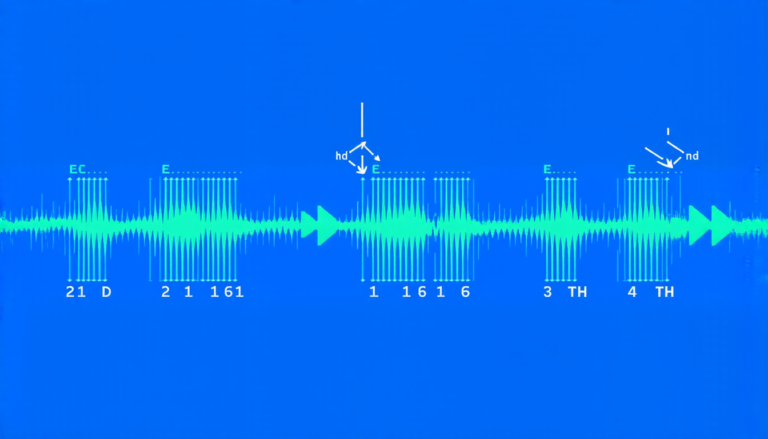
One key advantage of MFDA is its ability to handle multiple sensors collecting data simultaneously. In the case of gas turbines, this means combining information from temperature probes, pressure gauges, and vibration sensors to create a comprehensive picture of an engine’s health.
By analyzing these sensor readings as functions over time, MFDA can identify patterns that might be missed by traditional methods. For instance, the rate at which an engine’s vibration frequency changes could indicate whether it’s nearing the end of its lifespan or not.
But MFDA isn’t just about predicting failure – it also helps engineers understand how and why engines degrade in the first place. By analyzing the relationships between different sensor readings, researchers can identify key indicators of wear and tear, allowing them to develop targeted maintenance strategies.
In practice, this means that instead of performing routine maintenance at fixed intervals, engineers could wait until an engine is showing clear signs of degradation before intervening. This approach not only saves time and resources but also reduces the risk of premature failure – a significant advantage for industries where downtime can be costly and safety-critical.
As researchers continue to refine MFDA and apply it to new domains, we can expect to see even more innovative applications in fields like medicine, finance, and environmental monitoring. By harnessing the power of multivariate functional data analysis, scientists are taking the first steps towards a future where machines can predict their own demise – and humans can respond accordingly.
The implications are profound: with MFDA, engineers can anticipate and prevent failures before they occur, reducing downtime, saving resources, and improving overall system reliability.
Cite this article: “Unlocking the Secrets of Multi-Sensor Systems: A Novel Approach to Predictive Maintenance in Aviation Industry”, The Science Archive, 2025.
Gas Turbines, Multivariate Functional Data Analysis, Machine Learning, Mathematical Models, Predictive Maintenance, Sensor Readings, Vibration Sensors, Temperature Probes, Pressure Gauges, Failure Prediction.