

Wednesday 09 April 2025
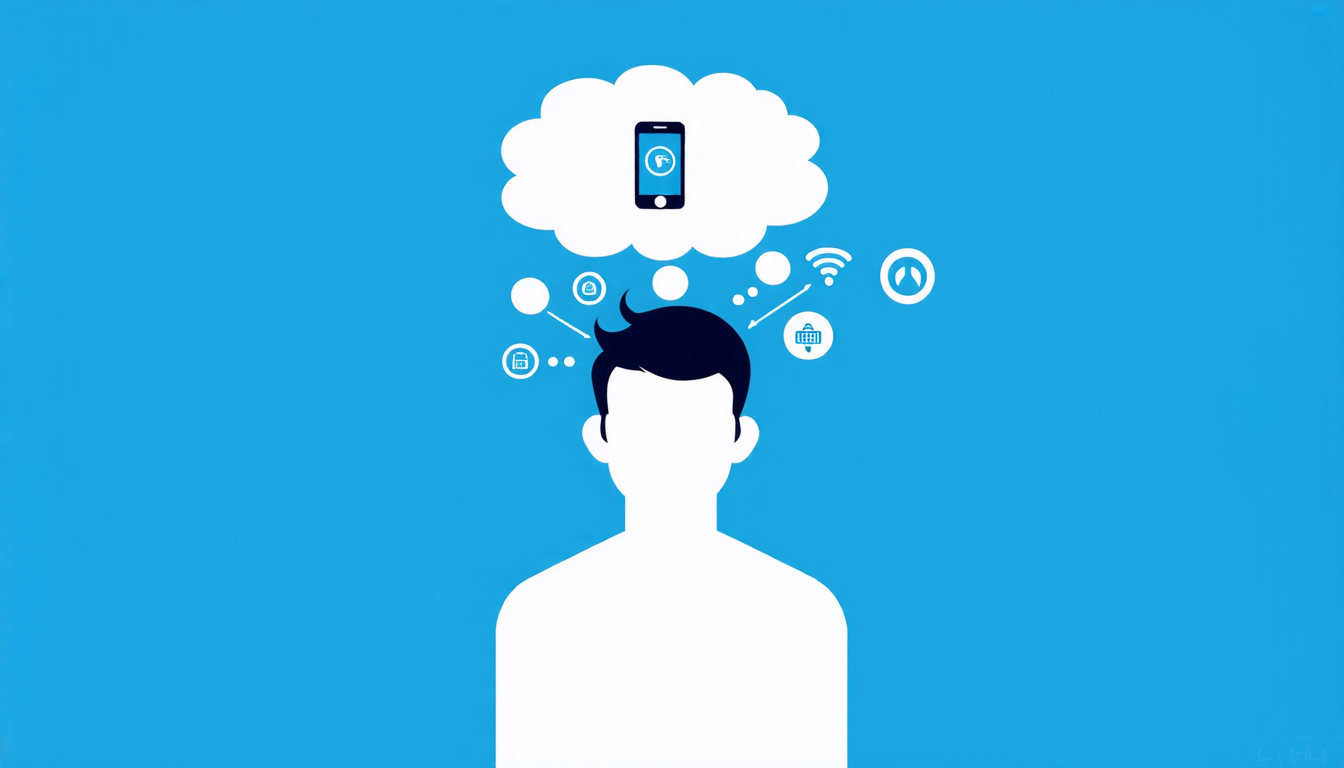
Scientists have made a significant breakthrough in developing a method to predict depression treatment outcomes using data collected from smartphones. This innovative approach uses location sensory data, such as GPS coordinates and Wi-Fi signals, to identify patterns that can indicate how well a person will respond to depression treatment.
Traditionally, predicting treatment outcomes has been a challenging task, relying on self-reported symptoms and clinical assessments. However, this method is often subjective and may not accurately reflect a patient’s mental state. The new approach uses machine learning algorithms to analyze location data, which provides a more objective measure of a person’s daily activities and behaviors.
The researchers used data from over 100 patients who were being treated for depression and collected their smartphone location data over the course of several months. They found that certain patterns in the data, such as changes in mobility and social interaction, were highly correlated with treatment outcomes.
For example, patients who showed increased mobility and social interaction during the first few weeks of treatment were more likely to experience symptom improvement over the next few months. Conversely, those who remained sedentary and isolated were less likely to respond well to treatment.
The study also found that location data collected from smartphones can provide a more accurate picture of depression symptoms than traditional self-reported measures. This is because smartphone data captures subtle changes in behavior and activity patterns that may not be noticeable or reported by the patient themselves.
The implications of this research are significant, as it could lead to more personalized treatment plans for depression patients. By using location data to predict treatment outcomes, healthcare providers can identify which treatments are most effective for individual patients and adjust their care accordingly.
Furthermore, this approach has the potential to improve patient engagement and adherence to treatment regimens. By providing patients with personalized feedback on their progress, healthcare providers can motivate them to make lifestyle changes that support their mental health.
While more research is needed to fully understand the limitations and applications of this technology, the findings suggest a promising new direction in depression treatment. By harnessing the power of smartphone data, researchers may be able to develop more effective and personalized treatments for this debilitating condition.
Cite this article: “Unlocking the Power of Wearable Devices: A Novel Approach to Predicting Depression Treatment Outcomes”, The Science Archive, 2025.
Depression, Smartphone Data, Location Sensing, Machine Learning, Treatment Outcomes, Mental Health, Personalized Medicine, Patient Engagement, Adherence, Predictive Analytics.





