

Wednesday 09 April 2025
A novel approach to extracting material properties from optical data has been developed by a team of scientists. This method, which combines classical optimization frameworks with a multi-scale object detection framework, shows great promise in accurately determining the characteristics of materials.
The traditional model-based approaches used to extract material properties rely on least-squares optimization of a descriptive model. However, these methods can become cumbersome when dealing with complex systems or varied environments. Data-driven approaches, on the other hand, use machine learning techniques to optimize a self-selected model to best describe the given dataset. While effective, data-driven methods are often prone to overfitting and lack physical insight.
The new approach seeks to bridge this gap by incorporating physics into the deep learning framework. The model is designed to autonomously extract optical material properties from transmission spectra within the trained parameter domain. This flexibility makes it suitable for a wide range of applications, including industrial paint layer inspection and material analysis in various environmental conditions.
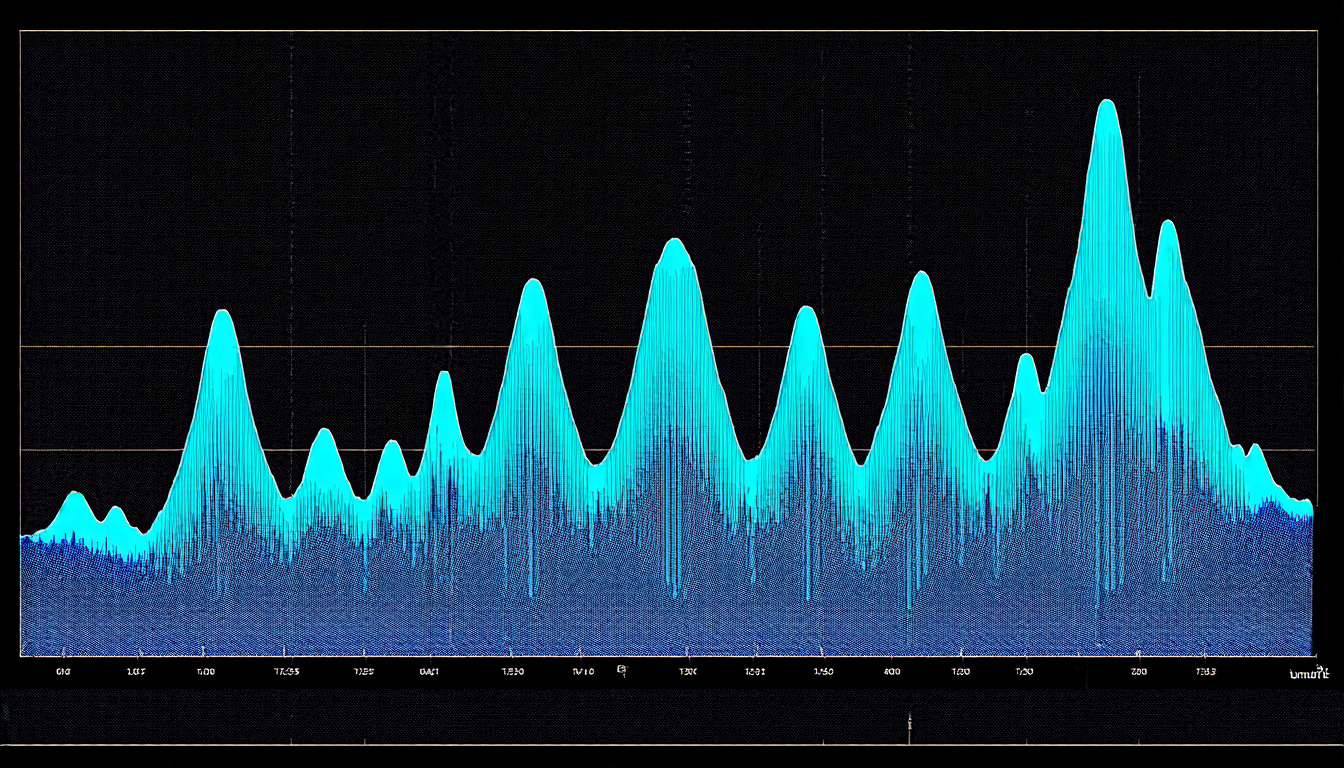
The researchers tested their method using simulated transmission spectra at terahertz and infrared frequencies. They found that the hybrid model was able to accurately extract material properties, even when dealing with complex systems featuring multiple layers and varied shapes. The model’s performance was compared to a purely data-driven approach, which showed greater susceptibility to overfitting.
The incorporation of physics into the deep learning framework appears to have several benefits. Not only does it improve generalization, but it also provides physical insight into the material properties being analyzed. This can be particularly useful in fields where understanding the underlying mechanisms is crucial for making informed decisions.
One potential application of this technology is in the field of materials science, where researchers are constantly seeking new ways to analyze and understand the properties of various materials. By automating the process of extracting material properties from optical data, scientists may be able to accelerate their research and gain a deeper understanding of the underlying physics.
Another area where this technology could have significant implications is in industrial inspection. Traditional methods for inspecting paint layers or other materials can be time-consuming and labor-intensive. A hybrid approach that combines classical optimization with deep learning could provide a more efficient and accurate means of analyzing complex systems.
Overall, this new approach to extracting material properties from optical data represents an important step forward in the field of materials science and has significant potential for real-world applications.
Cite this article: “Physics-Driven AI Unlocks Secrets of Optical Spectroscopy”, The Science Archive, 2025.
Materials Science, Optical Data, Material Properties, Deep Learning, Classical Optimization, Multi-Scale Object Detection, Transmission Spectra, Terahertz Frequencies, Infrared Frequencies, Industrial Inspection.





