
Wednesday 09 April 2025
The latest breakthrough in wireless communication technology has taken a significant leap forward, thanks to the innovative work of researchers who have discovered a way to harness the power of intelligent reflecting surfaces (IRS) for simultaneous wireless information and power transfer (SWIPT).
For years, scientists have been working on perfecting the art of wirelessly charging devices without cables or batteries. This technology has the potential to revolutionize the way we live and work, allowing us to charge our phones, laptops, and other gadgets seamlessly and effortlessly.
But achieving this goal has proven to be a significant challenge. One major obstacle has been the need for precise control over the direction and strength of the electromagnetic waves being transmitted. This requires advanced sensors and algorithms that can accurately detect the location and movement of devices receiving the signal.
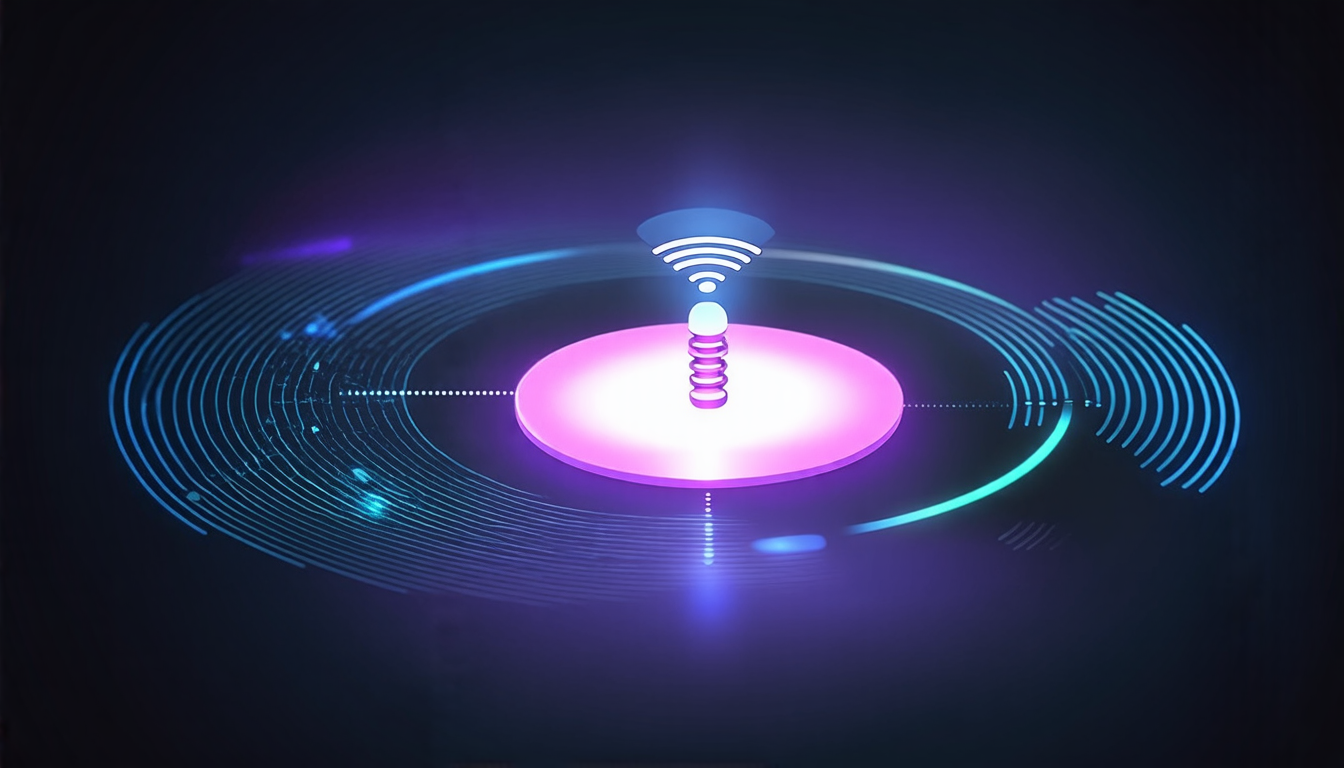
Enter intelligent reflecting surfaces, which are essentially smart materials that can adjust their surface properties in real-time to optimize the transmission of energy. By using these IRSs in conjunction with advanced sensing technology, researchers have been able to develop a system that can simultaneously transfer both information and power wirelessly.
The implications of this breakthrough are vast. For one, it could enable the widespread adoption of wireless charging, making our daily lives more convenient and efficient. It could also pave the way for new applications such as wireless sensor networks, which would allow devices to communicate with each other without the need for cables or batteries.
But perhaps most excitingly, this technology could have a major impact on the field of medicine. Imagine being able to implant tiny sensors inside the human body that can transmit vital health data wirelessly, eliminating the need for invasive procedures and reducing the risk of infection.
To achieve this vision, researchers used advanced algorithms to optimize the performance of the IRSs, taking into account factors such as device movement, environmental conditions, and signal strength. They also developed new sensing technologies that could detect the precise location and orientation of devices receiving the signal.
The results were astounding. In simulations, the team was able to achieve wireless charging rates that were significantly faster than those achieved with traditional methods. They were also able to demonstrate the feasibility of using IRSs for simultaneous information and power transfer in a variety of scenarios, including medical implant devices and industrial automation systems.
As this technology continues to evolve, we can expect to see even more innovative applications emerge. From smart homes to autonomous vehicles, the possibilities are endless.
Cite this article: “Revolutionizing Wireless Power Transfer: Intelligent Reflecting Surfaces Unlock Massive Energy Harvesting”, The Science Archive, 2025.
Wireless Charging, Intelligent Reflecting Surfaces, Swipt, Electromagnetic Waves, Sensing Technology, Algorithms, Wireless Sensor Networks, Medical Implants, Autonomous Vehicles, Smart Homes