

Thursday 10 April 2025
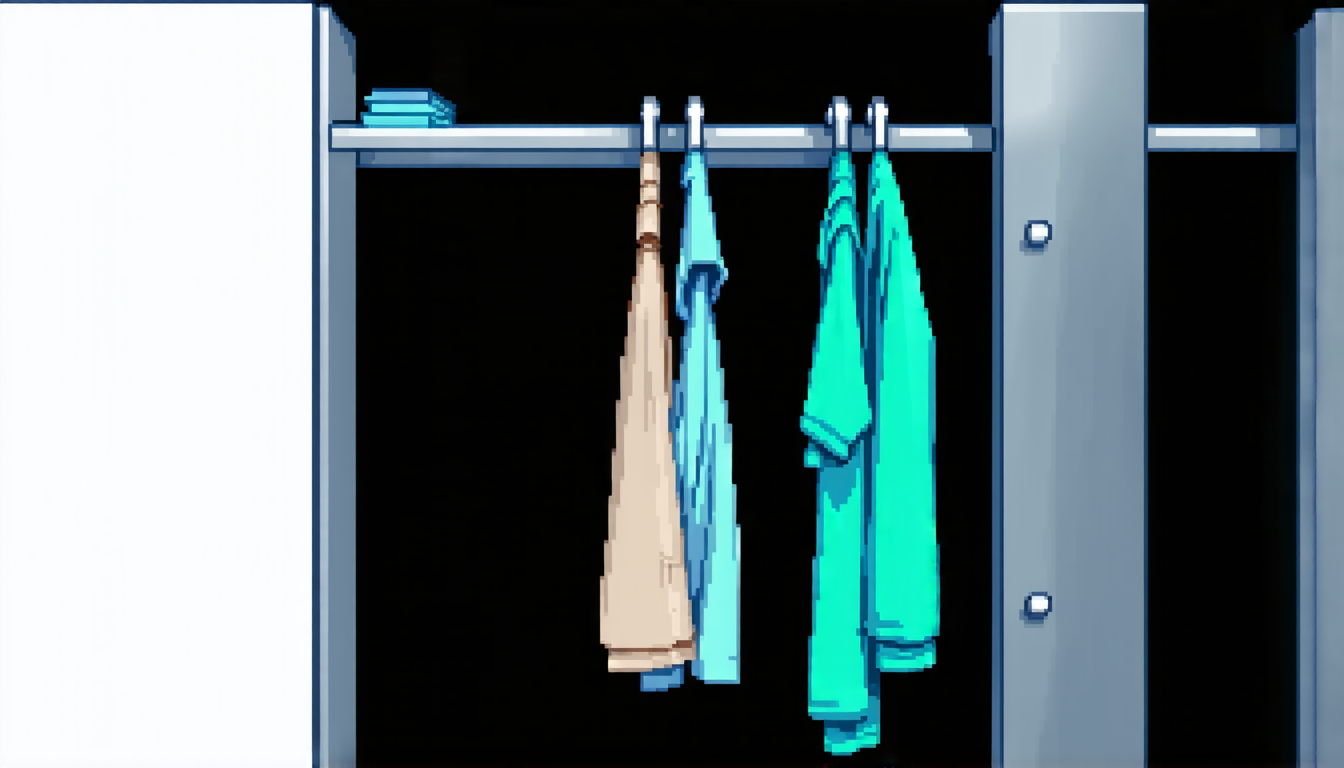
A team of researchers has developed a system that can manipulate cluttered garments, such as clothes hanging in a closet or piled on a bed, without causing them to become even more tangled. The system uses a combination of computer vision and machine learning algorithms to identify the most effective way to retrieve individual garments from the pile.
The approach involves first segmenting the garment into its constituent parts using a technique called point-level visual affordance. This allows the system to analyze the shape, texture, and other properties of each part of the garment, enabling it to predict how it can be manipulated.
Once the system has identified the most effective way to retrieve a particular garment, it uses a robotic arm to perform the action. The arm is equipped with a parallel gripper that is designed to grasp garments without causing them to become tangled or wrinkled.
The researchers tested their system on a variety of scenarios, including clothes hanging in a closet, piled on a bed, and even entangled in a washing machine. In each case, the system was able to successfully retrieve the desired garment without causing any further tangles or wrinkles.
One of the key benefits of this approach is that it can be used in a wide range of situations, from simple tasks such as retrieving a specific shirt from a closet to more complex tasks such as sorting and folding laundry. The system could also potentially be adapted for use in other areas, such as manipulating objects in cluttered environments or even helping people with disabilities to dress themselves.
The researchers used a combination of simulation and real-world testing to develop their system. They created simulations of different scenarios using computer-generated images and then tested their approach on these simulations before moving on to real-world tests. This allowed them to refine their algorithms and adjust the performance of their robotic arm before testing it in actual situations.
In addition to its potential practical applications, this research also has implications for our understanding of how we interact with objects and environments. The system’s ability to analyze and manipulate cluttered garments highlights the importance of considering the relationships between different objects and surfaces when designing systems that interact with the physical world.
The researchers are now exploring ways to further improve their system, including developing more advanced algorithms for segmenting and manipulating garments as well as integrating it with other technologies such as sensors and cameras. As they continue to refine their approach, we can expect to see even more sophisticated and capable robotic systems in the future.
Cite this article: “Unlocking Cluttered Garment Manipulation: A Multi-Modal Approach for Efficient Retrieval and Adaptation”, The Science Archive, 2025.
Robotics, Computer Vision, Machine Learning, Garment Manipulation, Cluttered Environments, Robotic Arm, Parallel Gripper, Simulation Testing, Real-World Testing, Object Recognition





