

Thursday 10 April 2025
Scientists have made a significant breakthrough in developing a new method for diagnosing diabetic retinopathy, a common complication of diabetes that can cause blindness. The innovative approach combines artificial intelligence and graph-based knowledge to provide more accurate and explainable diagnoses.
Diabetic retinopathy is caused by high blood sugar levels damaging the blood vessels in the retina, leading to vision loss or even blindness. Early detection and treatment are crucial for preventing severe damage. However, current methods of detecting diabetic retinopathy often rely on manual interpretation of images, which can be time-consuming and prone to errors.
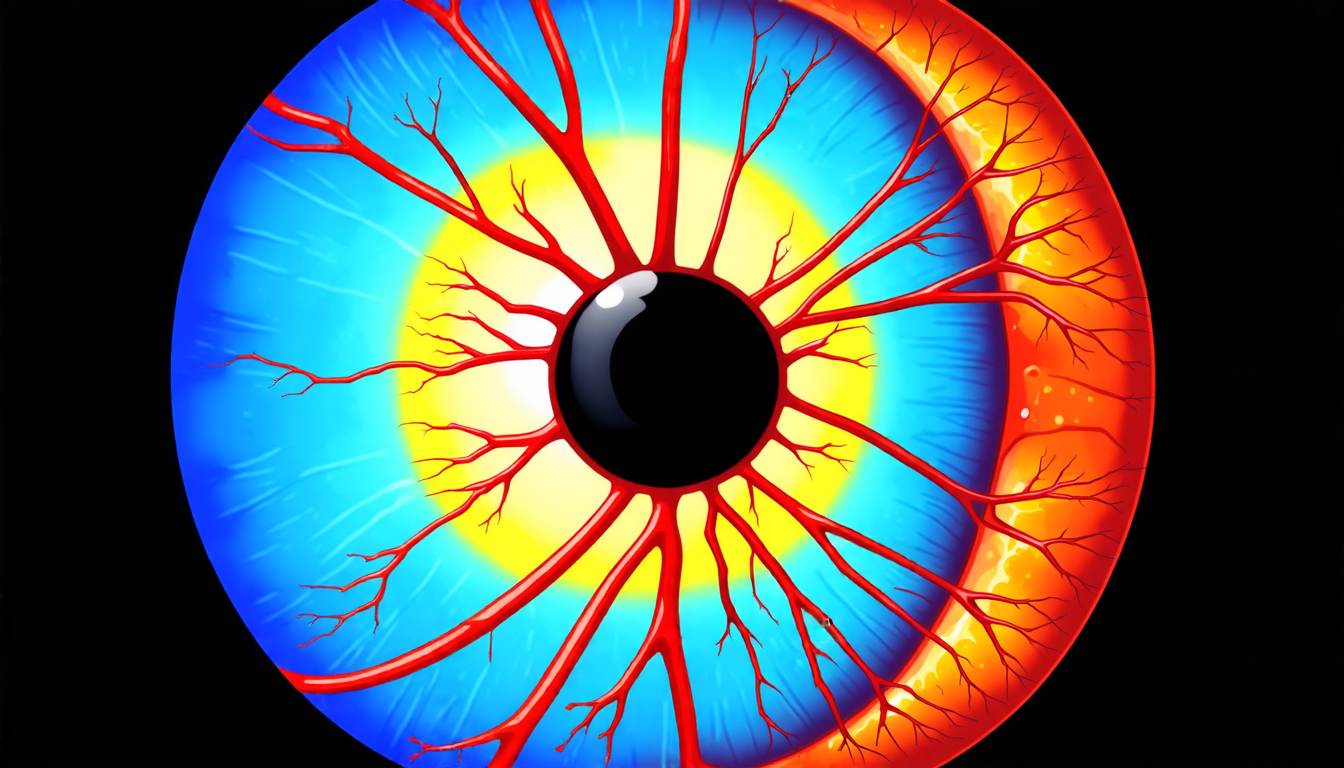
The new method uses optical coherence tomography angiography (OCTA) images to build a graph representation of the retina’s blood vessels. This graph is then analyzed using artificial intelligence algorithms to identify patterns and features that are indicative of diabetic retinopathy. The approach also incorporates integrated gradients, a technique that assigns importance scores to each node and edge in the graph, allowing researchers to understand which specific features of the retina are driving the diagnosis.
One of the key advantages of this method is its ability to provide explanations for the diagnoses it makes. This means that clinicians can gain a deeper understanding of why a patient has been diagnosed with diabetic retinopathy, allowing them to tailor treatment plans more effectively.
The researchers tested their approach on a dataset of OCTA images and found that it outperformed existing methods in terms of accuracy and explainability. The method was also able to identify specific features of the retina that were indicative of diabetic retinopathy, such as changes in blood vessel diameter and density.
This breakthrough has significant implications for the diagnosis and treatment of diabetic retinopathy. With the ability to provide accurate and explainable diagnoses, clinicians will be better equipped to develop effective treatment plans and improve patient outcomes. The approach also highlights the potential of graph-based knowledge to enhance the performance of artificial intelligence algorithms in medical imaging tasks.
In addition to its applications in diabetic retinopathy, this method could also be applied to other medical conditions that involve complex patterns in medical images, such as cancer diagnosis or cardiovascular disease detection. As medical imaging technology continues to advance, the potential for graph-based knowledge and artificial intelligence to transform healthcare is vast.
Cite this article: “Unlocking the Power of Graph-Based Knowledge in Vision-Language Models for Diabetic Retinopathy Diagnosis”, The Science Archive, 2025.
Diabetic Retinopathy, Artificial Intelligence, Graph-Based Knowledge, Optical Coherence Tomography Angiography, Octa Images, Medical Imaging, Diabetic Complications, Blindness Prevention, Explainable Diagnoses, Ai Algorithms





