

Thursday 10 April 2025
As we increasingly rely on machine learning models to make decisions, there’s a growing concern about their potential biases and vulnerabilities. One approach that aims to address these issues is decentralized machine learning (DML), which involves training AI systems on data from multiple sources without centralising it.
The idea of DML may seem counterintuitive – after all, isn’t the goal of machine learning to gather as much data as possible? However, when data is shared across different locations and devices, it can be vulnerable to hacking, tampering or exploitation. By keeping data local, DML aims to reduce this risk while also promoting fairness and transparency.
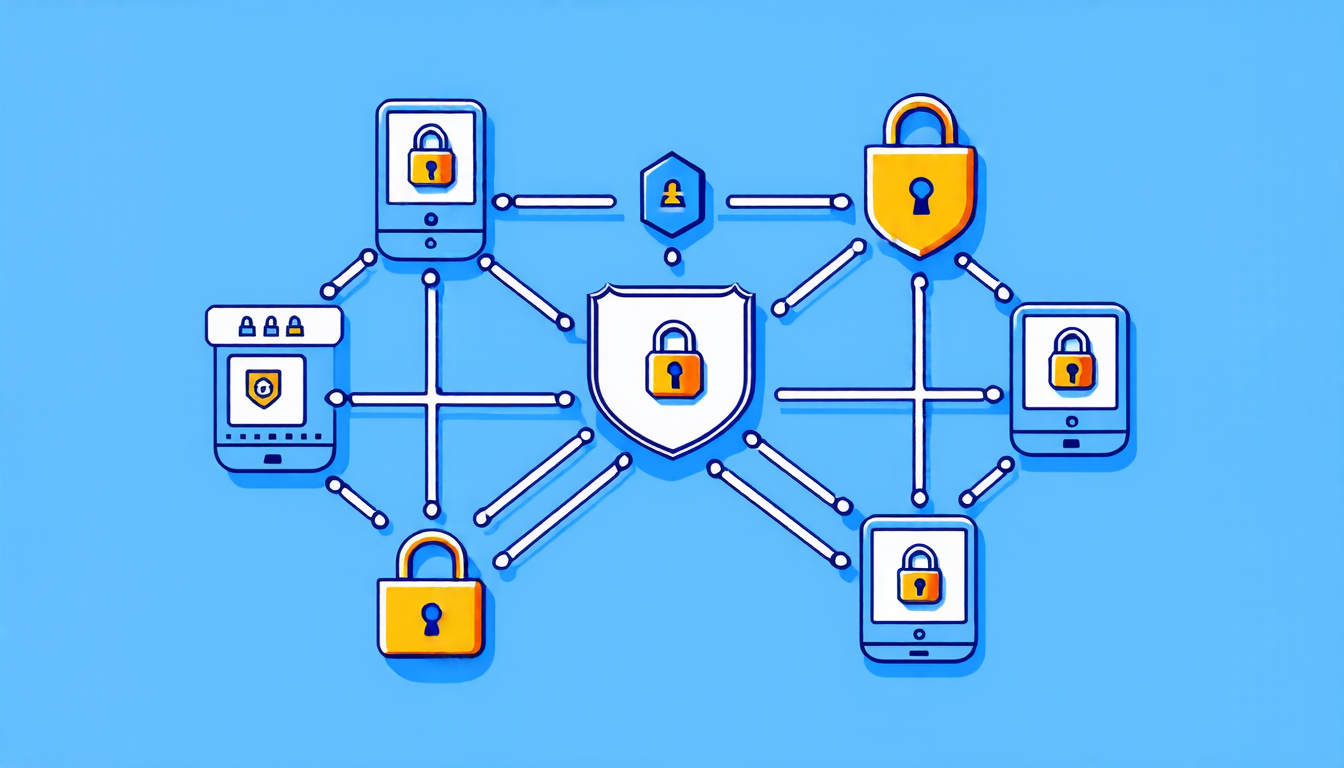
One key technique used in DML is federated learning, which allows multiple devices or parties to collaborate on training a model without sharing their individual data. This approach has already shown promising results in areas such as healthcare and finance, where sensitive information needs to be protected.
However, there are still significant challenges to overcome. For instance, ensuring that all participating devices have the same level of computational power can be difficult, which may lead to biases in the trained model. Additionally, developing robust algorithms that can handle the complexities of decentralized data is a major hurdle.
Despite these obstacles, researchers are making progress. They’re exploring new methods such as over-the-air computation, which enables devices to perform calculations on their own data without sharing it with others. This approach has the potential to greatly reduce the amount of data that needs to be shared, thereby improving security and privacy.
Another area of focus is zero-trust architectures, which involve assuming that all devices and users are potential threats. By implementing strict access controls and continuous monitoring, these systems can help detect and respond to anomalies in real-time.
As DML continues to evolve, it’s likely to have a significant impact on various industries. For instance, healthcare providers may use decentralized AI models to develop personalized treatments for patients without compromising their privacy. Similarly, financial institutions could leverage DML to create more secure and transparent systems for processing transactions.
While there are still many challenges to overcome, the potential benefits of decentralized machine learning make it an exciting area of research. By combining cutting-edge technology with a focus on security, fairness and transparency, we may be able to build AI systems that truly benefit society as a whole.
Cite this article: “Decentralized Machine Learning: A Comprehensive Review on Understanding Collaborative and Distributed Approaches”, The Science Archive, 2025.
Machine Learning, Decentralized, Artificial Intelligence, Data Sharing, Federated Learning, Over-The-Air Computation, Zero-Trust Architectures, Security, Privacy, Fairness, Transparency.





