

Thursday 10 April 2025
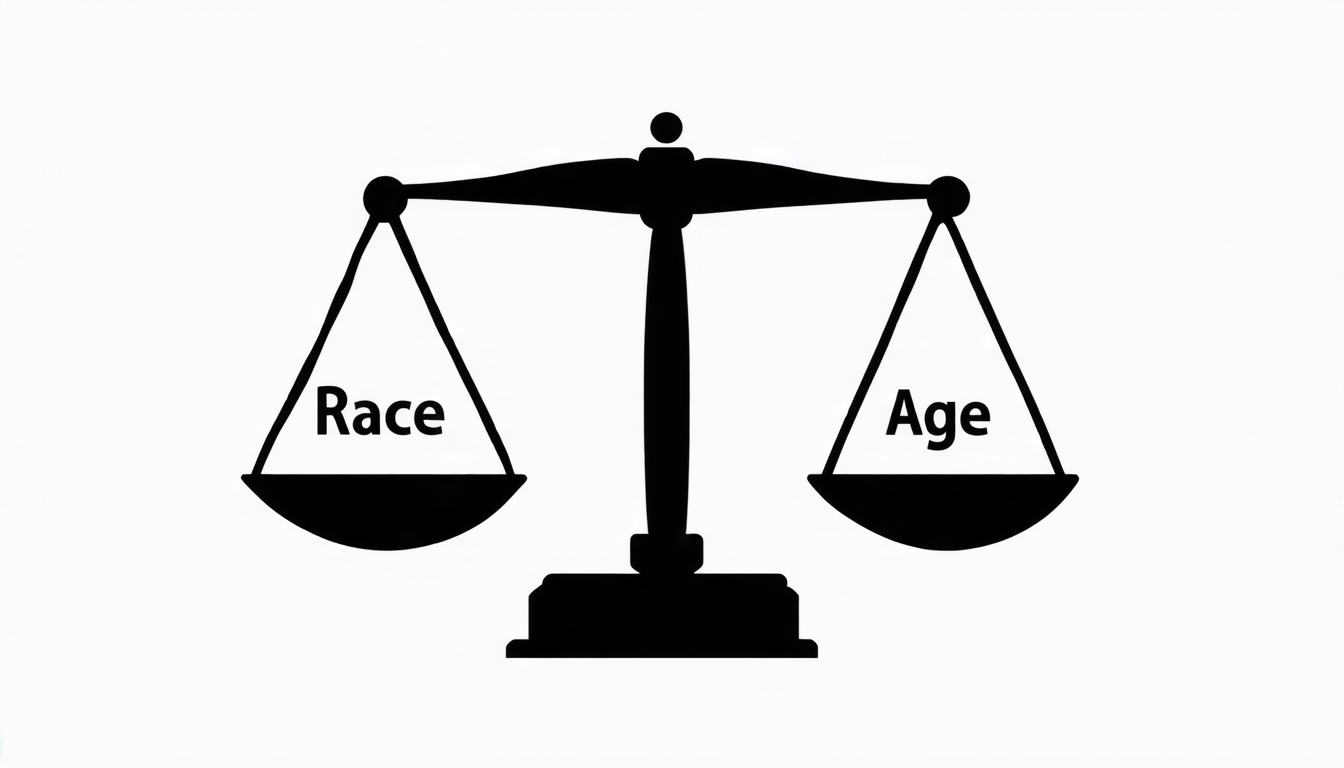
A new tool has been developed to help ensure that artificial intelligence (AI) systems are fair and unbiased, even when dealing with multiple sensitive attributes such as race, gender, and age.
The problem of bias in AI is well-documented. Algorithms can perpetuate existing biases if they’re trained on data that reflects societal inequalities, leading to unfair outcomes for individuals or groups. For example, an algorithm used to assess creditworthiness may be biased against certain racial or ethnic groups, denying them access to loans or other financial services.
To address this issue, researchers have developed a range of techniques aimed at reducing bias in AI systems. These include fairness-aware machine learning algorithms that incorporate additional constraints into the training process to ensure fair outcomes, and post-processing methods that adjust the output of an algorithm to make it more equitable.
Now, a team of scientists has introduced a new approach that takes a different tack. Instead of focusing on individual attributes or specific biases, their method tackles fairness in AI by considering multiple sensitive attributes simultaneously. This is particularly important in situations where there are complex interactions between different factors, such as race and gender, which can affect the outcome of an algorithm.
The researchers have developed a Python package called EquiPy that implements this new approach. It uses optimal transport theory to combine the predictions from multiple AI models, each trained on a specific sensitive attribute, into a single fair output.
One of the key advantages of EquiPy is its ability to handle multiple sensitive attributes in a flexible and interpretable way. This means that users can easily visualize the contribution of each attribute to the overall unfairness metric, allowing them to identify areas where bias may be most prevalent.
The package has been tested on real-world data sets, including a census dataset used to illustrate the impact of fairness in AI. The results show that EquiPy is able to effectively reduce bias and improve fairness across multiple sensitive attributes.
While there is still much work to be done to ensure that AI systems are truly fair and unbiased, the development of tools like EquiPy represents an important step forward. As AI continues to play an increasingly large role in our lives, it’s essential that we develop methods to prevent bias and promote fairness in these systems.
Cite this article: “Fairness in Machine Learning: A Sequential Approach Using Optimal Transport”, The Science Archive, 2025.
Artificial Intelligence, Bias, Fairness, Machine Learning, Algorithms, Equality, Python Package, Optimal Transport Theory, Sensitive Attributes, Unbiased





