

Thursday 10 April 2025
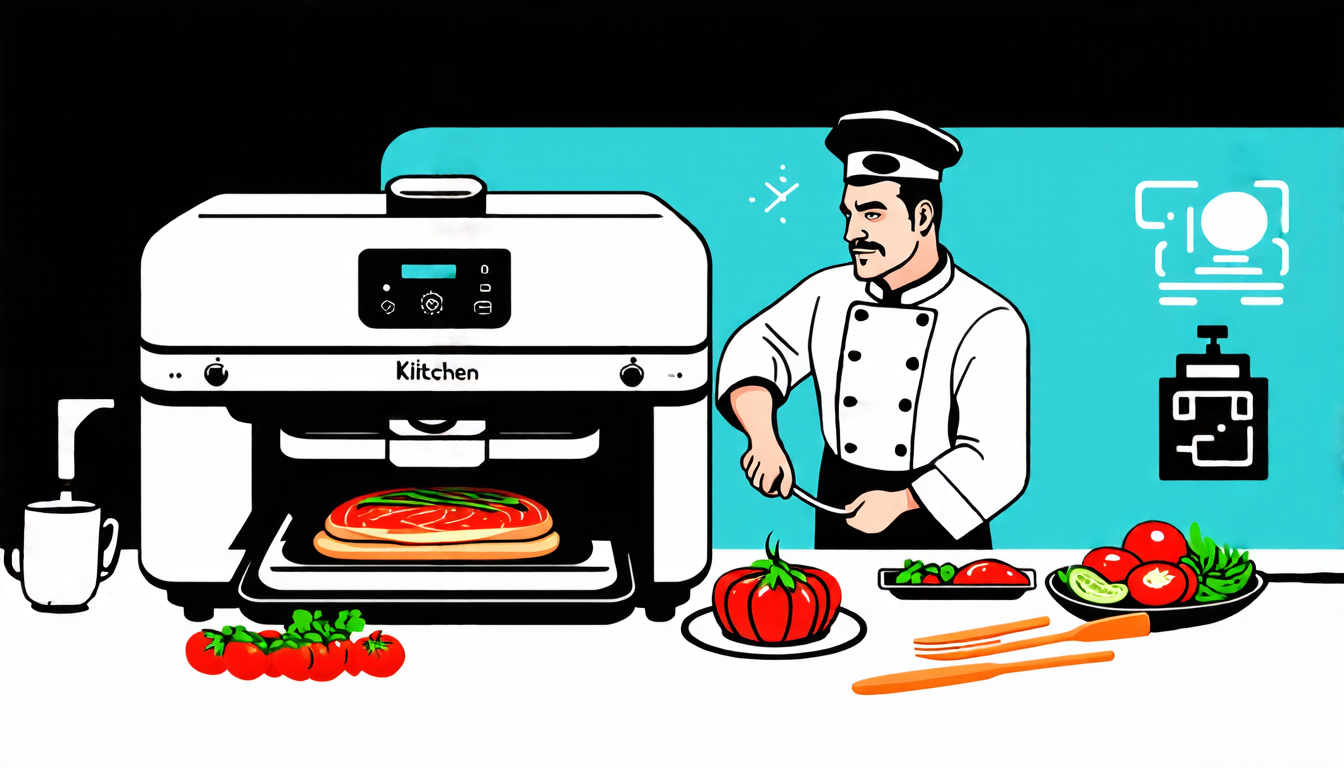
As we continue to push the boundaries of food technology, a new innovation is emerging: mobile food printing. This concept combines the precision of 3D printing with the flexibility of mobility, allowing chefs and restaurants to create complex dishes on demand.
The study explores how this technology can be integrated into professional kitchens, where space efficiency is crucial. By designing a printer that can move around the kitchen, chefs can optimize their workflow and reduce labor costs. The device’s detachable design also allows it to be easily stored when not in use, making it an ideal solution for busy restaurants.
One of the key benefits of mobile food printing is its ability to streamline workflows. Chefs are no longer limited by the constraints of a fixed printer location, allowing them to create complex dishes with ease. This technology can also reduce errors and improve consistency, as chefs can precisely control the output of each dish.
But what about the diner’s experience? Mobile food printing has the potential to revolutionize the way we interact with food. By incorporating interactive elements, such as augmented reality displays, diners can engage with their meals in new and innovative ways. Imagine being able to see the intricate details of a chef’s creation, or even influence the cooking process itself.
The study also touches on the environmental impact of this technology. With the ability to create complex dishes from scratch, restaurants may be able to reduce food waste and minimize packaging. This could lead to a more sustainable future for the culinary industry.
However, there are still challenges to overcome before mobile food printing becomes a reality. The device’s mobility and storage capabilities will need to be refined, as well as its ability to integrate with existing kitchen equipment. Additionally, chefs will need to adapt their techniques and recipes to take advantage of this new technology.
Despite these hurdles, the potential benefits of mobile food printing are undeniable. As the culinary industry continues to evolve, we can expect to see more innovative solutions like this emerge. With its combination of precision, flexibility, and sustainability, mobile food printing has the potential to revolutionize the way we eat and interact with food.
Cite this article: “Revolutionizing Restaurant Robotics: The Future of Food Printing in High-Tech Kitchens”, The Science Archive, 2025.
Food Technology, 3D Printing, Mobile Food Printing, Professional Kitchens, Space Efficiency, Workflow Optimization, Labor Costs, Augmented Reality, Sustainable Future, Culinary Industry





