

Thursday 10 April 2025
Scientists have made a significant discovery in the field of superconductivity, a phenomenon where certain materials can conduct electricity with zero resistance at very low temperatures. In a recent study, researchers used light to drive a superconductor out of equilibrium, creating a novel state that exhibits multiple hysteresis behaviors.
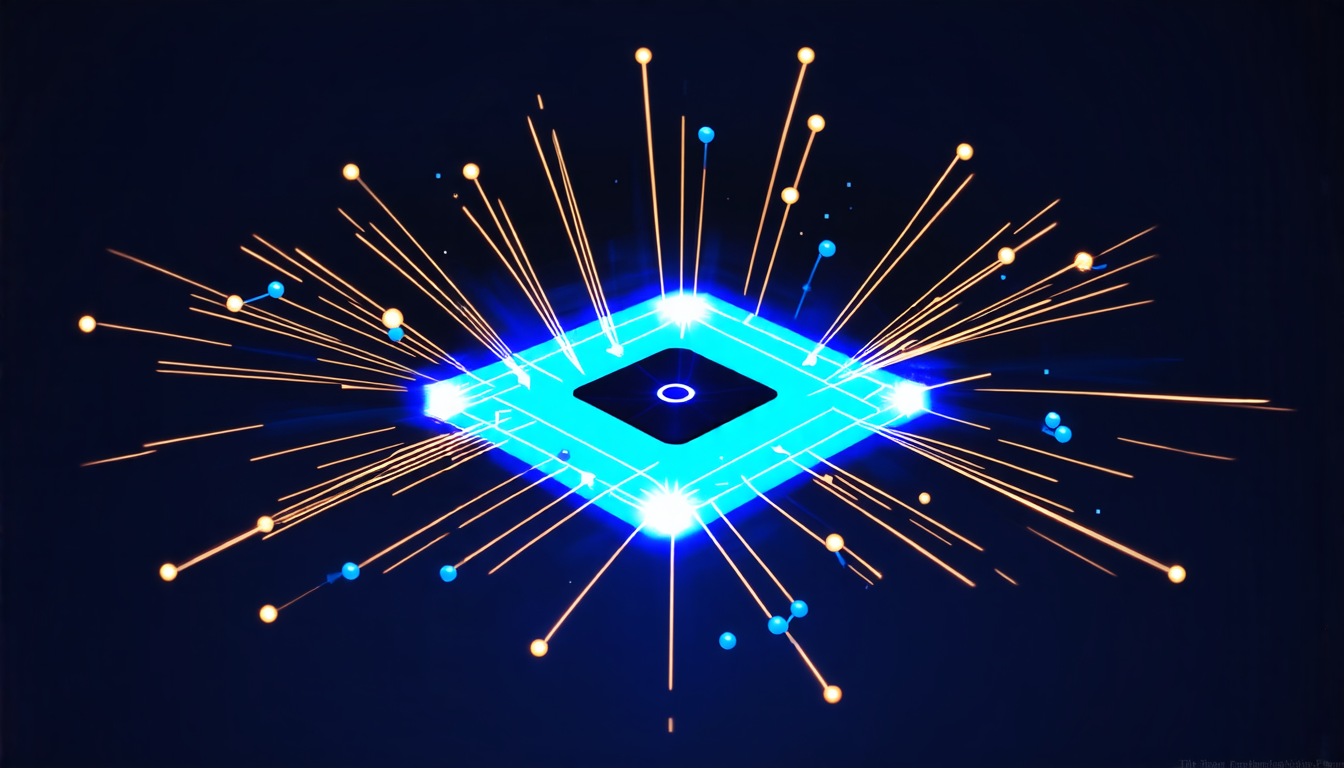
Superconductors are typically studied in their ground state, meaning they are at absolute zero temperature and in thermal equilibrium. However, this new approach allowed scientists to explore the behavior of superconductors when driven out of equilibrium by light. This was achieved by shining intense pulses of light on a sample of superconducting material, causing it to oscillate between different energy states.
The researchers found that as they increased the intensity of the light, the superconductor’s ability to conduct electricity with zero resistance decreased, but then suddenly increased again when the light was turned off. This behavior is known as hysteresis, and it is typically seen in magnetic materials. The fact that it appears in a superconductor is significant because it suggests that the material’s energy levels are being manipulated by the light.
The study also revealed that the superconductor’s behavior changed depending on the frequency of the light used to drive it out of equilibrium. When the light was at a higher frequency, the superconductor exhibited more pronounced hysteresis behaviors. This could have important implications for the development of new technologies that rely on superconductors.
One potential application of this research is in the field of quantum computing. Superconducting materials are already used in some quantum computing devices, but they can be prone to errors due to fluctuations in their energy levels. By driving these materials out of equilibrium using light, scientists may be able to create more stable and reliable quantum computers.
The discovery also has implications for our understanding of the behavior of superconductors at the atomic level. By studying how light affects a superconductor’s energy levels, researchers can gain insights into the intricate dance between electrons and phonons (quantized sound waves) that occurs within these materials.
The study is an important step forward in our understanding of superconductivity and its potential applications. As scientists continue to explore the properties of these materials, we may uncover even more surprising behaviors and new ways to harness their power.
Cite this article: “Light-Induced Quantum Synchronization in Superconductors”, The Science Archive, 2025.
Superconductivity, Equilibrium, Light, Hysteresis, Energy Levels, Quantum Computing, Atomic Level, Phonons, Electrons, Superconductor





