

Wednesday 16 April 2025
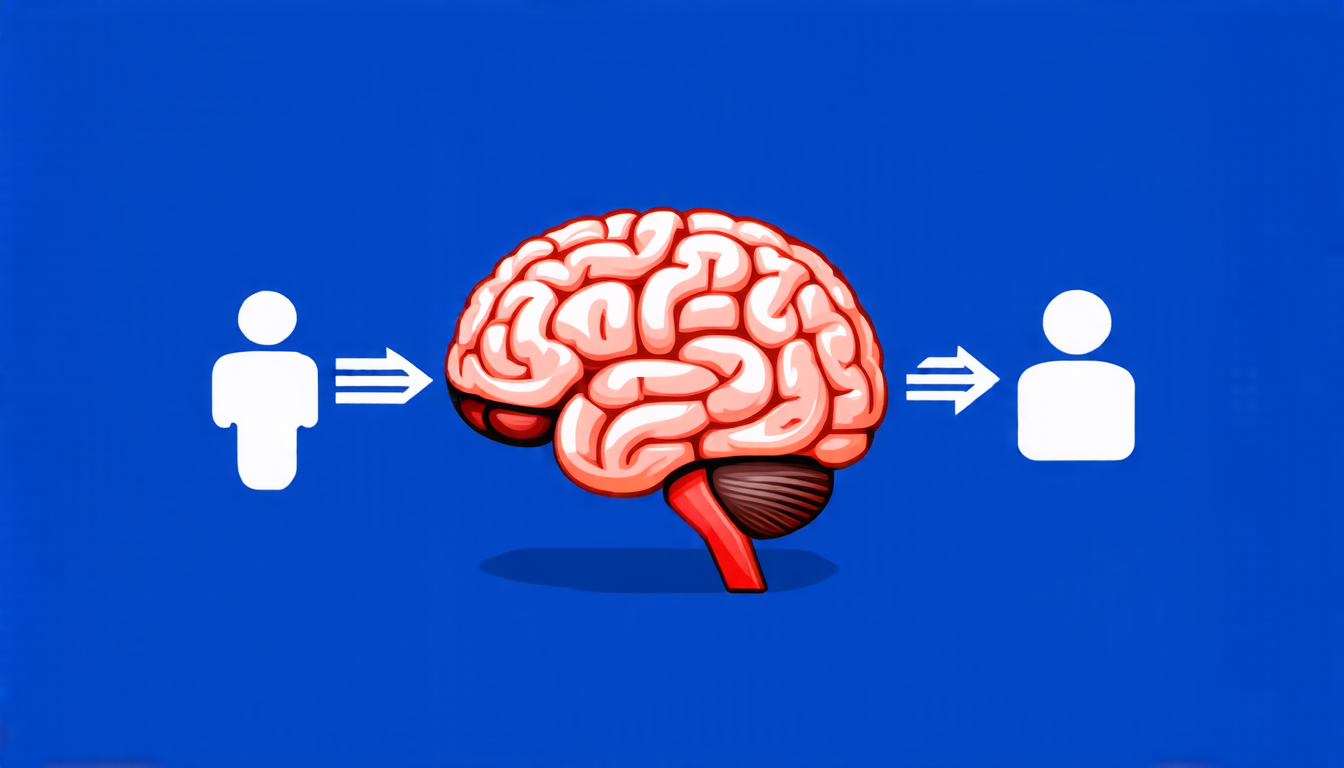
The quest for machine unlearning, a concept that sounds like science fiction but is slowly becoming a reality. In recent years, researchers have been working tirelessly to develop methods that allow machines to forget specific data or knowledge they’ve learned from us. This may seem counterintuitive at first, but think about it: what if you could delete your personal data from an AI system without having to retrain the entire model? The implications are staggering.
The challenge lies in making these systems forget without compromising their overall performance. After all, machines learn by identifying patterns and relationships between different pieces of data. When we ask them to forget certain information, they need to adapt and relearn without losing that knowledge. It’s like trying to erase a memory from your brain while keeping the rest intact.
One approach is to use fine-tuning, where the system updates its parameters based on new data or targets. This method has shown promising results in specific scenarios, but it can be computationally expensive and may not work well with complex models. Another approach is gradient-based unlearning, which involves modifying the gradients used during training to selectively remove certain information.
Researchers have also explored modular updates, where the system breaks down its knowledge into smaller components and updates each module separately. This allows for more targeted forgetting without affecting the overall performance of the model. However, it requires careful design and tuning to ensure that the modules interact correctly with each other.
The authors of this study have taken a different approach by proposing a combination of fine-tuning and gradient-based unlearning. They’ve developed an algorithm that adaptively adjusts the gradients used during training to selectively remove certain information while preserving the rest. The results are impressive, showing that their method can effectively forget specific data without compromising the overall performance of the model.
The implications of machine unlearning are far-reaching. For one, it could revolutionize the way we approach data privacy and security. No longer would we have to worry about our personal data being stored forever in some AI system’s memory. We could ask them to forget, and they would comply without compromising their performance.
Machine unlearning could also enable new applications in areas like healthcare and finance. Imagine being able to delete sensitive medical information from an AI-powered diagnosis system or erase financial transactions from a predictive modeling algorithm. The possibilities are endless.
Of course, there are still many challenges to overcome before machine unlearning becomes a reality.
Cite this article: “Federated Machine Unlearning: A Critical Evaluation of Methods and Challenges”, The Science Archive, 2025.
Machine, Unlearning, Ai, Data, Privacy, Security, Fine-Tuning, Gradient-Based, Modular, Updates





